- Key Takeaways
- Social Life
- Work Experience
- Travel Opportunities
- Extracurricular Clubs
- University Facilities
- Use Your Student Window Deliberately
- Build Experience Before You Need It
- Use Mobility to Expand Perspective
- Join and Lead Where Stakes Are Real
- Squeeze Institutional Resources
- Turn Activity Into Transferable Proof
- Next Steps
- Final Words
We may earn a commission if you click on a product link and make a purchase at no additional cost to you. For more information, please see our disclosure policy.
Last updated: October 19, 2025

Key Takeaways
- Use the Student Window: Fewer obligations create rare freedom to explore interests, build relationships, and test skills. Treat this time deliberately to compound experiences into long-term career advantages.
- Build Experience Early: Combine coursework with internships, part-time roles, research, and campus leadership. Deliver measurable outcomes and gather references to demonstrate applied judgment beyond grades.
- Lead Beyond Class: Join clubs, the student government, or competitive teams. Own end-to-end deliverables, track metrics, and convert responsibilities into credible stories that mirror real workplace expectations.
- Expand Through Mobility: Consider a study abroad or a placement year. Prioritize credit transfer, funding, housing, and safety to gain perspective and adaptability that employers consistently value.
- Turn Work Into Proof: Archive artifacts monthly, record baselines and decisions, and assemble a concise public portfolio. Make achievements visible, verifiable, and easy for reviewers to scan.
You will never have a window quite like your student years. Fewer obligations mean more freedom to explore, learn, and build experiences that compound into future opportunities. Use this time deliberately: test interests at college, gather evidence of impact, and grow relationships that support your next steps.
Social Life
Education matters, but your network and well-being do too. There is much more to college or university than academics. Join activities that align with your interests, invest in friendships, and practice balance. Collaborative projects, volunteering, and peer leadership build communication skills, reduce stress, and create stories employers value.

Making the Most of Study Abroad prepares students for a successful study abroad experience.

Work Experience
Grades alone rarely secure interviews. Combine coursework with practical roles—internships, part-time jobs, research assistantships, or campus leadership. Treat each role as a chance to learn tools, deliver outcomes, and gather references. For context on launching a search, see what you need to know before starting your job search.
Travel Opportunities
Study abroad and short placements expand perspective and adaptability. Compare programs for credit transfer, funding, housing, and safety. Many universities offer semester exchanges or a placement year that blends academic credit with work experience. Explore a placement year overview to plan timelines, costs, and eligibility.
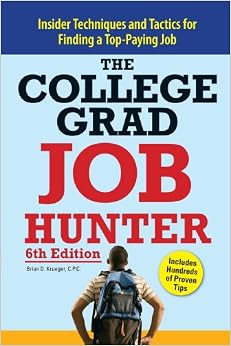
The College Grad Job Hunter, Sixth Edition, offers hundreds of proven techniques for standing out from the crowd of recent graduates looking for their first job.
Extracurricular Clubs
Use clubs and societies to test leadership and new skills. Run for a student office, compete on a team, or join creative groups like filmmaking or debate. Attend the freshers fair, review the student-union directory, and sample meetings before committing. Track contributions and results so you can showcase measurable achievements later.
University Facilities
Make the most of on-campus resources while student pricing applies. Visit career services, tutoring centers, makerspaces, and libraries. Maintain health with the gym and wellness programs, and manage finances on a budget using tools like Quicken. Small, consistent habits here pay dividends after graduation.
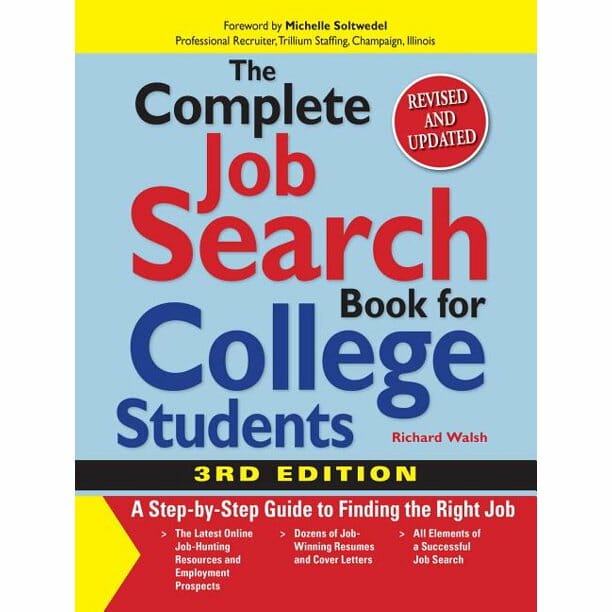
Using step-by-step, easy-to-follow techniques, The Complete Job Search Book for College Students, shows you all the essential aspects of a successful job-search campaign
Use Your Student Window Deliberately
Your student years are uniquely flexible: few fixed obligations, abundant access to structured opportunities, and social density that makes it easy to build relationships. Treat this as a high-leverage phase to test interests, accumulate evidence of competence, and take measured risks while the downside is still low. The habits you install now — structured practice, deliberate reflection, and diversified exposure — compound into future advantages when competition intensifies after graduation.
Build Experience Before You Need It
Employers consistently favor applicants who can show applied judgment, not only academic proficiency. You can create that advantage while still in school by seeking work that forces you to translate intent into output, respond to stakeholders, and close feedback loops. The actions below create a credible experience even when you lack formal time in the field:
- Intern Early: Target short, scoped roles to build timeline discipline and stakeholder exposure; small cycles beat waiting for a perfect placement.
- Shadow With Intent: Observe high performers and reverse-map their decisions into reusable checklists or micro-plays you can deploy in your own work.
- Ship Small Wins: Treat campus roles or client projects as experiments; log baselines, interventions, and deltas so learning is auditable.
- Find Internships: Scan structured programs through NACE internships and reverse-engineer their stated criteria into your prep plan.

Discover the seminal book on turning your internship experience into a career-building launchpad for your future. Author Eric Woodard, who got his start as a star intern in the White House, has mentored hundreds of interns as they transition in their careers to something bigger and better.
Use Mobility to Expand Perspective
Mobility broadens the frame in which you make decisions. Exposure to different institutions, cultures, and constraint sets improves judgment and reduces local blind spots. Study abroad, placement years, and short residencies are especially valuable when they include accountable work. Prioritize options that preserve credit transfer, maintain financial viability, and create evidence you can later surface in applications or interviews.
Join and Lead Where Stakes Are Real
Extracurricular systems compress access to leadership, budget, and persuasion tasks that are harder to obtain later. When you opt into student media, competitions, or governance, you inherit real deliverables, real deadlines, and reputational risk — exactly the ingredients that generate credible stories. Approach clubs and roles as operating labs, not entertainment:
- Pick With Intent: Join groups that create outputs (publishing, events, policy) rather than purely social consumption.
- Run a Cycle: Own one deliverable end-to-end to prove you can plan, staff, execute, and close loops under constraints.
- Instrument Work: Track attendance, conversion, or yield so results are legible and comparable outside your campus context.
- Map to Roles: Browse a placement year overview and align your club work to downstream role expectations.

In Landing Internships and Your First Job, Jerome Wong, founder of Real World Experts, shares insights from working in the technology and global finance industries for over twenty-five years. From Silicon Valley to Wall Street
Squeeze Institutional Resources
Universities bundle coaching, tooling, space, data, and discounts that are rarely as cheap or integrated later. Treat career services as a calibration partner, makerspaces as prototyping accelerators, and libraries as paid access to information you won’t retain post-graduation. Capture value intentionally: schedule office hours, request draft reviews in advance of deadlines, and exhaust free or subsidized licenses before they expire at graduation.
Turn Activity Into Transferable Proof
Activity only converts to advantage when the evidence is visible, verifiable, and interpretable by outsiders under time pressure. Build artifacts while the work is fresh and the numbers are retrievable. Use a lightweight cadence — monthly archival — to prevent loss of detail and narrative drift. The moves below convert raw effort into portable proof:
- Snapshot Baselines: Record before/after states so improvements are attributable and falsifiable.
- Annotate Decisions: Keep short notes explaining why you chose an approach; this yields richer interview stories later.
- Bundle Artifacts: Export slides, briefs, and dashboards into a single folder so reviewers see the scope without digging.
- Build a Portfolio: Assemble a public case set using a neutral tool like Canva portfolios so evidence is one-click visible.

From building your college experience to the job search to landing a job, Career Coach Kristin Shopp helps the college student navigate the job search process and set themselves up for professional success.
Next Steps
- Clarify Priorities: Choose a primary track—internships, clubs, study abroad, or research—set quarterly goals, and block weekly hours to ensure progress without sacrificing academics.
- Schedule Experience: Apply to internships and campus roles using a tracker; submit two quality applications weekly, request feedback, and adjust materials based on interview responses.
- Join and Lead: Attend the activities fair, sample two clubs, then commit to one deliverable you own end-to-end; measure attendance, budget, or outcomes to show impact.
- Leverage Facilities: Book career services for resume and mock interviews, reserve makerspace or labs for projects, and schedule monthly library database sessions to strengthen assignments and artifacts.
- Capture Proof: Build a living portfolio with artifacts, before-and-after metrics, short reflections, and micro-testimonials from supervisors; review and update it at the end of each month.
Final Words
Your student years are a uniquely flexible runway for testing interests, building credibility, and forming relationships that open doors later. Momentum comes from consistent small actions: targeted applications, measurable club contributions, and intentional use of campus resources. Treat each experience as a chance to learn, deliver, and document outcomes others can verify quickly. Balance curiosity with structure so you keep exploring while accumulating evidence of value. Over time, those habits compound into clearer direction, stronger recommendations, and opportunities that align with your goals.

The first definitive guide to building the experience, skills, and confidence you need before starting your first major job search

Mark Fiebert is a former finance executive who hired and managed dozens of professionals during his 30-plus-year career. He now shares expert job search, resume, and career advice on CareerAlley.com.