- Key Takeaways
- Changing Careers Without Starting Over
- Start With Your Financial Runway
- Research the Work, Not Just the Idea
- Identify Transferable Skills and Real Gaps
- Test the New Path Before You Quit
- Build Proof, Not Just Hope
- Rework
Your Resume , LinkedIn, and Interview Story - Additional Resources
- Further Guidance & Tools
- Next Steps
- Final Words
We may earn a commission if you click on a product link and make a purchase at no additional cost to you. For more information, please see our disclosure policy.
Last updated: April 8, 2026

By Mark Fiebert
Key Takeaways
- Know the tradeoff: A career change works best when you understand the likely short-term impact on income, title, and learning curve before you resign.
- Research beyond
job boards : Compare daily responsibilities, skill requirements, hiring patterns, and advancement paths so you do not chase a role that only sounds appealing. - Translate your experience: Employers respond to clear proof that your past work solves current business problems, even when your prior title came from another field.
- Test before leaping: Job shadowing, contract work, classes, and portfolio projects help you validate interest and reduce the risk of a bad pivot.
- Tell a focused story: Your resume, LinkedIn profile, and interviews should present a deliberate move, not a random escape from your current job.
Changing Careers Without Starting Over
A career pivot can be a smart move, but it should be treated like a business decision, not a mood. If you are serious about leaving your current field, the goal is not simply to quit. The goal is to move into something that fits your strengths, interests, and long-term earning potential. There is no reason to be afraid of switching your
That is why the best career changers do more than browse job listings. They validate the target role, map their transferable skills, fill the most important gaps, and position themselves clearly for hiring managers. The advice below will help you avoid common mistakes while building a transition plan that is practical, credible, and realistic. You can also review tips on how you can switch your career if you want another perspective on the process.

This book provides insights into the psychology of change, and offers strategies for making successful transitions.

Start With Your Financial Runway
Before you make a move, know exactly how much flexibility you have. Some career switches lead to a temporary pay cut, a lower title, or a slower hiring timeline. That does not make the move wrong, but it does mean you need a plan. Review your income, savings, recurring expenses, debt, and how long you could comfortably operate if the transition takes longer than expected.
A smart pivot usually starts while you are still employed. That gives you time to build skills, test your interest, and avoid forcing yourself into the first offer out of panic. If your target field is competitive, take more time to prepare rather than assuming enthusiasm alone will carry you through.
Research the Work, Not Just the Idea
Many people are attracted to a career label without understanding the actual work. A new field may sound exciting until you look closely at the daily tasks, technology, client demands, performance expectations, and compensation structure. Study live job postings, compare required qualifications, and talk to people already doing the work. If the role still appeals to you after that, you are probably looking at a real fit rather than a fantasy.
This is also where you should identify the difference between “nice to have” and “must have” skills. In some fields, employers care more about proof of ability than formal credentials. In others, licenses, certifications, or industry-specific experience matter a great deal. Resources like make the switch with more confidence when you understand the market before you act.

Cyezcor Video Conference Lighting Kit, Ring Light for Monitor Clip On,for Remote Working, Distance Learning,Zoom Call, Self Broadcasting and Live Streaming, Computer Laptop Video Conferen...
Identify Transferable Skills and Real Gaps
One of the biggest mistakes career changers make is assuming they are either fully qualified or completely unqualified. Usually, the truth is in the middle. Your communication, project management, problem-solving, customer experience, leadership, sales, analysis, or operational skills may already transfer. What changes is the language you use to describe them.
Write down the top requirements from your target roles and compare them against the work you have already done. Then separate your development plan into three buckets:
- Skills you already have: These need better framing on
your resume and LinkedIn profile. - Skills you can build quickly: These may come from a short course, certification, or hands-on project.
- Skills that require proof: These often need work samples, freelance assignments, volunteering, or direct experience.
Test the New Path Before You Quit
Research is useful, but direct exposure is better. If possible, try the role before making a full commitment. That might mean job shadowing, freelance work, stretch assignments inside your current company, informational interviews, or night classes. Even a small project can tell you whether you enjoy the pace, tools, and problems involved in the new field.
After conducting serious research, it may be time to prepare for a transition to a new career by applying selectively, not blindly. If you are unsure whether you are ready, experiment first. A test run is far cheaper than a failed leap.

Working long hours, with no satisfaction? Want to start your own business, but not sure you can? Changing careers or setting up your own business isn't easy. Let experienced career coach Sarah O'Flaherty show you how others have made the transition.
Build Proof, Not Just Hope
Employers are far more willing to consider a career changer who can show momentum. That proof may come from a course completion, a portfolio, a volunteer project, a side business, a consulting assignment, or internal cross-functional work. The point is to make your transition visible. Hiring managers need evidence that this move is intentional and that you can already contribute.
If you need a structured roadmap, these actions usually matter most:
- Choose one target role: Broad ambition creates weak positioning.
- Create two or three proof points: Projects beat vague interest.
- Talk to working professionals: Networking reveals what job descriptions miss.
- Set a timeline: Career changes stall when milestones stay vague.
- Stay open to bridge roles: Sometimes the best next step is adjacent, not perfect.
Rework Your Resume , LinkedIn, and Interview Story
Your materials should explain why you are credible now, not just why you want a change. Start by updating your headline, summary, and core skills to align with the new direction. Then rewrite your experience bullets around outcomes that matter in the target role. If a hiring manager has to guess why you fit, you have already made the process harder than it needs to be. A good place to start is Update
In interviews, be ready to explain your move calmly and focus. Avoid sounding as if you are running from frustration alone. Employers respond better to candidates who can say, in effect: I know what I have learned, I know what this role requires, and I have taken concrete steps to close the gap. That is also why it helps to be familiar with successfully switch your career strategies before you start interviewing.

Urmust Laptop Notebook Stand Holder Adjustable Laptop Stand Portable Computer Riser Compatible with MacBook Air Pro HP Dell XPS Lenovo All Laptops 10-15.6"(Black) : Electronics
Additional Resources
What Color Is Your Parachute? remains a familiar resource for self-assessment and job-search thinking, even if your execution should reflect today’s hiring realities and digital networking habits.

More than a job-hunting book, Richard N. Bolles’s timeless wisdom and famed self-assessment exercise clarifies seven key dimensions, so you can uncover your greatest passions, most valued traits, and transferable skills to design a life that enables you to flourish.
Switch is useful if your biggest problem is not knowing what to do, but knowing it and still struggling to follow through consistently.
This book provides insights into the psychology of change, and offers strategies for making successful transitions.
The Pathfinder can help readers who need a more reflective framework for evaluating career fit, values, and long-term direction.

Whether you're a seasoned professional in search of a career change or a beginner just entering the working world, you want to make the right choices from the beginning.
Career Change speaks to the emotional side of reinvention, but the strongest results still come from matching that motivation with a disciplined transition plan.

This book will take you through understanding the way you feel now as well as how to improve your current situation immediately so you can create enough space to work on breaking out and doing what you truly love.
Further Guidance & Tools
- Career Outlook: Occupational Outlook Handbook helps you compare duties, pay ranges, and growth outlooks before investing time in a new direction.
- Skill Building: Coursera course catalogs can help you close skill gaps quickly and show momentum to employers during a transition.
- Professional Branding: LinkedIn is still one of the best places to refine your positioning, expand your network, and study how professionals describe target roles.
- Salary Research: Salary.com gives you a practical benchmark for expected pay so you can judge the financial tradeoffs more realistically.
- Interview Prep: Harvard Business Review regularly publishes useful advice on interview framing, workplace trends, and professional transitions.
Next Steps
- Audit Finances: Review your savings, monthly expenses, and income flexibility so you know how much risk you can absorb during a slower transition.
- Choose Target: Pick one realistic role or
career path and study live openings until the required skills and expectations become clear. - Create Proof: Build a project, class record, certification, or side assignment that shows employers you are already moving in the new direction.
- Rewrite Story: Update
your resume , LinkedIn, and interview pitch so each one explains your pivot as deliberate, practical, and valuable. - Apply Smartly: Focus on roles where your transferable skills solve immediate problems instead of mass-applying to every opening with a familiar title.
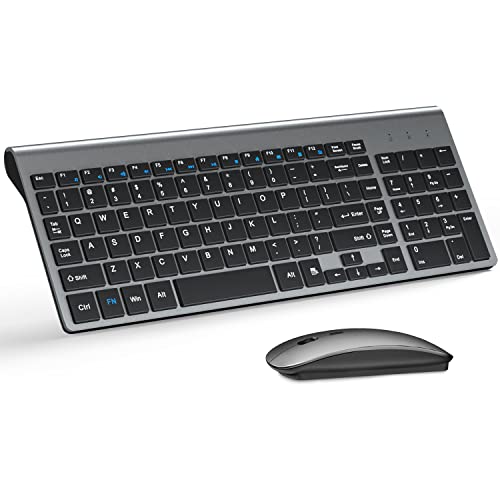
Wireless Keyboard and Mouse Ultra Slim Combo, TopMate 2.4G Silent Compact USB 2400DPI Mouse and Scissor Switch Keyboard Set with Cover, Batteries Included, for PC/Laptop/Windows/Mac - Gray...
Final Words
A successful

Mark Fiebert is a former finance executive who hired and managed dozens of professionals during his 30-plus-year career. He now shares expert job search, resume, and career advice on CareerAlley.com.