- Key Takeaways
- Latest Trends
- Compensation Transparency Will Drive Decisions
- Streamlined, Candidate-Centric Interviewing
- Soft Skills Are Now Non-Negotiable
- Upskilling Fuels Internal Mobility
- Purpose-Driven
Recruitment Will Define Employer Appeal - Gen Z Expectations Are Reshaping Hiring
- Boomerang Hires Are on the Rise
- Recruiting Is Becoming More Marketing-Driven
- Skills Verification Tech Is Growing Fast
- Next Steps
- Final Words
We may earn a commission if you click on a product link and make a purchase at no additional cost to you. For more information, please see our disclosure policy.
Last updated: April 7, 2025
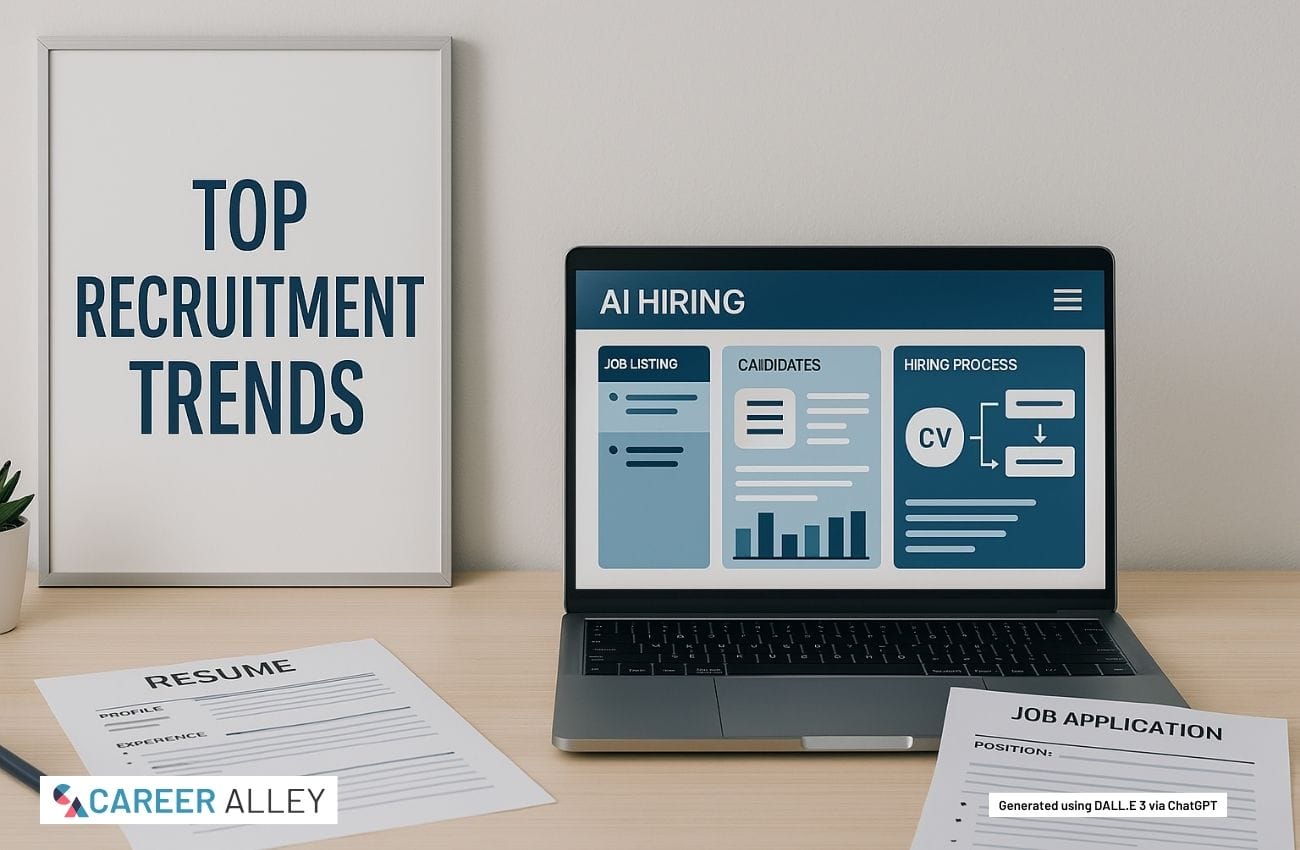
Key Takeaways
- AI and automation lead modern hiring: From résumé screening to candidate engagement, artificial intelligence streamlines
recruitment and reduces bias. - Purpose and values drive candidate interest: Job seekers prioritize companies with transparent missions, authentic cultures, and straightforward social impacts.
- Soft skills and real-world ability matter most: Employers now favor communication, adaptability, and skills-based assessments over traditional credentials alone.
- Internal mobility and upskilling are strategic: Organizations invest in existing employees through development programs and promotion pathways to close talent gaps.
- Marketing tactics are transforming
recruitment : Employer branding, alumni outreach, and content-driven candidate nurturing are becoming essential for long-term hiring success.
Predicting the future of recruiting isn’t easy, but with the pace of technological change, candidate expectations, and workplace priorities, some clear trends have emerged. This article highlights what’s shaping the hiring landscape, offering insight to job seekers and recruiters.
Whether you’re navigating the job market for the first time or evolving your strategy as an experienced professional, understanding these trends will give you a competitive edge. From AI-powered hiring tools to the rising importance of soft skills and branding, staying ahead of what’s in—and what’s out—is essential to thrive.
By applying the proper techniques and avoiding outdated methods, you’ll be better equipped to make informed decisions and connect with the right opportunities in today’s evolving workforce.
Applying for a job and having to take a skills assessment test? JobTestPrep offers practice tests and packages for various job skills exams. Our preparation packages include answers and explanations to help you understand your test results, study guides, tips, and more.

Latest Trends
- AI-Enhanced Talent Matching: Recruiters now rely on AI to scan résumés and match candidates to roles based on skills, behavior patterns, and predictive analytics. This streamlines decision-making and reduces hiring bias.
- Remote-First Workforce Strategies: Employers continue to embrace remote-first and hybrid hiring models, seeking candidates proficient in asynchronous communication and digital collaboration tools like Slack, Zoom, and Trello.
- Human-Centered Soft Skills Assessments: Companies are elevating soft skills like empathy, adaptability, and conflict resolution through behavioral assessments and scenario-based interview simulations. These traits often outweigh technical credentials.
- Inclusive Hiring for Performance: Many employers are shifting from legacy DEI language to broader strategies focused on equity, fairness, and measurable performance impact in candidate selection.
- Employer Branding with Authenticity: Job seekers value transparency over polish. Brands that showcase genuine employee stories, values, and behind-the-scenes culture—especially on platforms like LinkedIn and Glassdoor—are winning top talent.
We’re with you until you land your next job — placement support guaranteed. Four expert services. One simple fee. This personal, done-for-you, job placement support service has everything you need to find your next role.

Compensation Transparency Will Drive Decisions
Today’s candidates expect clarity around pay, which influences where they apply. Job seekers now prioritize roles with transparent salary ranges, equity details, and benefits breakdowns. Pay transparency laws are already in effect in many states, requiring employers to publish compensation bands in job descriptions.
To remain competitive, employers must go beyond vague terms like “competitive salary” and offer detailed, justifiable compensation packages instead. This includes a base salary, performance incentives,
- Entry-level applicants should prepare by having copies of their transcripts and diplomas ready to support their value and negotiate confidently.
- Experienced professionals: They can reinforce their position with updated salary research and negotiation tactics based on industry benchmarks and job scope.
Our job offer and salary negotiation courses will teach you how to negotiate with confidence and secure competitive compensation. Based on hundreds of successful salary negotiations, our courses will help you negotiate a better job offer or more at your current company.
Enroll and start negotiating your way to success!
Streamlined, Candidate-Centric Interviewing
Lengthy, outdated interview processes are driving candidates away, especially Gen Z and younger millennials who expect speed, clarity, and digital fluency. To stay competitive, employers are reducing interview rounds, clarifying timelines upfront, and integrating tech-driven solutions like video assessments and AI-based scheduling.
Modern candidates prefer processes that respect their time and mirror the company’s values. Companies that automate basic steps but preserve a human touch during evaluations are seeing higher acceptance rates and stronger employer branding.
- Make it mobile-friendly: Ensure job applications and interview scheduling tools work seamlessly on phones and tablets.
- Clarify expectations early: Communicate the number of rounds, the types of interviews, and who will be involved in the decision-making process.
Creating a candidate-first experience improves conversion and has become a competitive necessity in today’s talent market.
Ace any video job interview using Zoom, Skype, Google Meet, Microsoft Teams, or any other online video calling platform!

Soft Skills Are Now Non-Negotiable
Technical know-how may get you noticed, but soft skills seal the deal in today’s hiring environment. Employers are placing increased weight on interpersonal strengths like emotional intelligence, adaptability, and collaboration—especially in hybrid and
Companies now assess soft skills using behavioral interviews, problem-solving simulations, and even gamified testing tools. Job seekers who demonstrate these qualities alongside technical expertise stand out in every industry.
- Top soft skills in demand: Communication, conflict resolution,
time management , and cross-functional teamwork. - How to prepare: Practice storytelling examples tailored to your target job that demonstrate your soft skills in action.
Discover the top 5 soft skills that can boost your career growth, improve workplace performance, and help you become the most effective version of yourself.

Upskilling Fuels Internal Mobility
Rather than always hiring externally, companies are investing in upskilling current employees to fill critical roles. With evolving technologies and shifting organizational needs, internal mobility has become a smart and cost-effective strategy.
HR teams are launching internal learning platforms, mentorship programs, and career pathing tools to retain top talent. Job seekers already within organizations who engage in upskilling and reskilling are more likely to secure promotions or lateral moves into growth areas.
- For employees: Take advantage of internal training, certifications, or leadership development initiatives to position yourself for advancement.
- For employers: Investing in upskilling boosts retention, reduces hiring costs, and closes skills gaps without lengthy lead times.
Companies that foster a learning culture and encourage internal advancement send a clear message: they value growth, loyalty, and long-term success.
Ready to reimagine your career?
Get the skills and real-world experience employers want with Career Accelerators.
Purpose-Driven Recruitment Will Define Employer Appeal
Top talent seeks more than a paycheck—they want to work for an organization’s purpose. Candidates are aligning themselves with employers whose missions resonate with their values. Companies that articulate a strong purpose attract more engaged, loyal applicants.
Recruiters are updating job descriptions, careers pages, and interview scripts to emphasize how each role contributes to the company’s broader impact. Authentic messaging around sustainability, DEI, and social responsibility is especially powerful for younger candidates.
- Highlight mission-driven culture: Showcase real stories of employees making a difference through their work.
- Integrate values into hiring: Ask purpose-based questions during interviews to assess candidate alignment with your brand.
Gen Z Expectations Are Reshaping Hiring
Gen Z now makes up a significant portion of the workforce, and their expectations are changing how companies recruit. This generation values mental health support, flexibility, authenticity, and a strong digital experience.
To attract and retain Gen Z, companies must deliver fast, transparent communication and offer growth opportunities from day one. They’re also paying close attention to how companies speak about inclusion, technology, and work-life balance online.
- Modernize job ads: Speak in a clear, inclusive tone and emphasize flexibility, purpose, and upskilling opportunities.
- Invest in mobile-first recruiting: Ensure the entire application process works seamlessly on mobile devices.
In Slam Dunk Job Search, David Parker simplifies the often intimidating job search into an empowering and innovative step-by-step process that shows you how to wow employers and land your ideal job.

Boomerang Hires Are on the Rise
Employees who left a company and later return—known as boomerang hires—are becoming a strategic focus for many recruiters. These professionals already understand the culture, require less onboarding, and often return with new skills and experiences.
Organizations proactively reach out to high-performing former employees through alumni networks and targeted campaigns. In tight labor markets, boomerang talent offers a proven, low-risk
- Build alumni pipelines: Maintain ongoing engagement with past employees through newsletters and exclusive opportunities.
- Position rehires positively: Emphasize fresh perspectives and professional growth gained during time away.
LinkedIn Secrets From a Top Executive Recruiter shows how to create a LinkedIn Profile that will get you noticed for your expertise. This book walks you through a step-by-step approach to creating a LinkedIn Profile that recruiters and hiring managers will notice.

Recruiting Is Becoming More Marketing-Driven
Recruiters now think like marketers—crafting campaigns, building funnels, and nurturing candidate relationships over time. This approach improves hiring outcomes by creating more substantial employer-candidate alignment before the first interview.
From branded content on LinkedIn to personalized
- Create content for candidates: Share behind-the-scenes posts, employee spotlights, and career tips to build rapport with future applicants.
- Use CRM tools: Automate follow-ups and track engagement across the hiring funnel to stay top-of-mind with passive talent.
Skills Verification Tech Is Growing Fast
In an era of résumé inflation and AI-assisted applications, companies increasingly use technology to validate skills before hiring. Online assessments, project-based evaluations, and even blockchain credentials are being used to confirm candidate qualifications.
This trend reduces hiring bias and ensures that skills—not just degrees—drive hiring decisions. It’s particularly valuable in technical and remote-first roles, where proven ability matters more than pedigree.
- Adopt skill-testing platforms: Use tools like Codility, Vervoe, or TestGorilla to screen for role-specific capabilities.
- Reward verified learning: Recognize certifications, nano-degrees, and project portfolios as valid signals of expertise.
Build the tech career that's right for you.
Explore thousands of top tech employers hiring on Dice

Next Steps
- Audit your
recruitment strategy: Review your current hiring practices and identify outdated methods that may turn candidates away. - Update your employer brand content: Refresh your careers page, job postings, and social media to authentically reflect your values and culture.
- Incorporate skills-based assessments: To improve candidate alignment, add project tasks, soft skill evaluations, or verified credentials to your hiring process.
- Engage past employees: Reconnect with former high performers through alumni campaigns and consider boomerang hires for hard-to-fill roles.
- Invest in internal upskilling: Build talent from within by offering your team targeted learning paths and transparent career mobility.
Final Words
The current
Organizations that prioritize people, streamline processes, and embrace continuous learning will not only attract stronger candidates but build more resilient and future-ready teams. Staying ahead in this competitive market means being willing to rethink what hiring success looks like—and adapting before the trends become the norm.
You’ll learn how to use social media to build an open, engaging two-way conversation with potential employees.


Mark Fiebert is a former finance executive who hired and managed dozens of professionals during his 30-plus-year career. He now shares expert job search, resume, and career advice on CareerAlley.com.