- Key Takeaways
- Decide Whether Entrepreneurship Fits Your Goals
- Validate Your Business Idea Before Launching
- Create a Practical Business Plan
- Establish the Right Legal and Financial Structure
- Manage Startup Funding and Cash Flow
- Develop a Marketing Strategy That Reaches Buyers
- Create a Credible Digital Presence
- Choose Business Insurance Without Overspending
- Consider Starting Part-Time While Employed
- Protect Customer Relationships and Plan for Growth
- Further Guidance & Tools
- Next Steps
- Final Words
We may earn a commission if you click on a product link and make a purchase at no additional cost to you. For more information, please see our disclosure policy.
Last updated: October 10, 2026

Key Takeaways
- Validate Before Investing: Identify a specific customer problem, test demand, and confirm that people will pay before committing significant savings or resources.
- Build a Solid Foundation: Choose an appropriate business structure, understand applicable regulations, and develop a practical plan for managing operations and finances.
- Control Startup Costs: Estimate initial expenses, protect cash flow, compare insurance coverage, and avoid unnecessary commitments while your business establishes reliable revenue.
- Market Strategically: Focus on the customers most likely to buy, select suitable marketing channels, and measure results instead of pursuing visibility everywhere.
- Grow at Your Pace: Starting part-time while employed can reduce financial pressure, allowing you to validate your business before making larger commitments.
Starting your own business offers greater control over your career, but independence comes with financial responsibilities, operational decisions, and risks that traditional employment often places on an employer. A promising idea is only the beginning. You also need customers willing to pay, enough money to operate, and a realistic strategy for reaching them.
The most effective approach is to validate your idea before spending heavily, establish the necessary business foundations, and expand only when customer demand and finances support growth.
Whether you are leaving traditional employment, exploring a side hustle, or building a company from scratch, careful preparation can help you avoid expensive mistakes. The following considerations will help you determine whether your idea is viable, what you need before launching, and how to build a business that supports your long-term goals.
Most people do not fail at business because they lack ambition. They fail because they skip validation, underestimate costs, and market too broadly. Fix those mistakes before launch and build smarter. #EntrepreneurshipClick To TweetDecide Whether Entrepreneurship Fits Your Goals
Business ownership provides independence, but it does not automatically deliver flexible hours, higher income, or a better work-life balance. During the early stages, owners frequently handle sales, administration, customer service, and financial decisions themselves.
Before committing, consider why you want to become an entrepreneur. Are you seeking greater professional independence, additional income, more flexible working arrangements, or a chance to develop a product or service?
Starting a business involves choices about ownership, funding, operations, and personal responsibility. Understanding those commitments matters, especially when transitioning from employment.
Some professionals find entrepreneurship a more satisfying alternative to searching for another job. Others prefer the stability of employment while gradually developing a business.
Before deciding, assess three factors:
- Financial Readiness: Determine how long you can cover personal expenses if the business produces little income.
- Time Commitment: Consider whether you can consistently devote enough time to sales, operations, and customer relationships.
- Risk Tolerance: Evaluate how much savings, income stability, and personal time you are prepared to put at risk.
CareerAlley’s discussion of entrepreneurship offers additional perspective on the qualities that can support business ownership.
For those considering internet-based ventures, resources on starting a business may also help explain how online operations differ from traditional business models.
Validate Your Business Idea Before Launching
A successful business starts with a specific customer problem and an offer people consider valuable enough to buy. An idea doesn’t need to be completely original, but it must give customers a compelling reason to choose your business.
Successful entrepreneurs solve specific customer problems, but they must also differentiate their offerings, communicate value, and deliver a dependable experience.
Start by identifying an underserved need within an industry you understand. Your professional experience may reveal inefficiencies, customer frustrations, or specialized services that existing providers overlook.
For example, someone with
Use a simple validation process:
- Identify Customers: Describe the people or businesses most likely to need your offering.
- Investigate Problems: Speak with prospective buyers about their current challenges and existing solutions.
- Compare Competitors: Examine alternatives, pricing, service quality, and customer complaints.
- Test an Offer: Present a basic service package, prototype, or limited product selection to potential customers.
- Measure Interest: Look for actual purchases, deposits, qualified inquiries, or other meaningful evidence of demand.
Brainstorming tools can help organize possibilities. A resource focused on generating an innovative business idea may be useful during initial planning, but customer evidence should ultimately guide your decisions.
The distinction between novelty and commercial value matters. A startup needs an offer that customers understand and want, not simply an interesting concept.
Create a Practical Business Plan
Your business plan should explain how the company will attract customers, deliver its products or services, generate revenue, and manage expenses.
It does not need to be lengthy. A focused plan is often more useful than an elaborate document based on untested assumptions.
According to the U.S.
A useful startup plan should address:
- Business Model: What you will sell, how customers will buy it, and how you will generate revenue.
- Target Market: Which customers you serve and why they would choose your offering.
- Startup Budget: Initial expenses, recurring costs, and funding requirements.
- Marketing Strategy: How you will reach potential customers and convert interest into sales.
- Operating Requirements: Suppliers, equipment, technology, staffing, and administrative responsibilities.
- Milestones: Specific outcomes that indicate whether the business is progressing toward financial sustainability.
Writing a business plan can also help identify weaknesses before they become expensive operational problems.
Planning resources such as those available from profitableventure.com and online business planning templates, can provide additional structure.
You can also use visual planning tools to organize customer research, launch milestones, assumptions, and operational tasks.
Review your plan regularly. Early customer feedback may require changes to pricing, positioning, or delivery methods.
Establish the Right Legal and Financial Structure
Before opening for business, determine which legal structure fits your ownership arrangements, liability exposure, financing needs, and tax situation.
In the United States, common structures include sole proprietorships, partnerships, limited liability companies (LLCs), and corporations. Each has different legal and tax implications, and requirements can vary by state.
An LLC may provide liability protection under applicable state law, but it does not eliminate every personal or business risk. Similarly, forming a corporation introduces administrative obligations that may be unnecessary for some small ventures.
Evaluate the alternatives based on your actual circumstances rather than assuming one structure is universally preferable. Consult qualified legal or tax professionals when the implications are significant.
To launch a successful business, you should also identify any required licenses, permits, tax registrations, and industry-specific obligations.
Depending on your operations, preparation may include opening a dedicated business bank account, establishing
You should also consider whether to remain employed or pursue business ownership full-time at this stage.
Professional relationships can simplify many startup decisions. Purposeful networking may help you identify experienced advisers, suitable vendors, referral partners, and potential customers.
Manage Startup Funding and Cash Flow
A business can attract customers and still face financial difficulties if expenses arrive before it collects enough cash.
Startup planning must therefore distinguish profitability from cash flow. A profitable sale does not necessarily provide immediate cash if customers pay weeks later.
Begin by calculating one-time startup expenses, recurring operating costs, and the amount needed to cover personal obligations while the business develops.
Consider equipment, inventory, website expenses, software subscriptions, insurance, professional services, marketing, utilities, and any employee costs.
Use conservative revenue assumptions and estimate how long your available cash will support operations if sales develop more slowly than expected.
CareerAlley’s guidance on startup financing provides additional perspective on budgeting and financial management.
Funding options depend on the business and may include personal savings, reinvested revenue, loans, or outside investors. Before applying for a business loan, calculate the repayment burden under realistic sales assumptions.
Accounting tools can help monitor expenses, invoices, and financial performance, but software does not replace sound budgeting.
Clear records also make it easier to understand business payment terms, collections, and cash availability.
Develop a Marketing Strategy That Reaches Buyers
Marketing should start with the customers most likely to buy your offering, not a commitment to every available advertising platform.
Knowing your target market helps you identify the messages and channels most likely to produce results.
Before spending heavily, determine where prospective customers search for information, compare alternatives, and make purchasing decisions.
A strong brand identity makes your business easier to recognize and understand. However, positioning and customer value matter more than an expensive logo or elaborate visual identity.
Marketing is essential to growing your business, but the appropriate approach varies by audience, industry, and budget.
Useful options include:
- Search Visibility: Develop relevant website content that addresses customer questions and supports search engine optimization.
- Social Platforms: Use social media channels where prospective customers actively seek recommendations or information.
- Email Communication: Build permission-based customer relationships through useful updates and targeted email marketing.
- Local Outreach: Consider referrals, partnerships, community relationships, and traditional advertising when they reach relevant buyers efficiently.
Choose a small number of channels, establish measurable objectives, and evaluate whether they generate qualified inquiries or sales.
Marketing automation platforms may help manage campaigns, but effective marketing still depends on understanding your audience and presenting a convincing offer.
Create a Credible Digital Presence
Most businesses benefit from an accessible online presence that explains their products or services and makes it easy to contact them.
Your website should clearly identify your offering, intended customers, contact details, and the actions visitors can take.
Even companies operating primarily offline can benefit from accurate business listings, customer testimonials, and consistent contact information.
Resources covering establishing a strong online presence can help founders understand the practical requirements of internet-based operations.
When evaluating website services, consider reliability, total cost, ease of maintenance, and your ability to update content without unnecessary technical complexity.
Before investing in advanced features, ensure that the website works well on mobile devices, communicates your offer clearly, and provides a straightforward way to make inquiries or purchase.
Choose Business Insurance Without Overspending
Business insurance is an important startup expense, but the right coverage depends on your operations, location, employees, contractual obligations, and potential liabilities.
Common coverage categories include general liability, professional liability, commercial property, commercial auto, and workers’ compensation insurance.
Some policies may be required by law, while others may be necessary to satisfy contracts, obtain licenses, or protect against significant financial losses. Requirements vary by jurisdiction and business activity.
The goal is not simply to find the cheapest premium. An inexpensive policy may exclude risks that could create serious financial exposure.
When comparing coverage, evaluate:
- Covered Risks: Confirm which activities, incidents, and property are included.
- Exclusions: Understand which losses the policy will not cover.
- Coverage Limits: Consider whether maximum payments are appropriate for your potential exposure.
- Deductibles: Evaluate how much you would need to pay when making a claim.
- Total Cost: Compare premiums, fees, payment arrangements, and renewal terms.
Depending on your needs, an insurer offering insurance for business purposes may be one option to evaluate alongside other providers.
CareerAlley’s discussion of managing insurance costs provides another perspective on insurance-related decisions.
Obtaining comparable quotes can help you understand the tradeoffs. Where coverage is complex, consider consulting a qualified insurance professional rather than selecting a policy based on price alone.
Appropriate insurance should fit within a broader risk management plan that includes contracts, operational safeguards, and financial reserves.
Consider Starting Part-Time While Employed
Launching a business while maintaining employment can reduce financial pressure and provide time to evaluate whether your idea is commercially viable.
Instead of relying immediately on business revenue for personal expenses, you can use a gradual approach to develop customers, refine pricing, and establish dependable operating processes.
This strategy can be particularly useful for consulting, freelance services, online businesses, and other ventures with relatively modest initial costs.
It is not suitable for every business. A physical retail operation, restaurant, or company requiring substantial equipment and staffing may need a different launch approach.
Before operating a business alongside employment, review your employment agreement and workplace policies for conflicts of interest, confidentiality obligations, restrictions on outside work, and other applicable requirements.
Books discussing startup financial planning explain why maintaining financial stability reduces financial risk during the uncertain early stages.
Set realistic milestones before considering a full-time transition. These might include consistent monthly revenue, adequate operating reserves, repeat customers, and evidence that demand can support expansion.
A gradual launch gives you the opportunity to make better-informed decisions without assuming that early enthusiasm guarantees sustainable income.
Protect Customer Relationships and Plan for Growth
Long-term success depends on more than attracting customers. Businesses must deliver reliably, maintain appropriate records, protect sensitive information, and resolve problems effectively.
Customer trust develops through clear communication, dependable service, reasonable expectations, and consistent follow-through.
For businesses collecting customer information, basic cybersecurity measures should include strong authentication, access controls, software updates, secure backups, and appropriate handling of sensitive data.
As demand increases, assess whether your processes can support additional customers without reducing quality or creating unsustainable workloads.
Growth may eventually involve hiring employees, outsourcing administrative tasks, or introducing more structured operating systems.
CareerAlley’s article about cultivating your customers and looking after your staff offers additional perspective on people-related responsibilities.
Review customer feedback, profitability, repeat purchases, and operational capacity before expanding. A smaller business with dependable revenue and manageable expenses may be healthier than a rapidly growing company with weak cash flow.
Finally, establish personal boundaries. Business ownership should support your long-term goals rather than require unlimited working hours without a sustainable return.
Further Guidance & Tools
- Startup Planning: Use the U.S. Small Business Administration’s planning resources to research customers, estimate startup expenses, and develop your business plan.
- Tax Responsibilities: Consult the IRS small business resources for information about federal tax obligations, recordkeeping, and business tax topics.
- Business Mentoring: Explore SCORE’s mentoring and educational resources for guidance on starting and managing a
small business .
Next Steps
- Validate Demand: Interview at least five potential customers and test a specific offer before committing substantial money to the business.
- Develop Your Plan: Document your target market, pricing, startup expenses, operating requirements, and realistic financial milestones.
- Review Requirements: Confirm applicable registration, licensing, tax, and insurance obligations before making binding commitments or beginning operations.
- Launch Carefully: Establish a credible online presence, choose one primary marketing channel, and measure inquiries and sales.
- Evaluate Progress: Review cash flow, customer feedback, and workload regularly before investing additional money or transitioning into full-time ownership.
Final Words
Starting a business is a significant professional decision, but it doesn’t require an elaborate launch or an immediate commitment to full-time ownership. A disciplined approach lets you test customer demand, control financial exposure, and build operations that fit your circumstances. The important decisions are often practical rather than dramatic: understanding what customers need, spending carefully, protecting against meaningful risks, and improving your offering based on results. By treating the early stages as a period of learning and measured investment, you can build a stronger foundation for sustainable business ownership.
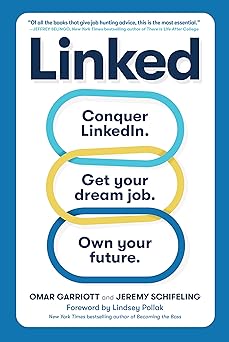
A practical, no-nonsense guide that shows exactly how to use LinkedIn to get noticed, build real professional traction, and land better opportunities. Clear strategies, modern examples, and actionable steps make it especially useful for job seekers.


Mark Fiebert is a former finance executive who hired and managed dozens of professionals during his 30-plus-year career. He now shares expert job search, resume, and career advice on CareerAlley.com.