- Key Takeaways
- Begin with Hard and Soft
Skills - Identify Your
Skills by What You Do Now - Don't Neglect Past Experience
- Also, Include Daily Life and Habits
- Identify Your
Skills for Improvement - Ask Others for Their Perspective on You
- List Your
Strengths and Weaknesses - Analyze Job Descriptions
- Be Honest with Yourself
- Further Guidance & Tools
- Next Steps
- Final Words
We may earn a commission if you click on a product link and make a purchase at no additional cost to you. For more information, please see our disclosure policy.
Last updated: January 20, 2026
By Mark Fiebert
Key Takeaways
- Skill Awareness: Clearly identifying your skills helps you make better decisions when pursuing promotions, changing roles, or exploring new career paths with confidence.
- Hard vs Soft
Skills : Both technical expertise and personal strengths matter, and understanding how they work together makes you more competitive in today’s job market. - Experience Inventory: Your current and past roles offer valuable insight into transferable
skills , even those you may not have used recently. - Growth Potential: Employers value potential as much as proficiency, so identifying skill gaps and showing willingness to improve strengthens your candidacy.
- Honest Self-Assessment: Being realistic about your strengths and weaknesses allows you to target roles that fit your abilities and position yourself more effectively.
It can be tricky to identify your

The use of SWOT Analysis allows organizations to maximize their strengths, minimize their weakness, take advantage of their opportunities and overcome their weaknesses.

Begin with Hard and Soft Skills
Skills are generally divided into two categories. These are hard
Identify Your Skills by What You Do Now
Maybe, like most other people, you want a new job at a different company. You aren’t alone, as only 7% of people surveyed are doing their

Get a ten-step plan for setting and achieving your goals. Unlike other titles, this book will teach you to turn any idea into an actionable plan.
Don’t Neglect Past Experience
Of course, there are
Also, Include Daily Life and Habits
You have many

Embrace the Work, Love Your Career combines accessible advice, time-tested strategies, creative prompts, and thoughtful exercises into one holistic resource.
Identify Your Skills for Improvement
Wouldn’t it be great if we could all be excellent at everything? But alas, we aren’t! Even the most talented people in the world can’t do it all. But that doesn’t mean you can’t improve. Most employers look for potential just as much as immediate
- There is a concerning lack of digital
skills today, so these can be an advantage. - Develop your people
skills by working closely with others through volunteering. - Look for gaps with
skills that have gone out of date but are still in demand. - Take classes to improve your literacy and numeracy
skills , which are always a bonus. - Learning to communicate effectively is a major step toward career success.
- Consider attending courses that offer advanced
skills in your chosen career. - Of course, you can always practice and develop your interview
skills .
Just learning the basics of some
Build the real-world skills you need to stand out to employers hiring for entry-level roles with Chegg Skills. Select a career path below to access exclusive internships and gain real-world skills. Students who add top skills to their resume are 3x more likely to hear back from potential employers
Ask Others for Their Perspective on You
Sometimes we can be our own worst enemies when it comes to believing in ourselves. All too often, we don’t see the full value we can offer. Youmight also downplay some of your best
List Your Strengths and Weaknesses
This is an oldie, but it is still around because it is effective! Everyone has

This book provides diverse job seekers with the essential resources and techniques to develop a career plan, conduct a successful job search, and succeed in a diverse workplace.
Analyze Job Descriptions
Okay, so does anyone really like reading job descriptions? Maybe not! One survey found that 90% of people don’t read the description. This is a big mistake! However, a job description outlines what you are required to do, not who they are looking for. That said, create a list of
Be Honest with Yourself
You’ve probably thought of a job you’d like to do. But can you really? Overconfidence can be a burden, and you will go through many interviews if you don’t aren’t honest with yourself about what you can and can’t do. You also need to be honest with yourself in order to identify your valuable

This book will take you through understanding the way you feel now as well as how to improve your current situation immediately so you can create enough space to work on breaking out and doing what you truly love.
Further Guidance & Tools
- Skills Matcher: Use CareerOneStop Skills Matcher to rate your
strengths and see careers that align with your skill profile. - Role
Skills Map: Use O*NET OnLine to compareskills by job title and identify what employers expect in your target roles. - Hard vs Soft: Use hard vs. soft skills to categorize your abilities and describe them clearly on resumes and in interviews.
- Career Competencies: Use NACE career readiness competencies to benchmark your
skills and spot gaps employers consistently prioritize. - Interview Practice: Use Big Interview to practice skill-based answers and build confidence explaining your
strengths with real examples.
Next Steps
- Skill Inventory: Write a two-column list of hard and soft
skills drawn from your daily tasks, tools, and responsibilities. - Evidence Bank: For each top skill, add one short example showing impact, such as improved results, solved problems, or smoother
collaboration . - Outside
Skills : Listskills from volunteering, parenting, hobbies, or community roles, then translate them into workplace language employers recognize. - Gap Analysis: Review several target job descriptions, highlight repeated
skills , and choose one or two high-value gaps to improve. - Reality Check: Ask two trusted people what you do best, then compare their feedback to your list and adjust honestly.
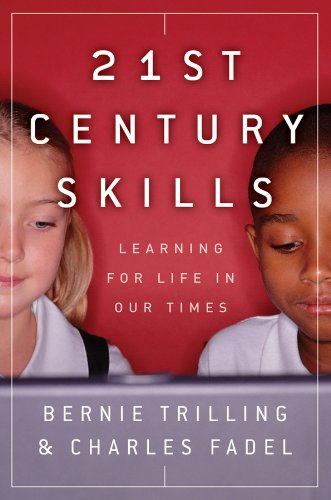
21st Century Skills: Learning for Life in Our Times explores the essential skills needed to thrive in today’s dynamic, technology-driven, and global economy.
Final Words
Identifying your
Explore Career.io, the only Al and human-powered platform where you can find everything you need. For any step of your job search or career growth. All in one place.
Mark Fiebert is a former finance executive who hired and managed dozens of professionals during his 30-plus-year career. He now shares expert job search, resume, and career advice on CareerAlley.com.