- Key Takeaways
- How Counteroffers Usually Happen
- Understand What A Counteroffer Really Means
- The Case For Accepting A Counteroffer
- The Risks Of Staying After A Counteroffer
- Compare The Offers Against Your Real Reasons
- Think Carefully Before Reneging
- When Moving On Is The Cleaner Choice
- What Happens If You Stay?
- Further Guidance & Tools
- Next Steps
- Final Words
- Additional Resources
We may earn a commission if you click on a product link and make a purchase at no additional cost to you. For more information, please see our disclosure policy.
Last updated: June 10, 2026

Key Takeaways
- Pause First: A counteroffer can feel flattering, but it may not solve the real reason you considered leaving.
- Look Beyond Pay: Salary matters, but culture, growth, trust, manager quality, and career direction matter more long term.
- Protect Your Reputation: Accepting a new offer and then reversing course can damage relationships with recruiters and employers.
- Question The Timing: If your employer could pay you more now, ask why it took a resignation to make it happen.
- Decide Strategically: Compare both options against your career goals, not the temporary emotion of being wanted.
When faced with a job counteroffer, deciding whether to stay with your current employer or move on can be harder than expected. A counteroffer often arrives at an emotional moment. You have accepted a new role, prepared to give notice, and then your current employer suddenly offers more money, a better title, extra flexibility, or promises of future growth.
That can feel validating, but it should also raise questions. Why did it take your resignation to trigger a raise? Will the original issues actually change? How will your manager view you after knowing you were ready to leave? Before accepting anything, step back and consider your long-term career goals, job satisfaction, growth path, and professional reputation.

Explore CareerAlley’s curated Amazon picks for job search tools, resume help, interview prep, work essentials, and smart career-building resources.

How Counteroffers Usually Happen
You may not have been actively searching. Maybe a recruiter called, you took the conversation out of curiosity, and the opportunity became more interesting than expected. One phone screen led to interviews, the new company impressed you, and now you have another opportunity with better pay, stronger work, improved flexibility, or a healthier culture.
Then you resign, and your manager reacts quickly. Suddenly, there is money in the budget. Suddenly, your promotion is possible. Suddenly, your concerns matter. That moment can be tempting, especially if you like your coworkers or fear the uncertainty of starting over. But the timing matters. A counteroffer is often a retention tactic, not a full career plan.
Understand What A Counteroffer Really Means
A job counteroffer is a proposal from your current employer after you receive or accept an outside offer. It may include a salary increase, bonus, title change,
That does not automatically mean staying is wrong. In rare cases, a counteroffer can correct an underpayment issue or speed up a promotion that was already in progress. The problem is that counteroffers usually focus on the visible issue, such as pay, while the deeper reasons for leaving may remain unchanged.

This book makes it easier than ever to earn thousands of extra dollars because it adds many key concepts to the "bible" of salary negotiations.
The Case For Accepting A Counteroffer
There are legitimate advantages to staying. You avoid the uncertainty of a new company, new boss, new expectations, and unfamiliar culture. You keep existing relationships, benefits, commute patterns, institutional knowledge, and project momentum. If the only real problem was compensation, and the new offer helped prove your market value, a counteroffer might be worth considering.
Before saying yes, make sure the offer is specific and written. A vague promise is not enough. You need clarity on salary, title, reporting structure, responsibilities, bonus eligibility, remote or hybrid terms, promotion timeline, and what will change immediately. If the counteroffer depends mostly on future promises, treat it carefully.
The Risks Of Staying After A Counteroffer
The biggest risk is that trust changes. Your employer now knows you were willing to leave. Even if they say they understand, that knowledge can affect future assignments, promotion decisions, succession planning, and layoff discussions. You may also feel differently. Once you realize the company could improve your situation only after you threatened to leave, resentment can linger.
Counteroffers can also affect team dynamics. Colleagues may suspect you received special treatment, especially if your raise or promotion appears sudden. Your manager may wonder whether you are still committed. The company may keep you long enough to finish a critical project and then reassess your role later. None of that is guaranteed, but it is realistic enough to consider before staying.

This book will help you thoroughly evaluate a job offer, determine what questions to ask in a negotiation, create ways to decide how to reject or accept the offer, and ultimately assist you in being professional during the offer process.
Compare The Offers Against Your Real Reasons
Do not evaluate the counteroffer only against the new salary. Evaluate both options against the reasons you became interested in leaving. Were you underpaid, bored, blocked from advancement, poorly managed, burned out, commuting too far, or stuck in a company that no longer fits your goals? If the counteroffer fixes only one issue, the others may bring you back to the same decision within months.
Use a simple decision filter:
- Compensation: Which offer pays fairly for your role, market value, workload, and future earning potential?
- Growth: Which role gives you stronger skills, better projects, clearer advancement, and more useful experience?
- Trust: Which employer has acted consistently, transparently, and respectfully throughout the process?
- Fit: Which workplace better matches your values, schedule, manager style, and long-term career direction?
Think Carefully Before Reneging
If you already accepted the outside offer, changing your mind can create real reputational damage. The hiring manager may not consider you again. The recruiter may stop representing you. In some industries, word travels faster than you expect. That does not mean you can never reverse a decision, but you should understand the cost.
You accepted the outside offer for a reason. Maybe you wanted better pay, stronger leadership, new technology, a healthier culture, or more meaningful work. A current employer’s sudden counteroffer can blur that clarity. Before backing out, ask whether staying is truly better or simply more familiar.

Never miss an opportunity. On ZipRecruiter, top companies reach out to you.
There's no need to look anywhere else. With over 9 Million jobs, ZipRecruiter is the only site you'll ever need to find your next job.
When Moving On Is The Cleaner Choice
Choosing the new role can open fresh opportunities that your current employer could not or would not provide. A new company may offer better leadership, stronger career development, more relevant work, a broader network, or a healthier environment. If the outside role aligns more closely with your career, moving forward may be the stronger long-term decision.
The cleanest approach is to handle your resignation professionally. Thank your current employer, decline the counteroffer respectfully, and avoid turning the conversation into a negotiation if your decision is already made. You do not need to criticize the company. You only need to be clear, appreciative, and firm.

Explore Career.io, the only Al and human-powered platform where you can find everything you need. For any step of your job search or career growth. All in one place.
What Happens If You Stay?
If you stay, be prepared for the relationship to feel different. The trust factor may not fully recover, even if everyone remains polite. Your employer may wonder whether you will leave when the next recruiter calls. You may wonder why your value was recognized only after you had one foot out the door.
That is why a counteroffer should be judged by whether it creates a real future, not just a better paycheck. If you accept, get the terms in writing, agree on specific changes, and watch whether leadership follows through. If nothing changes except your salary, the original problem may still be waiting for you.
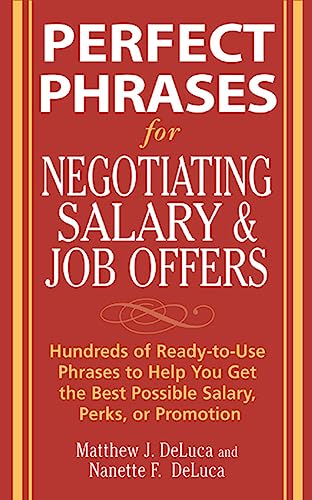
The latest guide in the top-selling, easy-to-use Perfect Phrases series gives you the correct vocabulary to use to get the best salary or job offer possible. Using words and phrases that take away the taboo surrounding the subject of money, you can ask for what you want-and deserve-with confidence.
Further Guidance & Tools
- Counteroffer Insight: The Harvard Business Review counteroffer analysis explains how to think beyond the emotional pull of staying.
- Employer View: The SHRM counteroffer overview shows how employers view retention offers and their potential downsides.
- Offer Negotiation: The Babson job offer negotiation guide helps candidates evaluate and negotiate offers more strategically.
- Salary Research: The BLS Occupational Outlook Handbook helps benchmark pay, job outlook, and career requirements by occupation.
- Career Planning: O*NET Online helps compare roles, skills, tasks, and career paths before making a move.
Next Steps
- List Reasons: Write down why you considered leaving before reviewing the counteroffer or outside offer again.
- Compare Terms: Evaluate pay, title, manager quality, growth, culture, flexibility, and written commitments side by side.
- Ask Why: Question why your employer is offering changes now and whether they will solve the real problem.
- Protect Reputation: If you accepted the new role, consider the relationship cost before reversing your decision.
- Decide Firmly: Once you choose, communicate professionally and avoid dragging both employers through repeated negotiations.

We’re with you until you land your next job — placement support guaranteed. Four expert services. One simple fee. This personal, done-for-you, job placement support service has everything you need to find your next role.
Final Words
A counteroffer can feel like recognition, but it is not always a career
Additional Resources
-

$29.99$27.99Learn MoreUrmust Laptop Notebook Stand Holder Adjustable Laptop Stand Portable Computer Riser Compatible with MacBook Air Pro HP Dell XPS Lenovo All Laptops 10-15.6"(Black) : Electronics
We earn a commission if you click this link and make a purchase at no additional cost to you.
03/04/2026 03:04 am GMT -
$9.95Learn More
This book will help you thoroughly evaluate a job offer, determine what questions to ask in a negotiation, create ways to decide how to reject or accept the offer, and ultimately assist you in being professional during the offer process.
We earn a commission if you click this link and make a purchase at no additional cost to you.
03/04/2026 02:02 pm GMT -
$17.00$12.52Learn MoreThe latest guide in the top-selling, easy-to-use Perfect Phrases series gives you the correct vocabulary to use to get the best salary or job offer possible. Using words and phrases that take away the taboo surrounding the subject of money, you can ask for what you want-and deserve-with confidence.
We earn a commission if you click this link and make a purchase at no additional cost to you.
03/04/2026 01:01 pm GMT -

$17.95$7.46Buy on Amazon.com Buy on Walmart.comNo matter who you're dealing with, Cohen shows how every encounter is a negotiation that matters. With the tools and skill sets he has devised, honed, and perfected over countless negotiations, the power of getting what you deserve is now a practical necessity you can fully master.
We earn a commission if you click this link and make a purchase at no additional cost to you.
03/04/2026 06:05 am GMT -
 $9.99If you want to learn the job offer negotiation secrets that top executives know and use to power your own career and financial future-forward, then this is the book for you.Learn More
We earn a commission if you click this link and make a purchase at no additional cost to you.
03/04/2026 04:01 am GMT -

$26.99$17.37Learn MoreCyezcor Video Conference Lighting Kit, Ring Light for Monitor Clip On,for Remote Working, Distance Learning,Zoom Call, Self Broadcasting and Live Streaming, Computer Laptop Video Conferen...
We earn a commission if you click this link and make a purchase at no additional cost to you.
03/04/2026 03:04 am GMT -
Get Matched to Jobs
Never miss an opportunity. On ZipRecruiter, top companies reach out to you.
There's no need to look anywhere else. With over 9 Million jobs, ZipRecruiter is the only site you'll ever need to find your next job.
We earn a commission if you click this link and make a purchase at no additional cost to you.
-
$20.55Learn More
This book makes it easier than ever to earn thousands of extra dollars because it adds many key concepts to the "bible" of salary negotiations.
We earn a commission if you click this link and make a purchase at no additional cost to you.
03/04/2026 06:07 pm GMT -
 $1.99Learn More
Get the compensation and benefits you deserve without putting your offer in jeopardy!
We earn a commission if you click this link and make a purchase at no additional cost to you.
03/04/2026 06:02 pm GMT -
 $25.99Learn More
A compact glass desktop whiteboard that fits between your keyboard and monitor, offering a smooth dry-erase surface, hidden storage and device trays, and all included accessories to keep notes, tools, and your workspace neatly organized.
We earn a commission if you click this link and make a purchase at no additional cost to you.
03/26/2026 06:37 pm GMT

Mark Fiebert is a former finance executive who hired and managed dozens of professionals during his 30-plus-year career. He now shares expert job search, resume, and career advice on CareerAlley.com.