- Key Takeaways
- How to Handle Salary Questions in a
Job Interview - Prepare With Verified Compensation Data
- 1. Negotiate Professionally From the Start
- 2. Support Your Number With Data
- 3. Use a Range Instead of a Single Figure
- 4. Keep the Conversation Open
- Evaluate the Full Compensation Package
- Know When to Walk Away
- Stay Composed When Asked Directly
- Further Guidance & Tools
- Next Steps
- Final Words
We may earn a commission if you click on a product link and make a purchase at no additional cost to you. For more information, please see our disclosure policy.
Last updated: February 28, 2026
Key Takeaways
- Market Research First: Verify current pay ranges using reputable compensation sources before entering any interview discussion about salary expectations.
- Use Strategic Ranges: Provide a researched salary range instead of a single figure to preserve flexibility and strengthen negotiation positioning.
- Stay Professional: Respond confidently without appearing defensive, desperate, or overly focused on money during compensation conversations.
- Leverage Total Value: Evaluate full compensation, including bonuses, benefits, growth potential, and flexibility, not just base salary.
- Know Your Floor: Establish a minimum acceptable salary beforehand to avoid accepting an offer that undermines long term financial goals.
How to Handle Salary Questions in a Job Interview
Compensation discussions can make even strong candidates uncomfortable. Yet salary negotiation is a standard and expected part of the hiring process. Employers routinely assess how candidates approach pay conversations because it reveals confidence, preparation, and business awareness.
You may hesitate to move forward with an interview if the compensation appears lower than expected. However, avoiding the conversation rarely works in your favor. Hiring managers will almost always ask about expectations directly or indirectly. Some may even present a preliminary figure simply to gauge your reaction.
Being unprepared can cost you leverage. Being strategic can position you as a professional who understands market value and business realities.
Get the compensation and benefits you deserve without putting your offer in jeopardy!


Prepare With Verified Compensation Data
Preparation begins with accurate, current data. Compensation varies by geography, experience level, education, certifications, and industry demand. Reliable sources include government labor data, reputable compensation surveys, and large job platforms that aggregate real employer submissions.
Before your interview, research the realistic Salary range for your title and region. If you are negotiating in a specialized field, factor in certifications, in-demand technical skills, or leadership responsibilities that increase your value.
When you understand your pay grade, you can respond confidently if the employer asks about expectations or references the question of salary early in the process.
1. Negotiate Professionally From the Start
If the employer presents a number below market standards, your response should remain composed and forward-looking. Avoid reacting emotionally or accepting immediately without clarification.
For example, if told that compensation is lower than competitors, acknowledge appreciation for the opportunity while clearly communicating your expectations:
“I’m excited about the opportunity to contribute. Based on my experience and current market data, I was expecting a higher salary. Is there flexibility within the range for this role?”
This keeps the conversation collaborative rather than confrontational. Strong negotiating skills involve clarity, not aggression.
Slim Portfolio Folio Organizer Holder for Letter Legal A4 Note Pads Notebooks for Men Women Refillable Business Leather Portfolio Binder, Dark...

2. Support Your Number With Data
Preparation allows you to answer confidently if an interviewer throws the salary ball at you.
If asked, “What starting salary are you seeking?” respond with evidence:
“Based on current data for this role in this region, the typical starting salary range is between X and Y. Given my experience and results, I would be comfortable within that range.”
This demonstrates research, not guesswork. Referencing credible sources strengthens your position and signals professionalism.
3. Use a Range Instead of a Single Figure
Providing a specific number too early can limit negotiation flexibility. A well-researched range protects your upside while signaling realism.
If asked, “What beginning salary would make you happy?” you might respond:
“Current market data indicates a salary range between X and Y for this title. Based on my background, I would expect something within that range.”
This avoids appearing overly focused on money while preventing underpricing yourself. It also leaves room for negotiation without committing prematurely.
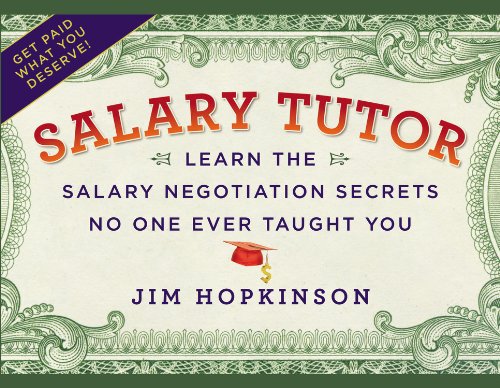
While other books or websites might list a few standard bullet points on the subject from an expert in the HR field, Jim takes a "novel approach," weaving interesting stories, case studies, graphs, humor, and personal experience.
4. Keep the Conversation Open
There are situations where the employer’s budget may exceed your expectations. Being too rigid can unintentionally cap your own offer.
After researching using reliable compensation resources and reviewing materials such as salary facts, keep flexibility in your wording:
“I’m looking for compensation aligned with market standards and the responsibilities of the role. If your range allows for higher based on performance and experience, I’d certainly be open to that discussion.”
This communicates confidence without boxing yourself in.
Evaluate the Full Compensation Package
Base salary is only one component of total compensation. Employers often structure offers to include:
- Performance bonuses or commission plans
- Retirement contributions or matching programs
- Healthcare coverage and dependent benefits
- Remote flexibility or hybrid schedules
- Professional development funding
Assess the entire package before deciding. A slightly lower base may be offset by growth opportunities, stability, or valuable benefits.
A compact glass desktop whiteboard that fits between your keyboard and monitor, offering a smooth dry-erase surface, hidden storage and device trays, and all included accessories to keep notes, tools, and your workspace neatly organized.

Know When to Walk Away
There is a difference between flexibility and undervaluing yourself. If the offered salary is significantly below market standards and the employer shows no willingness to adjust, reconsider whether the role aligns with your long term goals.
Accessing reputable compensation databases, job postings, and industry surveys makes it easier than ever to verify fair pay. If the number is consistently below benchmarks, it may signal deeper organizational issues.
At the same time, if you are early in your career or joining a smaller firm, you may decide that experience and advancement potential justify a modest starting salary. The key is making an informed decision, not a pressured one.
Stay Composed When Asked Directly
When the interviewer asks for an answer, pause briefly before responding. Reiterate enthusiasm for the role, then present your researched range confidently.
Your tone should convey professionalism and certainty. Avoid apologetic phrasing such as “I’m not sure” or “I guess.” Employers respect candidates who understand their value and communicate clearly.
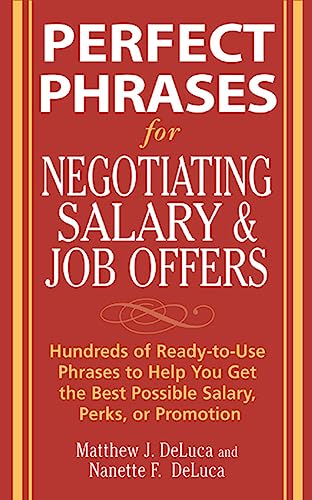
The latest guide in the top-selling, easy-to-use Perfect Phrases series gives you the correct vocabulary to use to get the best salary or job offer possible. Using words and phrases that take away the taboo surrounding the subject of money, you can ask for what you want-and deserve-with confidence.
Further Guidance & Tools
- BLS Pay Data: Use the Bureau of Labor Statistics Occupational Outlook Handbook to verify national wage data and job outlook information.
- Compensation Insights: Review Glassdoor salary insights for employer-reported pay ranges and interview trends.
- Market Benchmarks: Explore PayScale compensation reports for localized and experience-based salary data.
- Hiring Trends: Consult SHRM research articles to understand employer negotiation patterns.
- Labor Guidance: Reference the U.S. Department of Labor wage guidance for compliance and wage standards.
Next Steps
- Research Range: Identify the current compensation range for your role, location, and experience level using at least two reputable data sources.
- Set Floor: Establish a minimum acceptable salary before interviews to avoid pressured decisions during negotiations.
- Practice Response: Rehearse concise salary answers that express enthusiasm while clearly stating your researched range.
- Assess Package: Compare base pay, bonuses, benefits, and growth potential before accepting or declining any offer.
- Stay Strategic: Approach negotiations as a business discussion focused on value exchange rather than emotion.
Urmust Laptop Notebook Stand Holder Adjustable Laptop Stand Portable Computer Riser Compatible with MacBook Air Pro HP Dell XPS Lenovo All Laptops 10-15.6"(Black) : Electronics

Final Words
Discussing salary in an interview is not a confrontation but a professional conversation about value. With current market data, a clear salary range, and a composed delivery, you protect your earning potential while strengthening your credibility. Prepare thoroughly, communicate confidently, and evaluate offers holistically. When you negotiate from knowledge rather than fear, you position yourself for both financial growth and long-term career satisfaction.

Optimize your job search in minutes with 18 powerful tools
Build a standout resume, tailor it to every role, discover jobs you’ll love, and apply with one click — all in one place. Perfect for self-starters who want speed and flexibility.

Mark Fiebert is a former finance executive who hired and managed dozens of professionals during his 30-plus-year career. He now shares expert job search, resume, and career advice on CareerAlley.com.