- Key Takeaways
- Prepare for the Modern Teacher Interview
- Research the School and Build Evidence
- Demonstrate Classroom Readiness
- Explain Your Teaching Philosophy and Growth
- Handle Difficult Questions Professionally
- Prepare a Strong Demonstration Lesson
- Manage Nerves and Ask Better Questions
- Further Guidance & Tools
- Next Steps
- Final Words
- Additional Resources
We may earn a commission if you click on a product link and make a purchase at no additional cost to you. For more information, please see our disclosure policy.
Last updated: June 20, 2026

Key Takeaways
- Research the school: Connect your teaching approach to the school’s mission, student population, curriculum priorities, and expectations for the specific role.
- Prove your impact: Prepare concise examples showing how you improved engagement, managed challenges, supported diverse learners, and used evidence to adjust instruction.
- Practice the lesson: Build a demonstration lesson with a clear objective, active participation, checks for understanding, differentiation, and a realistic closing assessment.
- Address technology responsibly: Explain how digital tools and AI can support learning while protecting student privacy, academic integrity, accessibility, and teacher judgment.
- Evaluate the employer: Ask targeted questions about leadership, collaboration, curriculum support, student needs, professional development, and the realities of the available position.
Prepare for the Modern Teacher Interview
Securing a teaching position requires more than reciting a philosophy statement. Schools want evidence that you can plan instruction, manage a classroom, support different learners, collaborate, and communicate with families. The process may include a panel interview, demonstration lesson, portfolio review, writing task, or virtual meeting.
Make your experience easy to evaluate. Review the job description, confirm certification requirements, and prepare examples tied to the school’s needs. General teaching career guidance can explain the hiring process, but role-specific research and practiced evidence will make your candidacy more persuasive.
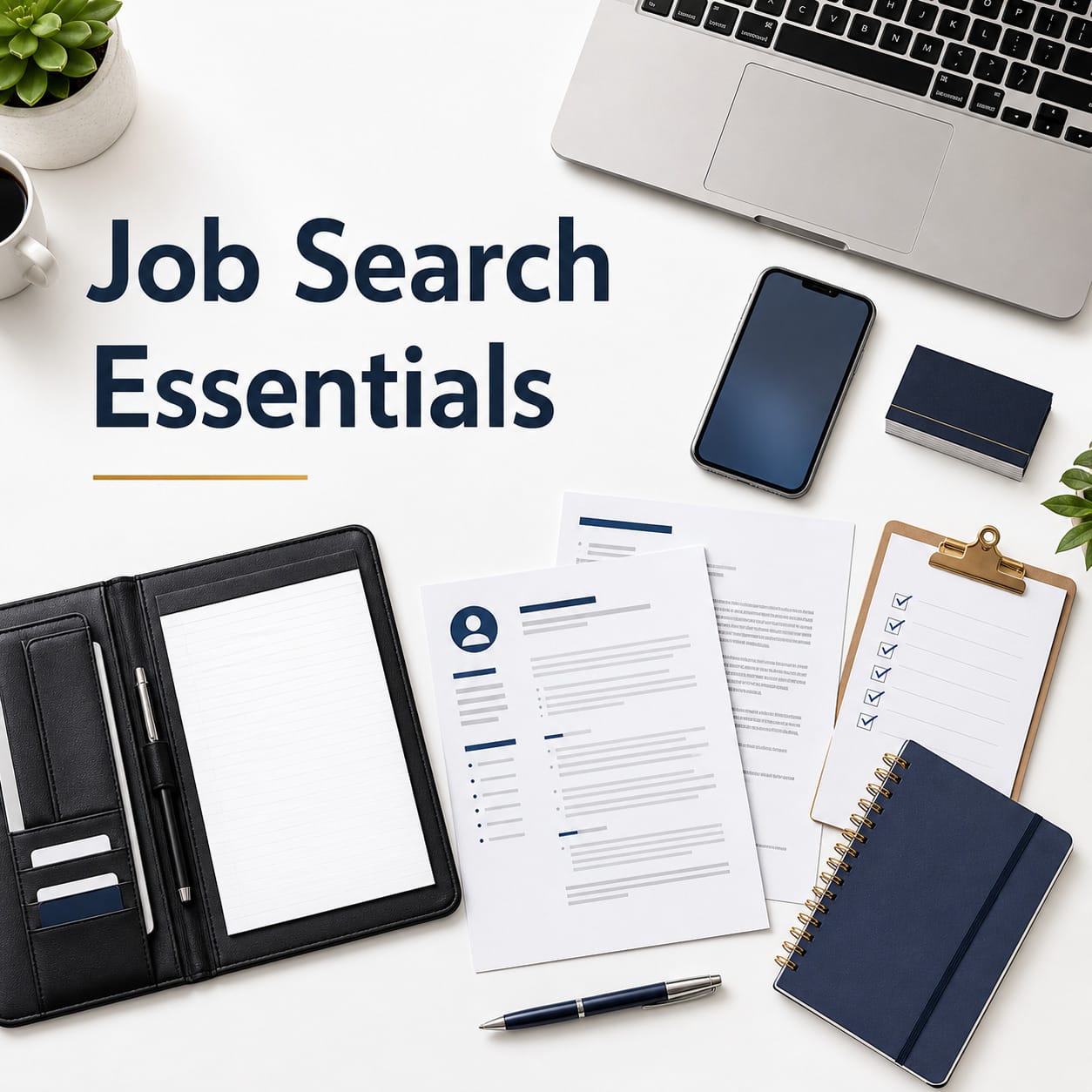
Job search essentials curated to help you prepare, stay organized, improve your resume, and approach interviews with more confidence.

Research the School and Build Evidence
Study the school and district websites, curriculum pages, student services, announcements, and public improvement goals. Identify key priorities, then connect two or three to your experience. This supports acing the interview because you can replace vague claims with school-specific answers.
Explain how your teaching style fits the role without pretending every school is identical. Acknowledge the required curriculum while showing how you make learning clear, rigorous, relevant, and accessible. Materials about teaching can refresh foundational concepts, but your examples must reveal what you actually did.
- Classroom management: Show how you establish routines, prevent disruptions, reinforce expectations, and respond calmly when behavior affects learning.
- Student engagement: Describe a lesson that required active thinking, meaningful participation, and adjustments based on student responses.
- Differentiation: Explain how you removed barriers, provided appropriate support, and maintained worthwhile goals for different learners.
- Assessment: Demonstrate how student work, observation, questioning, or assessment data led you to change instruction.
- Reflection: Discuss a setback, the feedback you received, and the specific improvement you made afterward.

Unlock the Power of AI in Your English Classroom: Your Practical Guide to ChatGPT, Gemini, and Grok
Demonstrate Classroom Readiness
Interviewers want to understand how your decisions affect students. Discuss subject mastery, classroom culture, planning, assessment, family communication, and support for varied learners. Resources about a modern teaching career should become concrete classroom choices rather than abstract educational language.
Discuss technology as part of sound instruction, not as a collection of impressive tools. Explain how you select it for a learning purpose, provide accessible alternatives, protect student information, and judge whether it improves understanding. If AI comes up, connect your answer to district policy, privacy, verification, academic integrity, student thinking, and human oversight. Strong teaching depends on judgment, not novelty.
- Collaboration: Give an example of productive collaboration with teachers, specialists, administrators, or families.
- Inclusivity: Explain how you plan for learner variability, remove barriers, and maintain meaningful expectations for every student.
- Communication: Show how you explain concerns clearly, listen carefully, document important information, and keep conversations focused on student success.
Explain Your Teaching Philosophy and Growth
Your philosophy should guide decisions about learning, relationships, expectations, and equity. Explain what you believe, then prove it with an example. Schools need teachers who can follow shared expectations while using professional judgment to make instruction responsive and effective.
Show that professional growth is ongoing. Discuss recent training, mentoring, peer collaboration, curriculum work, or a goal you are actively pursuing. Candidates exploring advanced recognition through resources about teaching should connect that ambition to better student outcomes, stronger reflection, and useful contributions to colleagues.

We’re with you until you land your next job — placement support guaranteed. Four expert services. One simple fee. This personal, done-for-you, job placement support service has everything you need to find your next role.
Handle Difficult Questions Professionally
Expect questions about conflict, failure, difficult behavior, family concerns, workload, and feedback. Do not turn every setback into a perfect success story. Describe what happened, what you changed, and what you learned. General guidance on becoming a teacher can support preparation, but legal and certification questions should be checked against current official requirements in your location.
Questions about protected personal characteristics may be inappropriate. Redirect politely toward your qualifications, availability, or ability to perform the role. For unusual prompts, listen carefully before answering. If asked how colleagues would describe you using only adjectives and adverbs, choose accurate words you can support with examples rather than offering a list of flattering labels.
Prepare a Strong Demonstration Lesson
A demonstration lesson should make your thinking visible. Set a measurable objective, activate prior knowledge, explain the task, involve learners quickly, check understanding, and close with evidence of learning. Include support and added challenge, practice within the time limit, and prepare for missing technology or materials.
Cross-reference your plan with the assigned grade, standards, curriculum, and instructions rather than copying a generic activity. Resources such as these kindergarten lesson plans can provide ideas, but every choice should fit the objective, learner age, setting, and available time. Be ready to explain your decisions and describe what you would adjust after seeing student responses.
Manage Nerves and Ask Better Questions
Preparation should increase confidence, not exhaust you. Rehearse key stories aloud, record one practice session, test virtual interview equipment, organize documents, and stop making major changes the night before. You cannot control every question, but you can arrive rested and ready to make an impression grounded in substance rather than nervous overexplaining.
End with questions that reveal how the school operates. Ask how new teachers are supported, how teams plan, how feedback is delivered, what challenges the incoming teacher should address, and how success is measured. You are also evaluating leadership, workload, resources, and culture.
Further Guidance & Tools
- Hiring Questions: Review the EEOC guidance on interview questions to understand which personal topics employers should generally avoid.
- Technology Standards: Use the ISTE Standards for Educators to strengthen answers about digital learning, collaboration, assessment, privacy, and professional growth.
- Inclusive Design: Explore the CAST UDL Guidelines for practical ways to discuss learner variability, accessibility, engagement, and instructional barriers.
- AI Guidance: Consult the U.S. Department of Education AI guidance when preparing to discuss responsible and secure AI use.
- Professional Learning: Review the Standards for Professional Learning to frame your commitment to evidence, collaboration, implementation, and continuous improvement.
Next Steps
- Study: Review the school’s mission, student needs, curriculum priorities, job description, and recent initiatives, then identify three direct connections to your experience.
- Prepare: Write six brief interview stories covering instruction, management, assessment, inclusion, collaboration, and a professional setback that changed your practice.
- Rehearse: Practice answers aloud and record one session so you can remove vague language, unnecessary detail, and unsupported claims.
- Demonstrate: Build and time a short lesson that includes participation, differentiation, checks for understanding, and a clear measure of learning.
- Question: Bring four thoughtful questions that help you assess leadership support, team culture, expectations, resources, and the position’s most urgent priorities.
Final Words
A strong teacher interview is not a performance built on perfect phrases. It is a structured opportunity to show how you think, teach, respond, collaborate, and learn. Research the school, select evidence that demonstrates your judgment, prepare for multiple interview formats, and connect every answer to student learning. When your examples are specific and your questions are thoughtful, you give the hiring team a credible picture of the educator you will be after the interview ends.
Additional Resources
-
 $19.99Learn More
If you want to become a better teacher, then get this step-by-step "How To Be a Great Teacher" guide.
We earn a commission if you click this link and make a purchase at no additional cost to you.
03/04/2026 02:00 am GMT -
 $49.75Learn More
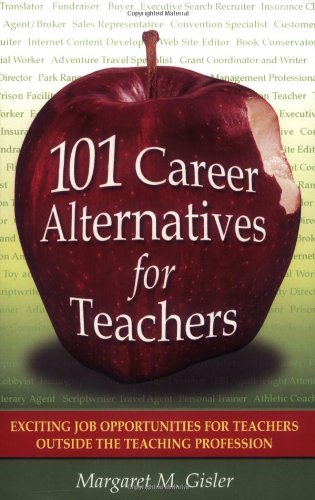
More than 100 exciting job alternatives ranging from adventure travel specialist to wedding consultant. Exciting Job Opportunities for Teachers Outside the Teaching Profession
We earn a commission if you click this link and make a purchase at no additional cost to you.
03/04/2026 07:05 am GMT -
 $9.95Learn More
As a teacher, you are already doing an excellent job in the classroom. Nevertheless, with the implementation of No Child Left Behind, and as more states encourage validation of teaching effectiveness, NBPTS certification remains the one standard by which you can establish unquestioned credibility.
We earn a commission if you click this link and make a purchase at no additional cost to you.
04/26/2026 05:01 pm GMT -

$200.00$183.01Learn MoreWith a bright and engaging writing style that enlists the voices from experts as well as novices, Becoming a Teacher explores what it means to be a professional teacher in today’s climate of accountability, high-stakes testing, and changing legislation.
We earn a commission if you click this link and make a purchase at no additional cost to you.
03/04/2026 07:03 am GMT -
 $13.99Learn More
This highly-rated teacher book provides valuable, classroom-tested strategies and expert advice for all stages of teaching.
Use Road to Teaching as a resource to navigate the unique stages of becoming an educator and helping you standout in today's competitive job market.
We earn a commission if you click this link and make a purchase at no additional cost to you.
03/04/2026 04:03 pm GMT -
 $9.99Learn More
Andrew and the Lonely Pumpkin is a warm, gentle picture book about friendship, kindness, and noticing those who feel left out.
With soft, expressive illustrations and simple, heartfelt storytelling, this book invites young readers to explore empathy, inclusion, and compassion in an age-appropriate way.
We earn a commission if you click this link and make a purchase at no additional cost to you.
03/04/2026 01:00 am GMT -
 $14.00Learn More
Whether you already are a Damn Good Teacher or are hoping to be, this book is a fun one. From the very start, you sense that the professional advice and encouragement here is down-to-earth.
We earn a commission if you click this link and make a purchase at no additional cost to you.
03/04/2026 07:05 am GMT -
 $9.99Learn More
Spencer, Lucy and the Lost Fox Kit is a heartwarming picture book about kindness, courage, and helping others when they need it most.
While playing near Woodwild Park, Spencer and Lucy hear a mysterious sound coming from the forest. Following their curiosity, they discover a lost fox kit far from home. With teamwork, patience, and a little bravery, the siblings set off on a gentle adventure to reunite the fox with its family.
We earn a commission if you click this link and make a purchase at no additional cost to you.
03/04/2026 01:00 am GMT

Mark Fiebert is a former finance executive who hired and managed dozens of professionals during his 30-plus-year career. He now shares expert job search, resume, and career advice on CareerAlley.com.