We may earn a commission if you click on a product link and make a purchase at no additional cost to you. For more information, please see our disclosure policy.
Last updated: May 9, 2025
Key Takeaways
- Start With Targeted Research: Identify companies that align with your goals and explore their dedicated entry-level or college graduate career pages.
- Use Internships Strategically: Post-grad internships offer a path to full-time roles by helping you build experience and industry-specific skills.
- Leverage Campus Resources: College recruiting offices remain valuable post-graduation, offering job leads, resume support, and employer connections.
- Perfect
Your Resume and Interview Skills: A strong resume gets attention, but polished interview skills help seal the deal with potential employers. - Embrace New Tools and Learning: Virtual internships and online courses expand your qualifications and make you more marketable in a competitive job market.
Congratulations on graduating from college! Now it’s time to land your first job in your field of study. However, finding a job after college can be a daunting task. Employers often look for experienced hires, and finding entry-level positions is difficult. But don’t worry, there are plenty of strategies you can use to find the perfect entry-level job for you.
One excellent resource is the career or recruiting page of almost every Fortune 1000 company. Many of these companies have dedicated pages for university graduates or college students. These pages often list internships and entry-level job opportunities that could fit you well.
Resumeble is a certified professional career consultancy that writes human-crafted, ATS-optimized resumes from scratch—strictly zero AI-generated templates. Ranked #1 by Forbes Vetted and the New York Post, our certified writers help job seekers land up to 3x more interviews with tailored resumes, cover letters, and LinkedIn profile overhauls delivered within 4 business days.

Company Career Sites
When finding entry-level jobs, it’s essential to start by doing your research. Most companies have a career page and sections for college grads or entry-level positions. Begin by making a list of companies you would like to work for, including those in your industry and companies that are leaders in their field.
Next, be sure to leverage your personal and professional networks. Talk to friends, family, professors, and former colleagues to see if they know of any entry-level job opportunities or if they can refer you to someone who does. Attending job fairs and industry events is also good, as they provide valuable opportunities to network with recruiters and potential employers.
When searching for entry-level jobs, listing the companies where you want to work is the first step. Once you have your list, go to each company’s website and check the bottom of the page for a careers section. Look for Entry Level, College, Careers, or University pages. Better yet, search for the company and include “entry-level jobs” in the search to get more specific results.
The traditional “click, review, apply, and pray” approach to online job hunting is increasingly ineffective because job postings attract huge numbers of applicants. To compete in today’s difficult job market, job seekers need more creative, targeted strategies that go beyond simply submitting applications online.

Many companies offer programs specifically designed for recent graduates, such as internships or management training programs. These programs can help you gain valuable experience and make connections in your industry. Don’t be afraid to apply for positions that may not be a perfect match for your skills or experience, as they can provide an opportunity to gain knowledge and learn new skills.
Internships
Internships are not just for college students. While interning during your college career is a fundamental strategy, you can still leverage internships after graduation if you don’t have a full-time job lined up. You can also get an internship to get the experience you need to land your “real” job after graduation.
Discover the seminal book on turning your internship experience into a career-building launchpad for your future. Author Eric Woodard, who got his start as a star intern in the White House, has mentored hundreds of interns as they transition in their careers to something bigger and better.

College Recruiting Offices
Your college recruiting office is a valuable resource that you shouldn’t overlook. Even after graduation, they can assist. Companies frequently contact college career offices in search of recent graduates. Moreover, they have the tools you need to create your
Your Resume
To get noticed by potential employers,
Interview skills
Interview skills are essential when it comes to finding a job.
The interviewer will evaluate how you present yourself during the interview, from your body language to your responses to the questions. Therefore, it is crucial to be well-prepared for the interview, to have a clear understanding of the company and the job requirements, and to practice your interview skills beforehand.
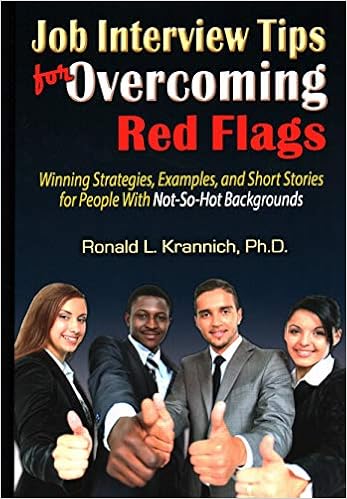
Most people have one or two red flags in their background – some minor and embarrassing, others major job killers. Given today's high-tech world, with its rapid communication and instant background checks, your red flags may follow you wherever you go.
Leverage AI-Powered Job Search Tools
In today’s competitive job market, utilizing advanced tools can significantly enhance
Expand Your Skill Set Through Online Learning
Continuous learning is crucial for staying competitive in the job market. Online courses and certifications can help you acquire new skills or deepen existing ones, making you a more attractive candidate to employers. Platforms like Coursera, Udemy, and edX offer various courses across various fields. Investing time in learning demonstrates initiative and a commitment to professional growth, qualities employers highly value.
Get 10X more Job Interviews with JobCopilot. 87% of JobCopilot users report more interview invitations within 2 weeks. Automatically apply to jobs from 50,000+ companies worldwide

Utilize Virtual Internships to Gain Experience
Virtual internships have become increasingly popular, offering flexible opportunities to gain practical experience remotely. These internships are especially beneficial for recent graduates seeking to build resumes and develop professional skills. To make the most of virtual internships, consider the following strategies:
- Set Clear Goals: Define what you aim to achieve during the
internship to stay focused and motivated. - Maintain Regular Communication: Stay in touch with your supervisor and team to ensure alignment and receive feedback.
- Document Your Work: Keep records of your projects and accomplishments to showcase your contributions.
- Seek Feedback: Regularly ask for performance input to identify improvement areas.
Attend Industry-Specific Career Fairs
Participating in career fairs tailored to your industry can provide valuable networking opportunities and insights into potential employers. These events often feature company representatives who can offer information about job openings, company culture, and hiring processes. To maximize the benefits of attending career fairs, consider the following tips:
- Research Participating Companies: Familiarize yourself with the organizations attending to tailor your approach.
- Prepare Your Elevator Pitch: To introduce yourself effectively, develop a concise summary of your background and career goals.
- Bring Updated Resumes: Have multiple copies of
your resume ready to share with potential employers. - Follow-up Post-Event: Send thank-you emails to contacts made during the fair to reinforce your interest.

Next Steps
- Build a Target Company List: Identify employers aligned with your career goals and explore their entry-level programs and graduate hiring initiatives.
- Apply for Post-Grad Internships: Use internships to bridge experience gaps and gain practical skills while continuing
your job search in parallel. - Use College Career Services: Even after graduation, your college’s career center can connect you with exclusive job leads and alumni referrals.
- Strengthen
Your Resume and Portfolio: Tailoryour resume for each role and include project work or volunteer experience that demonstrates initiative and job readiness. - Attend Virtual Career Fairs: Sign up for online job fairs to meet recruiters directly, ask questions, and discover unlisted opportunities across industries.
Final Words
Launching your career after college can be challenging, but having a clear plan and using every available resource makes a real difference. From internships and career centers to networking and skills development, each step brings you closer to landing the right opportunity. Stay focused, remain persistent, and don’t hesitate to explore creative paths to gain experience. With preparation, curiosity, and determination, you’ll build a foundation for long-term success in any field.
This concise guide prepares you to ace your job interview with expert tips, confidence-boosting strategies, and a curated appendix of essential job-seeking resources.




Mark Fiebert is a former finance executive who hired and managed dozens of professionals during his 30-plus-year career. He now shares expert job search, resume, and career advice on CareerAlley.com.