

- Key Takeaways
- Develop Your Musical Identity and Skills
- Market Yourself and Build an Audience
- Build Experience Through Live Performances
- Network and Develop Industry Relationships
- Create a Professional Music Portfolio
- Develop Multiple Sources of Music Income
- Manage Your Music Career as a Business
- Maintain Motivation and Handle Career Setbacks
- Further Guidance & Tools
- Next Steps
- Final Words
We may earn a commission if you click on a product link and make a purchase at no additional cost to you. For more information, please see our disclosure policy.
Last updated: November 10, 2026

Key Takeaways
- Develop Your Skills: Build a recognizable musical identity through focused practice, constructive feedback, ear training, and regular performance rather than relying on talent alone.
- Promote Strategically: Use streaming platforms, social media, professional connections, and direct communication to reach listeners without allowing promotion to dominate your schedule.
- Build Experience: Live performances, collaborations, and professional relationships help musicians develop confidence, demonstrate reliability, and discover opportunities that online promotion may not provide.
- Diversify Your Income: Combining performances, teaching, licensing, session work, and merchandise can provide greater financial flexibility than depending entirely on streaming revenue.
- Manage Your Career: Treat music as a professional pursuit by understanding expenses, protecting your work, evaluating opportunities, and maintaining realistic expectations about progress.
Building a successful music career requires more than musical ability. Whether you want to perform professionally, release original recordings, teach, or work independently, you need a practical approach to developing your skills, reaching audiences, and earning income.
A packed calendar of gigs can still leave a musician losing money. Before booking another show, compare fees with travel costs, protect practice time, and build income beyond streaming. See the smarter plan. #MusicCareerClick To TweetThe challenge is balancing artistic development with the professional responsibilities that make a career sustainable. Musicians must practice consistently, promote their work, build relationships, manage finances, and handle rejection without losing momentum. The following strategies show where to focus your efforts and how to make progress without relying on a single breakthrough.
Develop Your Musical Identity and Skills
A recognizable musical identity helps audiences understand what makes your work distinctive. Your sound, performance style, songwriting, and artistic presentation should reflect your strengths without limiting your exploration of different genres.
Musical development starts with deliberate practice. Rather than playing familiar material repeatedly, identify specific weaknesses and work on them systematically. That might mean improving vocal control, strengthening timing, developing improvisation skills, or becoming more comfortable with complex arrangements.
Regular practice is valuable, but effectiveness matters more than simply accumulating hours. Record yourself, review your performances, and seek constructive feedback. Private lessons and structured learning opportunities through Coursera can help musicians address specific weaknesses, develop technical abilities, and strengthen their professional skills.
Ear training is especially useful for performers who want to recognize melodies, intervals, harmonies, and rhythmic patterns more accurately. Listening closely to recordings and reproducing short passages can strengthen musical awareness. Reading notation and understanding basic music theory can also improve communication with other musicians, although the necessary level depends on your genre and career goals.
For pianists, studying compositions such as Le Onde by Ludivico Einaudi can provide opportunities to work on phrasing, coordination, and musical interpretation. The larger objective is to select progressively challenging material that develops the abilities required for your intended professional work.
When producing recordings, prioritize musical quality over expensive equipment. Strong arrangements, careful preparation, appropriate recording techniques, and thoughtful editing usually matter more than having the latest technology. A basic Pyle PMUX6 USB audio interface can connect microphones and instruments to a computer, while OneOdio Monitor 60 studio headphones can help you review takes and monitor audio during recording. Choose equipment based on what your projects actually require.
Market Yourself and Build an Audience
Musicians must make it easy for potential listeners, promoters, and collaborators to discover their work. Think of promotion as one part of your own business: you have something valuable to offer, a target audience, and limited resources to allocate.
Start with a professional online presence. Your website or artist landing page should provide representative recordings, upcoming performances, a short biography, and reliable contact information. Use consistent artist names, photographs, and descriptions across your platforms.
Concentrate on promotional channels that match your audience:
- Streaming Platforms: Distribute recordings through appropriate services and keep artist profiles accurate on Spotify, Apple Music, and other relevant platforms.
- Social Media: Share performance clips, new releases, and meaningful updates rather than producing content simply to maintain posting frequency.
- Email Marketing: Build a direct relationship with interested listeners through a mailing list you can maintain independently of social media algorithms.
- Local Publicity: Contact relevant publications, community radio programs, event organizers, and regional entertainment outlets when you have something worthwhile to announce.
For artists using SoundCloud, paid services that advertise real SoundCloud promotion are another option. Evaluate any such service carefully, particularly its audience quality, promotional methods, costs, and compliance with the platform’s rules. Purchased attention is not a substitute for genuine listener engagement.
Measure results using indicators that matter to your career: repeat listeners, mailing-list registrations, ticket sales, merchandise purchases, and booking inquiries. Large follower counts can be encouraging, but they do not automatically translate into income or a loyal audience.
Build Experience Through Live Performances
Live performances develop abilities that recordings and online promotion cannot fully replicate. Performing for an audience helps musicians improve stage presence, manage unexpected problems, communicate with listeners, and gain confidence.
Start with opportunities appropriate to your experience. Open mic nights, community events, small venues, and opening performances can provide useful exposure. Busking may also help develop performance skills where local regulations permit it.
As your audience grows, consider regional performances and collaborations with established local artists. Shared concerts can introduce your music to new listeners without requiring the expense of a major tour. Musicians who provide their own sound equipment may also consider a powered stage monitor, such as the Samson RSXM10A active stage monitor, after checking venue requirements and whether the investment is justified by upcoming bookings.
Evaluate each opportunity financially. Transportation, accommodations, equipment, rehearsal time, and promotional costs can exceed performance fees. An occasional low-paying engagement may provide useful experience or meaningful exposure, but repeated losses should not become your business model.
International performances require additional planning. Depending on the destination, nationality, and engagement, you may need immigration permission or work authorization. For example, certain professional engagements in the United States may require an artist’s visa. Verify the applicable requirements before accepting a booking or committing to travel expenses.
Network and Develop Industry Relationships
Professional relationships can lead to bookings, collaborations, referrals, mentoring, and access to experienced people who understand the music business. Networking works best when you develop genuine relationships rather than contacting people only when you need something.
Begin by networking with other musicians through performances, workshops, collaborations, and professional communities. Be interested in their work, follow through on commitments, and look for ways to contribute.
Professional networking skills extend beyond entertainment. Resources such as Strategic Connections: The New Face of Networking in a Collaborative World can help musicians think more deliberately about building professional relationships and maintaining useful connections.
When approaching venue managers, producers, booking agents, or collaborators, be specific in your communication. Explain who you are, provide representative music samples, describe your proposal, and show why it could benefit the recipient.
Reliability is an important professional advantage. Arriving prepared, communicating clearly, respecting agreements, and working cooperatively can influence whether someone wants to hire or recommend you again.
Create a Professional Music Portfolio
A music portfolio provides evidence of your abilities. Potential clients and collaborators should be able to understand your strengths without reviewing dozens of unrelated recordings.
Select materials that demonstrate the type of work you want to pursue. Useful components include performance videos, recorded tracks, songwriting samples, production credits, previous engagements, testimonials, and contact information.
For live performers, a concise electronic press kit can be particularly valuable. It should include a professional biography, representative recordings or videos, promotional photographs, and booking details. Recording clear vocal demos may call for a dedicated microphone, such as the FIFINE K669C studio condenser microphone, along with a compatible audio interface and a suitable recording space.
Some music-related positions require traditional application materials. If you are pursuing employment in education, administration, production, or another established organization, you may need to update your resume and prepare a relevant cover letter.
The distinction is straightforward: a booking agent generally wants proof of performance quality and audience appeal, while a prospective employer may also want employment history, qualifications, and evidence of dependable professional experience.
Develop Multiple Sources of Music Income
Most musicians should consider more than one potential income source. Relying entirely on recordings, streaming royalties, or occasional performances can expose you to substantial fluctuations in earnings.
Possible revenue streams include:
- Live Performances: Earn fees from clubs, private events, festivals, weddings, and other paid engagements.
- Music Lessons: Teach instruments, vocals, songwriting, or production skills in person or online.
- Session Work: Provide instrumental, vocal, arranging, recording, or production services to other artists.
- Music Licensing: Explore opportunities to license original compositions or recordings for film, television, advertising, and other productions.
- Merchandise: Sell physical products when audience demand justifies manufacturing, inventory, and fulfillment costs.
Different income sources require different skills and commitments. Teaching can provide relatively predictable appointments but requires preparation and scheduling. Session work may offer flexibility but depend on professional contacts and project availability. Merchandise involves upfront expenses and potential unsold inventory.
Compare opportunities using net earnings rather than gross receipts. A profitable private lesson may be more valuable than a distant performance that requires several hours of travel and transporting expensive equipment.
Music careers also differ from conventional salaried employment. The U.S. Bureau of Labor Statistics notes that musicians and singers frequently have irregular schedules and may experience periods without work. These realities make financial planning and flexible income sources particularly important.
Manage Your Music Career as a Business
Musical achievement and financial sustainability are different objectives. Building a viable career means understanding what you earn, what you spend, and which activities justify your time investment.
If you are considering launching a professional music venture, compare the flexibility of independent work with the financial predictability of conventional employment. CareerAlley’s guide to choosing between a job and a business can help frame that decision. Running a music business also brings responsibilities for expenses, contracts, insurance, and recordkeeping.
For example, a professional DJ may need reliable sound equipment, transportation, backup arrangements, and written client agreements. A Gemini Sound GMX DJ controller is one equipment option for a mobile DJ setup, but software compatibility and client needs should guide purchasing decisions. Depending on the circumstances, DJ business insurance may help address certain operational risks. Coverage depends on the policy and the activities performed.
Keep records of income, equipment purchases, travel costs, advertising expenses, and other business expenditures. Establish clear payment terms before performances and use written agreements when appropriate.
Musicians who write, record, or license original music should also understand the distinction between composition rights and sound recording rights. Ownership, royalties, permissions, and contract terms can substantially affect future earnings. Obtain qualified legal guidance before entering significant or complicated rights agreements.
Review your finances periodically. Identify which services generate meaningful earnings, which promotional activities lead to paying opportunities, and which expenses are difficult to recover. Use that information to adjust your strategy instead of simply working longer hours.
Maintain Motivation and Handle Career Setbacks
Rejection is part of professional music. Songs may not be selected, auditions may be unsuccessful, performances may be canceled, and recordings may attract less attention than expected. These outcomes are disappointing, but they don’t always reflect the musician’s quality.
Separate what you control from what you cannot. You can improve your preparation, refine recordings, expand your professional network, and pursue more suitable opportunities. You cannot guarantee that a promoter, employer, or audience will respond as you hope.
Understanding motivation can help you build routines that support consistent effort. Establish practical goals, divide larger projects into manageable tasks, and review your progress without expecting immediate results.
The principles discussed in CareerAlley’s The Secrets Of Self-Motivation For Jobseekers also apply to musicians managing repeated applications, auditions, and professional setbacks.
Persistence does not mean repeating an unsuccessful strategy indefinitely. If a promotional campaign consistently produces little engagement or a particular type of venue is unsuitable for your music, make adjustments based on the evidence.
Maintain a realistic schedule that includes practice, creative work, promotion, administration, and recovery. Musicians who accept every opportunity or spend excessive time promoting themselves can lose the capacity to produce the work that supports their careers.
Further Guidance & Tools
- Career Information: The Bureau of Labor Statistics musicians and singers profile explains occupational duties, employment conditions, training, and labor-market prospects.
- Artist Promotion: Spotify for Artists provides tools for managing artist profiles, understanding listeners, and promoting eligible releases.
- Business Planning: The U.S. Small Business Administration provides guidance on evaluating business ideas, planning operations, and preparing for self-employment.
Next Steps
- Assess Your Skills: Review recent performances or recordings, identify two specific weaknesses, and establish a weekly practice schedule to address them.
- Update Your Portfolio: Select your strongest recordings and performance samples, refresh your professional biography, and verify that prospective clients can contact you.
- Target Opportunities: Research five suitable venues, collaborators, or potential clients and prepare personalized outreach supported by relevant examples of your work.
- Review Your Finances: Record music-related income and expenses, identify your most profitable activities, and assess whether an additional revenue source makes sense.
- Evaluate Progress: Establish measurable goals for the next three months and review your development, audience engagement, and professional opportunities before adjusting your approach.
Final Words
A sustainable music career develops through consistent improvement and informed professional choices. Your priorities may change as you move from learning your craft to finding audiences, securing bookings, and managing more complex business arrangements. The key is recognizing which opportunities support your long-term ambitions and which simply consume resources. Protect your creative time while building the professional habits that keep your music a meaningful part of your working life.
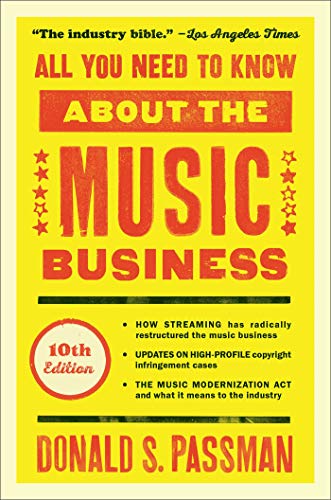
Donald Passman leads novices and experts alike through what has been the most profound change in the music business since the days of wax cylinders and piano rolls.


Mark Fiebert is a former finance executive who hired and managed dozens of professionals during his 30-plus-year career. He now shares expert job search, resume, and career advice on CareerAlley.com.
Discover more from CareerAlley
Subscribe to get the latest posts sent to your email.

