- Key Takeaways
- Understand What Farming Work Is Really Like
- Consider Your Physical Condition And Lifestyle
- Decide What Kind Of Farming Career You Want
- Build A Farm Business Plan Before Making Major Investments
- Know How You Will Make Money
- Track Costs And Protect Cash Flow
- Be Careful About Land, Equipment, And Other Investments
- Learn Your Land, Resources, And Production Requirements
- Understand Financing Before You Borrow
- Use Insurance And Risk Management
- Do Not Try To Learn Everything Alone
- Plan Labor And Your Work Schedule
- Decide Whether Farming Fits Your Career Goals
- Further Guidance & Tools
- Next Steps
- Final Words
- Additional Resources
We may earn a commission if you click on a product link and make a purchase at no additional cost to you. For more information, please see our disclosure policy.
Last updated: September 8, 2026
Key Takeaways
- Career Fit: Farming combines physical work, business management, financial risk, and long hours, so understand the lifestyle before committing.
- Learn First: Practical experience with crops, livestock, equipment, markets, and farm finances is often more valuable than jumping directly into ownership.
- Plan Carefully: A realistic farm business plan should address land, production, customers, operating costs, financing, insurance, labor, and expected cash flow.
- Expect Variability: Farm income can fluctuate with commodity prices, weather, production costs, yields, and market conditions, making financial reserves and risk management important.
- Use Resources: Beginning farmers can access USDA programs, experienced producers, agricultural extension services, digital tools, and professional advisers rather than learning everything alone.
Becoming a farmer can mean building a career, owning a business, managing land, producing food, and taking responsibility for decisions whose results may not be known for months. That combination can make farming rewarding, but it also makes it very different from simply choosing another occupation.
The most important question is not whether farming sounds appealing. It is whether the work, lifestyle, financial realities, risks, and responsibilities fit what you want from your career. Before buying land, equipment, or livestock, aspiring farmers should gain practical experience, understand their intended market, estimate realistic costs and income, and decide how they will manage the operation as a business.
Understand What Farming Work Is Really Like
Farming is both physical and managerial work. Depending on the operation, a farmer may plant and harvest crops, care for livestock, operate machinery, maintain buildings, buy supplies, negotiate with buyers, supervise workers, keep financial records, market products, and make decisions about weather, pests, soil, equipment, and production schedules.
The U.S. Bureau of Labor Statistics describes farmers, ranchers, and other agricultural managers as workers who run establishments producing crops, livestock, and dairy products. The work is often physically demanding, frequently takes place outdoors, and may require long hours during planting and harvesting seasons.
This is one reason practical exposure matters before making farming your full-time career. Working for an established farm, helping with a family operation, completing an agricultural program, or learning from an experienced producer can show you what the job actually requires. Farming knowledge develops through experience with plants, soils, animals, machinery, markets, weather, and local conditions rather than through one short period of training.
Consider Your Physical Condition And Lifestyle
Farming can involve lifting, bending, walking over uneven ground, operating machinery, working around animals, and spending hours outdoors. The intensity varies enormously between operations, but technology has not eliminated the physical side of agriculture.
Schedules can also be unpredictable. Crop farmers may face extremely long days during planting and harvest. Livestock producers must care for animals every day. Equipment failures, storms, disease, irrigation problems, or other emergencies may not happen conveniently during normal working hours.
Before pursuing farming, consider whether you are comfortable with seasonal workload changes, outdoor conditions, early mornings, physical work, and responsibilities that may continue through weekends and holidays. Someone attracted primarily by the idea of escaping an office may find that farming replaces one type of pressure with several others.
Decide What Kind Of Farming Career You Want
“Farmer” covers many different businesses. Some operations focus on field crops, while others raise livestock, grow produce, operate greenhouses, manage orchards, produce specialty foods, or combine several activities. Agriculture also includes areas such as aquaculture and beekeeping. CareerAlley’s guide to careers in agriculture, forestry, fishing and hunting provides a broader look at opportunities within these fields.
Your choice affects nearly everything that follows: land requirements, equipment, startup capital, labor, regulations, insurance, production cycles, customers, and potential income sources.
Start by identifying what you expect the farm to produce and who will buy it. A farm designed to sell vegetables directly to local consumers has a very different operating model from a grain operation selling commodity crops. Likewise, a livestock operation has different daily responsibilities and infrastructure requirements from an orchard.
The objective is not simply to choose something you enjoy producing. You need an operation whose production requirements, market opportunity, cost structure, and lifestyle demands work together.
Build A Farm Business Plan Before Making Major Investments
Plan a farm as a business from the beginning. Your plan does not need to predict every future development, but it should force you to answer the questions that determine whether the operation has a realistic chance of supporting itself.
At minimum, consider:
- What crops, livestock, or other products will the farm produce?
- Who are the likely customers or buyers?
- How much land will the operation require, and will you buy, lease, or rent it?
- What buildings, equipment, vehicles, fencing, irrigation, storage, or other infrastructure will be needed?
- What are the expected production and operating costs?
- How much working capital will be needed before revenue arrives?
- Will you need employees, contractors, family labor, or seasonal help?
- How will products reach customers?
- What insurance and risk-management protection will the operation require?
- How much farm income would be needed to support your personal living expenses?
The U.S. Department of Agriculture emphasizes business planning for beginning farmers because a plan helps organize the operation, define goals, evaluate finances, and prepare for financing discussions. It should also evolve. Review a farm business plan as production, markets, expenses, and long-term objectives change.
Know How You Will Make Money
Farming can provide a livelihood, but you should not treat it as guaranteed income. Revenue and profit depend heavily on what you produce, your costs, productivity, scale, market access, debt, weather, and selling prices.
The Bureau of Labor Statistics reported a May 2025 median annual wage of $89,900 for farmers, ranchers, and other agricultural managers. That figure should be interpreted carefully by someone considering farm ownership. Farm-owner income can vary substantially from year to year, and occupational wage statistics do not tell you what a particular new farm will earn.
Farmers may sell through wholesalers, processors, auctions, farmers markets, retailers, community-supported agriculture programs, or directly to consumers. Some operations pursue multiple revenue sources rather than depending on one product or market.
Direct marketing can improve pricing control for some producers, although it adds work in sales, customer relationships, packaging, transportation, and marketing. One example of this approach is selling things from your farm.
The useful question is not simply, “How much can farmers earn?” It is, “Can this particular operation produce enough revenue, at realistic prices and costs, to cover operating expenses, debt, reinvestment, taxes, and personal income needs?”
Track Costs And Protect Cash Flow
Good financial records are essential because agriculture can involve significant upfront spending long before products are sold. Seed, feed, fertilizer, fuel, equipment repairs, veterinary services, utilities, labor, transportation, insurance, loan payments, and other expenses can quickly consume cash.
Tracking your spending lets you compare actual costs with your plan and determine whether particular crops, livestock, or sales channels are genuinely profitable.
Do not confuse revenue with profit. A farm can sell a substantial amount of product while still struggling financially if production expenses, debt payments, equipment costs, or losses consume most of the revenue.
Build projections that account for both business expenses and household needs. It can also be valuable to model an unfavorable scenario. Consider what happens if yields are lower than expected, input costs increase, equipment fails, or prices decline. A plan that works only when everything goes right is not much of a plan.
Be Careful About Land, Equipment, And Other Investments
One of the easiest ways to put pressure on a new farm is to commit too much capital too early. Land, tractors, buildings, livestock, irrigation systems, storage facilities, and specialized equipment can all require substantial investment.
Separate what you need immediately from what would simply be convenient to own. Leasing land, buying appropriate used equipment, sharing machinery, contracting certain work, or expanding gradually may be more sensible than purchasing everything at startup.
Technology also deserves the same cost-benefit analysis. Digital recordkeeping, farm-management software, mapping tools, sensors, automated systems, and calculators can improve decision-making, but a tool should solve a real problem rather than become another expense.
For example, growers estimating corn production can use tools such as the corn yield calculator formula to help estimate potential yield. The broader principle is to choose technology based on what it helps you measure, predict, automate, or manage.
Learn Your Land, Resources, And Production Requirements
A farm’s productive capacity depends on factors you can’t evaluate from a generic business plan alone. Soil, water, climate, topography, acreage, buildings, available labor, local infrastructure, and nearby suppliers all matter.
Before committing to an operation, understand what your land can realistically support and what resources you must bring in from elsewhere. Livestock may require purchased feed. Crops may require irrigation, storage, specialized equipment, or particular soil conditions. Transportation costs can become significant when suppliers, processors, or customers are far away.
Research also matters when evaluating new methods and technologies. An older discussion of technology and younger producers can be found in this Forbes article about becoming a farmer. However, technology should complement local agricultural knowledge rather than replace it.
Understand Financing Before You Borrow
Access to capital is a major challenge for beginning farmers. Depending on the operation, you may need financing for land, equipment, livestock, buildings, supplies, or operating expenses before revenue begins.
Start with the business plan, not the loan. Determine how much capital is actually required, what the money will purchase, how the investment contributes to production or revenue, and what cash flow will support repayment.
The USDA offers programs and resources for beginning farmers, including certain farm-loan options. Eligibility and terms depend on the program and the producer’s circumstances, so don’t assume government assistance in financial projections.
Private lenders, farm-credit institutions, investors, partnerships, personal capital, and leasing arrangements may also play roles. Whatever the source, understand the repayment obligations and how much financial flexibility remains if the first few seasons perform below expectations.
Use Insurance And Risk Management
Agriculture involves risks that ordinary business planning cannot eliminate. Weather, fire, machinery accidents, livestock losses, crop problems, property damage, liability claims, and other events can threaten an operation.
Insurance needs depend on what the farm owns, produces, employs, and sells. Consider property coverage, liability protection, vehicle and equipment coverage, workers’ compensation (where applicable), and agricultural crop or livestock programs.
Do not treat insurance as a single checkbox. Work with appropriate insurance and agricultural professionals to identify the risks associated with your specific operation and location. Federal crop-insurance and risk-management programs also have detailed eligibility and participation rules that you should verify before relying on them.
Do Not Try To Learn Everything Alone
Being your own boss does not mean working in isolation. Farming requires expertise across areas that may include production, machinery, soil, livestock,
An experienced farmer can help you recognize mistakes before they become expensive. Agricultural extension professionals, veterinarians, crop advisers, accountants, lenders, mechanics, insurance professionals, and other specialists can provide expertise that would take years to develop on your own.
Working for another producer before launching your own farm can be especially valuable. It gives you exposure to production cycles, difficult seasons, maintenance problems, purchasing decisions, and the less glamorous work that rarely appears in descriptions of the farming lifestyle.
Plan Labor And Your Work Schedule
A farm’s labor requirements can change sharply by season. Decide which tasks require you personally, which you can schedule, and which you can delegate to employees, contractors, or family members.
An organized daily work schedule can help coordinate recurring work with longer-term priorities. Calendar systems, task lists, maintenance schedules, production records, and other basic management tools can be as important as specialized agricultural technology.
Also plan for what happens when someone is unavailable. An operation that depends entirely on one person can become vulnerable to illness, injury, family emergencies, or unexpected workload spikes. Even very small farms benefit from knowing who can help with essential tasks when necessary.
Decide Whether Farming Fits Your Career Goals
Farming can provide independence, meaningful work, and the opportunity to build an asset and business over time. But being your own boss doesn’t mean unlimited freedom. Crops, livestock, customers, lenders, employees, weather, and production schedules create their own deadlines.
A useful way to evaluate the career is to separate the attraction of farming from the realities of operating a farm. Ask yourself whether you want to manage the business as much as you want to perform the agricultural work.
- Are you comfortable with physically demanding and sometimes unpredictable work?
- Do you have relevant practical experience, or a realistic way to gain it?
- Can you identify a product and market with viable economics?
- Do you understand the capital and ongoing operating costs?
- Can you tolerate income variability and financial risk?
- Are you willing to manage records, finances, marketing, maintenance, insurance, and compliance as well as production?
- Do you have access to experienced people who can advise or assist you?
If several of those questions are difficult to answer, that does not necessarily mean farming is the wrong career. It means the next step should probably be gaining experience and building a more detailed plan rather than making a major investment.
Further Guidance & Tools
- Career Outlook: Review the Bureau of Labor Statistics overview of farmers, ranchers, and agricultural managers for current duties, work conditions, education, pay, and employment projections.
- Starting A Farm: Use the USDA beginning farmer and rancher resources to explore planning, financing, service centers, programs, and assistance for new producers.
- Farm Taxes: Consult the IRS Farmer’s Tax Guide for federal tax information specific to farming businesses and agricultural income and expenses.
Next Steps
- Get Experience: Work or volunteer on an established farm long enough to understand seasonal workloads, production challenges, equipment, and daily responsibilities.
- Choose A Model: Identify what you would produce, who would buy it, what resources it requires, and why the operation could be viable.
- Build A Budget: Estimate startup costs, recurring expenses, household needs, realistic revenue, working capital, and the financial effect of a poor season.
- Find Advisers: Connect with experienced farmers, agricultural extension professionals, USDA representatives, lenders, accountants, and insurance professionals before making major commitments.
- Start Carefully: Test assumptions on a manageable scale before taking on unnecessary land, equipment, debt, employees, or other difficult-to-reverse obligations.
Final Words
Farming is unusual because choosing the career can also mean choosing an industry, lifestyle, business model, investment strategy, and place to live. That makes preparation especially important. The strongest starting point is practical experience combined with a realistic business plan and a clear understanding of the operation you want to build. Learning the work before committing major capital gives you a much better basis for deciding whether farming should remain an interest, become a side business, or develop into your full-time career.
Additional Resources
-
 $39.97Learn More
A multifunctional desk organizer that raises your monitor for better ergonomics while keeping everything within reach, with a built-in phone/tablet holder, customizable compartments, and side caddies for extra storage.
We earn a commission if you click this link and make a purchase at no additional cost to you.
10/03/2026 01:29 am GMT -
 Get your Office supplies and more
Office Supplies. Art & Crafting, Bags & Luggage, Basic Supplies, Binders & Accessories, Business Forms, Tax Forms & Recordkeeping, Calendars & Planners and more
We earn a commission if you click this link and make a purchase at no additional cost to you.
-
 $20.99Learn More
HP 280 Silent Wireless Mouse - Ergonomic, Right-Handed Design - 2.4GHz USB Wireless Connection - Multi-Surface Technology, 1600 DPI Optical Sensor - Win, Chrome, Mac OS - Up to 18-Month Ba...
We earn a commission if you click this link and make a purchase at no additional cost to you.
10/03/2026 01:29 am GMT -
 $9.99Learn More
In this book, you will discover:
- The top digital business trends to watch – these will completely change the world of online marketing within the next decade
- A simple method for finding profitable niche markets for free
- The most effective pricing strategies for online businesses
We earn a commission if you click this link and make a purchase at no additional cost to you.
10/02/2026 02:29 pm GMT -
 Learn More
Xero gives you real-time cash-flow visibility, seamless bank integration, and automated workflows—all in one cloud platform designed for small business growth. Start your free trial today and see how smart accounting frees your focus.
We earn a commission if you click this link and make a purchase at no additional cost to you.
-
 $69.99Learn More
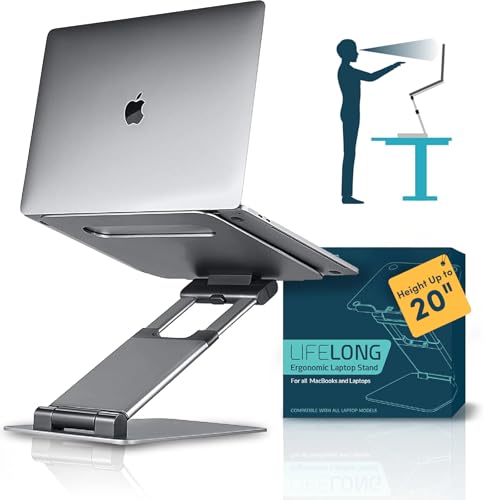
Lifelong Ergonomic Adjustable Laptop Stand for Desk - Height Up to 20" Portable Computer Laptop Riser Holder, Fits All MacBook Air & 10 15 17 Inches Laptops, Back to School Gift for Men &...
We earn a commission if you click this link and make a purchase at no additional cost to you.
10/02/2026 04:37 am GMT -
 $11.99Learn More
Unleash your potential with this companion that goes beyond ordinary notebooks. The Brainstorming Journal and Workbook is not just basic pages bound together.
We earn a commission if you click this link and make a purchase at no additional cost to you.
10/02/2026 02:29 pm GMT -

$19.95$15.14Learn MoreIn The 1-Page Marketing Plan, serial entrepreneur and rebellious marketer Allan Dib reveals a marketing implementation breakthrough that makes creating a marketing plan simple and fast. It’s literally a single page, divided up into nine squares
We earn a commission if you click this link and make a purchase at no additional cost to you.
10/02/2026 02:29 pm GMT -
 $25.99Learn More
A compact glass desktop whiteboard that fits between your keyboard and monitor, offering a smooth dry-erase surface, hidden storage and device trays, and all included accessories to keep notes, tools, and your workspace neatly organized.
We earn a commission if you click this link and make a purchase at no additional cost to you.
10/03/2026 04:32 am GMT -
 Learn More
Create stunning timelines and Gantt charts in minutes with Office Timeline—perfect for project managers, executives, and teams who need to present plans visually. Whether you're using PowerPoint or working online, Office Timeline turns complex data into clear, professional visuals that impress.
We earn a commission if you click this link and make a purchase at no additional cost to you.
-

$19.95$17.25Lean MoreDesk Yoga offers approachable stretching and wellness practices that are easy to incorporate into your workday routine, wherever your office might be.
We earn a commission if you click this link and make a purchase at no additional cost to you.
10/02/2026 11:31 pm GMT -
 $155.99Learn More
A coordinated bonded-leather desk set that protects work surfaces while adding a polished, professional look, with a desk pad, letter tray, and pencil cup included.
We earn a commission if you click this link and make a purchase at no additional cost to you.
10/02/2026 09:33 pm GMT -
 $24.99Learn More
Slim Portfolio Folio Organizer Holder for Letter Legal A4 Note Pads Notebooks for Men Women Refillable Business Leather Portfolio Binder, Dark...
We earn a commission if you click this link and make a purchase at no additional cost to you.
10/03/2026 01:32 am GMT -

$19.99$18.49Learn MoreCrossing the Chasm explains how companies can bridge the critical gap between early adopters and the mainstream market, offering updated strategies and real-world examples to successfully scale high-tech products in today’s digital landscape.
We earn a commission if you click this link and make a purchase at no additional cost to you.
10/03/2026 04:31 am GMT -

$1,299.00$1,234.00Learn MoreApple 2026 MacBook Air 13-inch Laptop with M5 chip: Built for AI, 13.6-inch Liquid Retina Display, 16GB Unified Memory, 512GB SSD, 12MP Center Stage Camera, Touch ID, Wi-Fi 7; Midnight
We earn a commission if you click this link and make a purchase at no additional cost to you.
10/02/2026 04:31 pm GMT -
 Learn More
Track employee time from anywhere and simplify payroll with Buddy Punch’s time tracking and attendance software that’s custom-built for U.S. businesses with hourly workers.
We earn a commission if you click this link and make a purchase at no additional cost to you.
-
 Learn More
Superhuman helps busy professionals move through email faster with AI-powered drafting, summaries, reminders, and inbox organization built for serious productivity.
We earn a commission if you click this link and make a purchase at no additional cost to you.
-
 Learn More
Stay productive wherever work takes you with portable office accessories built for travel, remote work, and busy professionals who need a flexible setup.
We earn a commission if you click this link and make a purchase at no additional cost to you.
-
 Start for Free
Your money, working nonstop.
Heavy duty payments platform for America's core industries. Nickel is the easiest place to run your revenue, spend and cashflow.
We earn a commission if you click this link and make a purchase at no additional cost to you.
-

$16.99$15.99Learn MorePowder-coated steel monitor stand with perforated holes for better airflow, helping keep laptops and printers cooler while adding sturdy desk support.
We earn a commission if you click this link and make a purchase at no additional cost to you.
10/02/2026 10:30 am GMT -
 $27.99Learn More
Four-piece fireproof and water-resistant document bag set protects important papers, passports, cash, certificates, and valuables while staying lightweight, portable, and easy to grab in an emergency.
We earn a commission if you click this link and make a purchase at no additional cost to you.
09/23/2026 06:33 pm GMT -
 $6.99Learn More
Store approximately 10-20 business cards, also suitable for ID cards, credit cards, gift cards, and more. This business card case is made of premium stainless steel. Size: 3.7"L x 2.3"W x 0.3"H.
We earn a commission if you click this link and make a purchase at no additional cost to you.
10/02/2026 04:36 am GMT -
 $329.99Learn More
Sage accounting software helps small businesses manage billing, invoicing, job costing, inventory, budgeting, purchase orders, and financial tracking with trusted tools and support.
We earn a commission if you click this link and make a purchase at no additional cost to you.
10/02/2026 04:39 am GMT -
 Start for free
Gamma is an AI-powered content creation tool that helps professionals quickly turn ideas into polished resumes, presentations, documents, and webpages.
We earn a commission if you click this link and make a purchase at no additional cost to you.
-
 Learn More
We Build
AI-Native Companies
We embed AI into every department of your business to dominate your market.
We earn a commission if you click this link and make a purchase at no additional cost to you.


Mark Fiebert is a former finance executive who hired and managed dozens of professionals during his 30-plus-year career. He now shares expert job search, resume, and career advice on CareerAlley.com.