We may earn a commission if you click on a product link and make a purchase at no additional cost to you. For more information, please see our disclosure policy.
Last updated: October 30, 2025
Key Takeaways
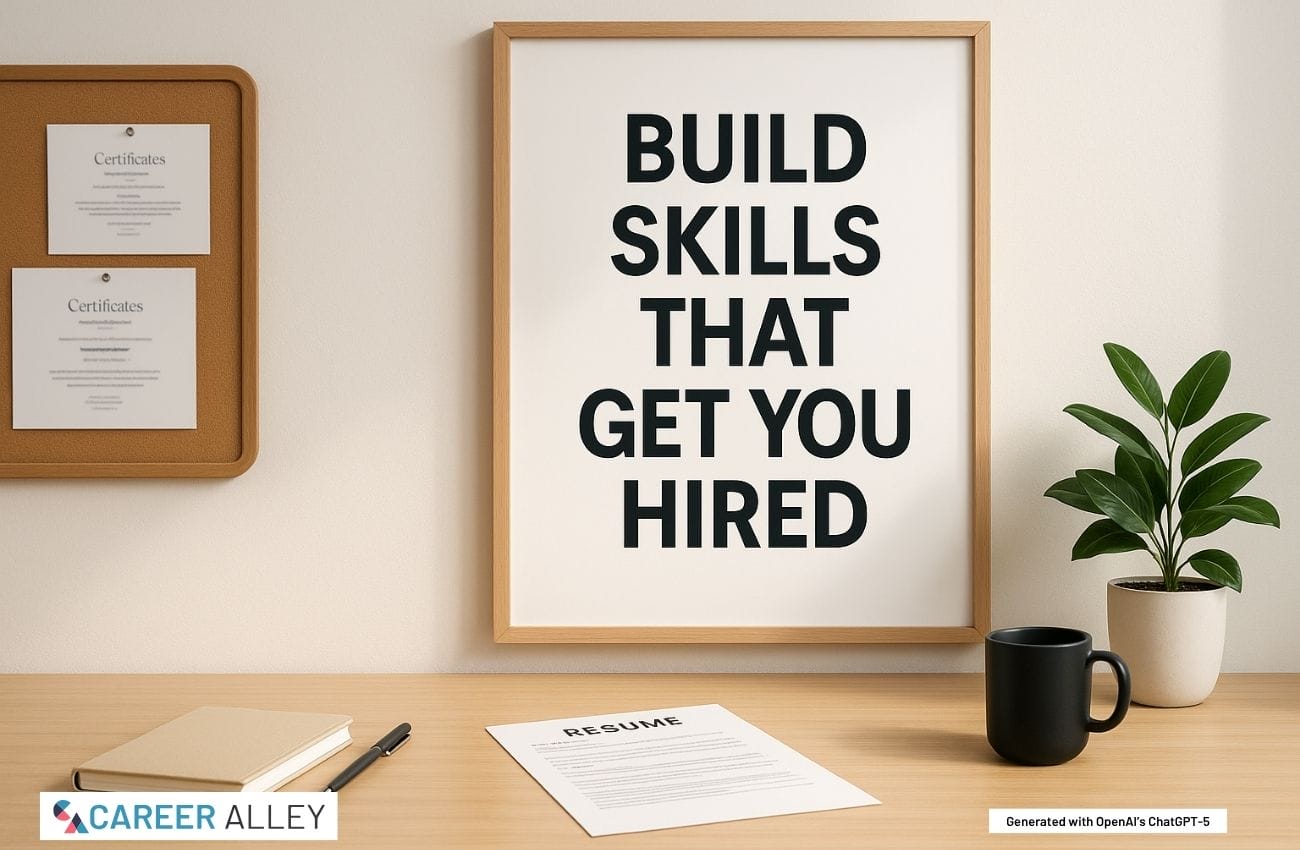
- Online Learning Accelerates Careers: Strategic course selection helps job seekers build fundamental skills, boost confidence, and stand out in competitive applicant pools.
- Pick Courses that Employers Trust: Choose platforms with industry recognition, verified certificates, and hands-on projects that prove capability.
- Showcase New Skills Effectively: Display certificates on LinkedIn, add projects to your portfolio, and highlight achievements in
your resume . - Avoid Random Course Overload: Choose learning paths tied to clear job goals instead of accumulating unrelated certificates with no tangible outcome.
- Proactive Learning Pays Off: Consistency and real-world practice signal ambition and readiness to contribute immediately in your next role.
Online learning has revolutionized how job seekers develop skills, demonstrate value, and unlock new career opportunities. Instead of waiting for formal education programs or in-person classes, you can gain career-ready skills from anywhere and move toward your next role faster. But success doesn’t come from simply enrolling — you need a strategic learning plan tied directly to your job goals.
That’s what separates the candidates who casually browse courses from the ones who actually get hired. This guide explains how to choose the right learning platforms, build skills employers care about, and showcase your progress in a way that turns learning into job offers.

Get a ten-step plan for setting and achieving your goals. Unlike other titles, this book will teach you to turn any idea into an actionable plan.

Why Online Learning Gives Job Seekers an Edge
Hiring managers are increasingly evaluating applicants based on skills, adaptability, and proof of capability — not just degrees or past job titles. Online learning offers the advantages of speed, accessibility, and hands-on practice. Whether transitioning careers, advancing within your industry, or strengthening a weak skill area, online learning allows you to grow at your own pace and demonstrate momentum to employers who prioritize initiative. With modern hiring tools, remote teams, and rapid skill evolution, investing in your learning now isn’t just beneficial—it’s essential.
- Flexibility: Learn at your own pace and progress according to
your job search timeline. - Real-World Application: Many courses include projects that become portfolio pieces you can show employers.
- Industry Skills: Earn certifications in the most in-demand fields, including data, design, marketing, AI, and business strategy.
How to Choose Courses that Lead to Job Offers
Successful online learning starts with clarity. Identify your target role first — then choose courses that help you directly qualify. Skip generic “nice-to-have” lessons and focus instead on platforms with real hiring outcomes, instructor expertise, and career-aligned curriculum. Look for certificates with credibility, practical exercises, and evidence you can use in interviews to demonstrate skill growth. A course is valuable when it brings you meaningfully closer to the job you want.
- Employer Recognition: Prioritize platforms that are known for their trusted credentials and partnerships with major companies.
- Project-Based Output: Courses should include real-world deliverables, such as case studies, dashboards, writing samples, or code.
- Role-Specific Focus: Choose content aligned to your target title, such as Digital Marketing, Data Analyst, UX Designer, or Project Manager.
Learn without limits
Start, switch, or advance your career with more than 5,800 courses, Professional Certificates, and degrees from world-class universities and companies.
Best Online Course Platforms for Career Growth
Not all online learning sites produce equal outcomes. Some are powerful for job seekers looking to upskill quickly with high-value certificates, while others are better for creative exploration or specific technical pathways. Below are platforms that consistently support career development and job-search success.
Coursera: Major university and corporate-partner content with certificates recognized by hiring managers. Strong for business, technology, leadership, and emerging-tech skills.
Udemy: Budget-friendly and practical. Excellent for sharpening specific skills quickly, especially tech, business, and productivity tools.
LinkedIn Learning: A Wide professional course library that integrates with your LinkedIn profile, making credentials visible to recruiters.
Skillshare: Ideal for creative careers — design, writing, photography, and digital media — with project-based lessons.
Khan Academy: Strong for foundational subjects and academic refreshers, especially useful for younger job seekers or those strengthening fundamentals.
How to Showcase Online Credentials to Employers
Completing a course is step one; step two is ensuring employers recognize its value. Too many job seekers bury certifications at the bottom of a resume or skip talking about them on LinkedIn entirely. Instead, elevate your course achievements by linking them to outcomes, posting completion badges, and referencing projects during interviews. When you connect your learning to real results, hiring teams see your initiative and potential immediately.
- LinkedIn Licenses & Certifications: Add every completed certificate to your LinkedIn profile to gain recruiter visibility.
- Portfolio Proof: Upload project files, case studies, and visual results to show how you applied new skills.
- Resume Impact: Convert course takeaways into action-driven bullet points tied to results and tools used.

Blockchain Developer
Master blockchain, from fundamentals to smart contracts. In the first part of this program, you'll learn about blockchain fundamentals and explore blockchain network.
Pitfalls to Avoid When Learning Online
Online courses can accelerate
Don’t: Jump between unrelated topics hoping quantity replaces mastery.
Do: Stay aligned with one role and build depth before expanding breadth.
Resources
- Coursera Career Certificates: Professional credentials built with top employers (Coursera)
- LinkedIn Learning Paths: Curated learning paths for in-demand roles (LinkedIn Learning)
- Udacity Nanodegrees: Technical programs with project portfolios (Udacity)
- Google Career Certificates: Employer-recognized tech certifications (Grow with Google)
- Harvard Online Courses: University-level upskilling programs (Harvard Online)

Get your profile to show up at the TOP of the LinkedIn search results, so prospects find YOU and not your competitors
Next Steps
- Select a Target Role: Identify the position you want, research required skills, and list the top three to prioritize.
- Choose Two Courses: Pick learning programs tied to your job path and commit to structured weekly study blocks.
- Build One Project: Create a portfolio-ready project for each course to demonstrate applied skills, not just theory.
- Update Your Profiles: Add certificates and projects to
your resume and LinkedIn, emphasizing outcomes over tasks. - Practice Interview Proof: Turn each learning milestone into a brief story about challenge, action, and result.
Final Words
Online learning is one of the most potent tools job seekers have today — especially in a competitive hiring environment. When you choose courses intentionally, build real projects, and highlight your new skills on
Additional Resources
Invited to take the USA Hire assessments as part of your Federal Government job application? As is the case for all aptitude assessments, preparation is the key to exam success. Prepare and practice for USA Hire through JobTestPrep today and ensure your success.

Mark Fiebert is a former finance executive who hired and managed dozens of professionals during his 30-plus-year career. He now shares expert job search, resume, and career advice on CareerAlley.com.