- Key Takeaways
- How Online Learning Fits Career Development
- Flexible Schedules Make Learning More Accessible
- Study From Almost Anywhere
- Online Programs Can Reduce Some Education Costs
- Some Programs Allow Faster Progress
- Build Skills That Translate Into Work
- Online Learning Can Expand Your Network
- Flexibility Still Requires Discipline
- Employer Support May Lower Your Cost
- Choose the Right Type of Online Education
- Further Guidance & Tools
- Next Steps
- Final Words
We may earn a commission if you click on a product link and make a purchase at no additional cost to you. For more information, please see our disclosure policy.
Last updated: October 2, 2026
Key Takeaways
- Flexible Learning: Online education lets working adults build skills, earn credentials, and pursue career changes without pausing jobs or family responsibilities.
- Career Value: The strongest online programs connect learning to practical skills, recognized credentials, portfolio work, or qualifications that support specific career goals.
- Program Quality: Flexibility alone does not make a program worthwhile; learners should compare accreditation, curriculum, instructor access, outcomes, costs, and employer relevance.
- Cost Control: Online study can reduce commuting, housing, and material expenses, but tuition and fees vary widely and should be compared carefully.
- Self-Management: Successful online learners need realistic schedules, focused study time, consistent participation, and the discipline to complete work without a traditional classroom routine.
Online learning has moved well beyond being an alternative for people who cannot attend a traditional campus. For working professionals, career changers, parents, and adults returning to school, it can provide a practical way to gain skills or credentials without stepping away from existing responsibilities.
The real benefit, however, is not simply that a course is online. The value comes from choosing education that fits your career objective, schedule, budget, and learning style. A short professional course may be enough to close a specific skills gap, while a certificate or degree may make more sense when an employer or occupation expects a formal credential.
Online learning now encompasses everything from focused professional and exam preparation to full academic degree programs. That range gives learners more options, but it also makes careful comparison increasingly important.
Flexible does not always mean valuable. Before choosing an online course, compare the credential, total cost, career relevance, and practical skills you will gain. See what matters most before enrolling. #OnlineLearningClick To TweetHow Online Learning Fits Career Development
One of the biggest advantages of digital education is learning without putting the rest of your life on hold. Traditional classroom schedules can be difficult for someone working full-time, managing a family, traveling frequently, or considering a
Online programs can make professional development easier to fit into those circumstances. Learners may use them to strengthen an existing specialty, prepare for promotion, explore a new field, or develop an additional skill set that complements their current experience.
This flexibility also makes online learning particularly useful for adults who need education to work around their existing schedules rather than the other way around.
The career payoff depends heavily on what you study. Before enrolling, identify the specific result you want: a credential, stronger technical ability, preparation for a new occupation, advancement in your current field, or evidence that you can perform a particular type of work.
Flexible Schedules Make Learning More Accessible
Flexible scheduling remains one of the clearest advantages of online education. Many programs allow students to complete lectures, readings, assignments, and discussions outside traditional classroom hours.
That can make education more realistic for people who otherwise would need to choose between work and school. Students may study before work, during designated breaks, in the evening, or on weekends instead of commuting to campus several times each week.
Online courses can therefore be especially useful for working adults, although flexibility should not be mistaken for a lighter workload. Deadlines, group assignments, exams, scheduled video sessions, and participation requirements can still demand significant time.
Strong time management habits can help learners protect study time and prevent coursework from continually being pushed aside by more immediate responsibilities.
Study From Almost Anywhere
Online learning removes many geographic barriers. Instead of limiting yourself to programs within commuting distance, you can compare courses and instructors from institutions and education providers located elsewhere.
This can be especially useful when you need specialized instruction that isn’t available locally. Online biology courses, for example, show how subject-specific instruction can reach students regardless of where the instructor and learner are located.
For professionals, remote access also means that travel, relocation, or a change in work schedule does not necessarily interrupt a course. You still need dependable internet access, appropriate technology, and a suitable place to concentrate, but you are less dependent on being physically near a campus.
Online Programs Can Reduce Some Education Costs
Online education can eliminate or reduce several expenses associated with campus attendance, particularly commuting, parking, housing near school, and some printed materials. That can make continuing education more practical for learners who want to avoid leaving paid employment.
Online learning does not automatically mean inexpensive learning, however. Tuition, technology charges, textbooks, exam fees, subscriptions, and other costs can vary widely across programs.
Compare the total cost rather than focusing only on advertised tuition. Also determine what the credential will actually accomplish. Paying more for a recognized qualification that is relevant to your target occupation may make more sense than choosing a cheaper course that does little to improve your employment prospects.
For degree seekers, financing deserves particular attention. Before committing, compare financial aid eligibility, transfer-credit policies, employer reimbursement, payment plans, and the time required to complete the program.
Some Programs Allow Faster Progress
Online study can sometimes allow learners to move faster, but an online format does not automatically mean an accelerated education. Completion speed depends on the school, course structure, prerequisites, credit requirements, term schedule, transfer credits, and whether the program is self-paced.
Some institutions provide year-round enrollment, shorter academic terms, or greater access to coursework. For example, providers offering online undergraduate degrees may offer scheduling structures designed for students who need more flexibility than a conventional daytime program provides.
Before choosing an accelerated option, determine whether faster completion is actually beneficial. Compressing coursework can increase your weekly workload, which may be difficult to manage alongside a full-time job or family obligations.
Build Skills That Translate Into Work
Career-focused online education is most valuable when you can connect what you learn to actual work. Courses in areas such as data analysis, coding, business writing, digital marketing, communication, AI tools, and
That might include a portfolio project, presentation, analysis, certification, writing sample, case study, or completed technical project. Evidence of application can help make newly acquired skills more credible, particularly when you are trying to move into a field where you have limited direct experience.
Professional communication is another skill you can develop remotely. Coursework that helps learners refine written communication can support clearer emails, reports, proposals,
When comparing courses, look beyond the topic name. Review the syllabus and determine whether you will practice the skill or simply watch lectures about it. For career development, applied work generally provides more evidence of capability than passive course completion alone.
Online Learning Can Expand Your Network
Remote study does not have to be isolated. Discussion groups, live classes, collaborative assignments, professional communities, instructor interaction, and alumni networks can all create opportunities to meet people working toward similar goals.
Networking opportunities are particularly useful when you are learning about a new occupation or industry. Classmates may already work in the field, while instructors may offer useful perspective on current professional expectations.
For people changing careers, these relationships can help build a professional network outside an existing industry.
Networking should still be deliberate. Participate in discussions, ask useful questions, stay in contact with people whose interests overlap with yours, and look for opportunities to collaborate rather than simply collecting connections.
Flexibility Still Requires Discipline
The freedom to study whenever you choose can become a disadvantage if you keep postponing coursework. Online students often have fewer external reminders than they would in a physical classroom, so planning and self-management become especially important.
Digital coursework can strengthen time management when learners create realistic schedules, track deadlines, and break large assignments into smaller tasks.
Flexibility also does not mean that constant multitasking is a good learning strategy. Accessing class while managing work or family responsibilities is useful, but difficult material often requires uninterrupted concentration. Scheduling shorter periods of focused study can be more productive than trying to complete complex coursework while simultaneously handling several other tasks.
Employer Support May Lower Your Cost
Before paying for career-related education yourself, check whether your employer offers tuition assistance, reimbursement, professional-development funds, certification support, or access to an online learning platform.
Employer programs vary considerably. Some apply only to education related to your current position, while others may cover broader development or degrees that prepare employees for future roles inside the organization.
If assistance is available, confirm eligibility before enrolling. Find out which providers qualify, what expenses are covered, whether minimum grades are required, when reimbursement occurs, and whether you must repay if you leave the company.
Choose the Right Type of Online Education
Not every career goal requires a degree. The right format depends on what you are trying to accomplish.
- Short Courses: Useful for learning a specific tool, refreshing existing knowledge, or exploring a topic before committing to something larger.
- Professional Certificates: Appropriate when you need structured training in a defined field and the credential is recognized by relevant employers.
- Certifications: Valuable when an industry recognizes a specific certification, although preparation courses and the actual certifying organization may be separate.
- Degree Programs: More appropriate when your target occupation or employer expects formal higher education or when you want broader academic preparation.
- Self-Paced Training: Helpful for independent learners who need maximum scheduling flexibility and can maintain progress without frequent instructor deadlines.
If you are pursuing a U.S. degree, verify the institution’s accreditation and determine whether the program meets any licensing or professional requirements associated with your intended occupation. A program being available online does not guarantee that it satisfies every employer, state, or professional requirement.
Further Guidance & Tools
- Accreditation Database: Use the CHEA institution database to research accreditation when comparing U.S. colleges and degree programs.
- Federal Student Aid: Review Federal Student Aid grant information when evaluating ways to reduce the cost of eligible higher-education programs.
- Course Marketplace: Browse the Coursera learning platform to compare online courses, professional certificates, and degree options across career-focused subjects.
Next Steps
- Define Your Goal: Identify the specific skill, credential, promotion, or
career change you want your online education to support. - Compare Programs: Review curriculum, accreditation, cost, schedule, instructor access, assessments, and practical projects before choosing a provider.
- Check Benefits: Ask your employer whether tuition assistance, reimbursement, certification funding, or access to learning platforms is available.
- Create a Routine: Set aside consistent weekly study periods and protect focused learning time instead of relying on leftover hours.
- Apply Skills: Turn coursework into projects, credentials, portfolio examples, or accomplishments that demonstrate what you can actually do.
Final Words
Online learning is most useful when the format’s convenience serves a clear career objective. The abundance of courses, certificates, and degree programs makes education easier to access, but it also puts more responsibility on the learner to choose carefully. Focus on what a program will help you accomplish, confirm that its cost and credentials make sense for your goal, and create opportunities to apply what you learn. That approach turns online education from another completed course into something that can genuinely support career growth.
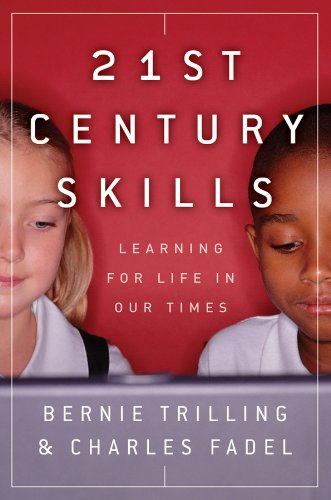
21st Century Skills: Learning for Life in Our Times explores the essential skills needed to thrive in today’s dynamic, technology-driven, and global economy.


Mark Fiebert is a former finance executive who hired and managed dozens of professionals during his 30-plus-year career. He now shares expert job search, resume, and career advice on CareerAlley.com.