- Key Takeaways
- Building Strong Organizational Skills for Healthcare Leadership
- Study Techniques That Improve Online Learning Success
- Using Graduate Certificates as a Pathway to Advanced Degrees
- Mastering
Time Management in Online Programs - Leveraging Internships for Career Growth
- Further Guidance & Tools
- Next Steps
- Final Words
We may earn a commission if you click on a product link and make a purchase at no additional cost to you. For more information, please see our disclosure policy.
Last updated: March 8, 2026

By Mark Fiebert
Key Takeaways
- Organization Matters: Strong organizational skills help students manage coursework, deadlines, and digital learning tools, making it easier to balance academic progress with professional and personal commitments.
- Strategic Study Habits: Developing a clear study plan, engaging with instructors, and using productivity tools significantly improve retention, time efficiency, and overall performance in online graduate programs.
- Career Advancement: Online graduate certificates can strengthen credentials, build leadership abilities, and create pathways toward advanced degrees or management roles in healthcare and related industries.
- Effective
Time Management : Consistent scheduling, clear prioritization, and realistic workload planning reduce stress and ensure steady progress through demanding coursework and professional responsibilities. - Real-World Experience: Internships and industry networking provide practical knowledge, expand professional connections, and strengthen resumes for competitive healthcare leadership roles.
Building Strong Organizational Skills for Healthcare Leadership
Healthcare administrators play a vital role in managing the daily operations of hospitals, clinics, and other healthcare organizations. Their responsibilities often include coordinating teams, overseeing compliance requirements, managing budgets, and improving patient service processes. For professionals pursuing a career in healthcare management, developing strong organizational skills is essential.
Many universities now offer flexible programs such as online healthcare management certificate options designed for working professionals. These programs help students build practical administrative expertise while maintaining their current careers. Selecting the right program requires evaluating faculty expertise, curriculum design, scheduling flexibility, and alignment with long-term career goals.
In a well-designed program, students typically develop competencies in healthcare operations, compliance, communication, and analytical decision-making. Courses often emphasize data analysis, presentation skills, leadership communication, and operational strategy. These abilities prepare graduates to oversee departments, manage teams, and support executive decision-making within complex healthcare systems.
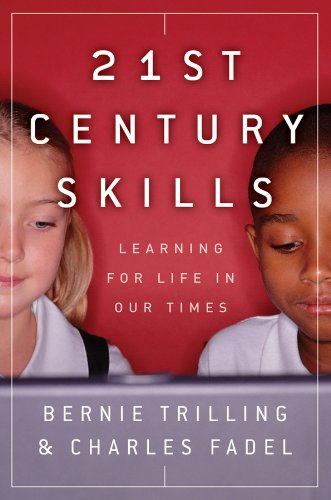
21st Century Skills: Learning for Life in Our Times explores the essential skills needed to thrive in today’s dynamic, technology-driven, and global economy.

Study Techniques That Improve Online Learning Success
Success in a graduate-level online program depends heavily on disciplined study habits. Unlike traditional classrooms, online learning requires students to take greater ownership of their schedules and engagement. Establishing a structured study plan can dramatically improve productivity and help students keep pace with demanding coursework.
To succeed in a graduate-level online course, students should focus on three foundational areas. First, cultivate strong relationships with instructors and classmates. Online discussion boards, virtual meetings, and collaborative projects can provide valuable academic support and networking opportunities.
Second, students should leverage digital productivity tools to stay organized. Platforms such as organize workflows, manage assignments, and track deadlines effectively. These tools help transform complex course requirements into manageable daily tasks.
Finally, minimizing distractions is critical in a remote learning environment. Setting consistent study hours, creating a dedicated workspace, and actively participating in class discussions all contribute to stronger academic performance. Many students also benefit from forming virtual study groups, which can provide accountability and support when preparing for exams or completing projects.
Learn without limits
Start, switch, or advance your career with more than 5,800 courses, Professional Certificates, and degrees from world-class universities and companies.
Using Graduate Certificates as a Pathway to Advanced Degrees
Many professionals pursue an online graduate certificate in healthcare administration as a stepping stone toward a Master of Health Administration or related graduate degree. These certificates allow students to develop practical management expertise while determining whether a full master’s program aligns with their long-term goals.
Graduate certificate programs typically introduce core concepts such as healthcare policy, data analysis, compliance frameworks, and operational planning. Students also gain exposure to leadership principles that support healthcare teams and drive organizational performance. As healthcare systems grow more complex, administrators must balance patient outcomes, financial efficiency, and regulatory requirements simultaneously.
Many programs also incorporate training in strategic planning and healthcare policy development. These skills help students understand how administrative decisions influence long-term organizational growth and the quality of patient care.
One advantage of certificate programs is their flexible pacing. Some students choose accelerated programs that can be completed within roughly a year, while others pursue coursework part-time while maintaining full-time employment. This flexibility makes graduate certificates especially appealing to mid-career professionals seeking advancement without interrupting their careers.

Links to thousands of business, technology, creative skills, and development courses.
Mastering Time Management in Online Programs
One of the biggest challenges for online graduate students is balancing coursework with professional and personal responsibilities. Developing strong
Resources such as time management frameworks emphasize prioritization, task batching, and disciplined scheduling. These strategies allow students to allocate consistent study blocks throughout the week rather than cramming coursework into limited time windows.
Following structured Time management strategies improves both academic productivity and overall well-being. Creating a realistic weekly schedule helps ensure that coursework, work responsibilities, and personal commitments remain balanced.
Many students also benefit from creating detailed task lists and prioritizing assignments based on deadlines and complexity. A time management system can help track responsibilities and maintain focus on high-priority objectives.

The Eisenhower Matrix is a method of prioritizing your tasks based on their urgency. It also allows you to identify tasks that you should either delegate or leave undone.
Leveraging Internships for Career Growth
Although coursework provides valuable theoretical knowledge, real-world experience remains essential for career advancement in healthcare administration. Internships offer an opportunity to apply classroom concepts to operational environments and develop industry connections.
Students preparing for competitive roles should ensure their application materials are well-developed. Resources such as cover letter guides can help candidates present their qualifications effectively.
An internship can expose students to healthcare operations, administrative decision-making, and leadership responsibilities within hospitals, government agencies, or private healthcare organizations.
Completing a structured internship helps students strengthen leadership abilities while developing teamwork and communication competencies. These experiences also enhance resumes and improve competitiveness when applying for full-time positions.
Internships also provide opportunities to practice essential professional behaviors such as collaboration, problem-solving, and adaptability. These soft skills and interpersonal skills are highly valued by healthcare organizations seeking capable administrative leaders.
Students who plan strategically often gain the most from these opportunities. Faculty advisors, career counselors, and professional mentors can help identify
Completing an
Further Guidance & Tools
- Healthcare Careers: Explore healthcare administration career paths using the U.S. Bureau of Labor Statistics occupational outlook for job responsibilities, salary ranges, and long-term industry demand.
- Study Strategies: The UNC Learning Center study resources provide practical methods for improving concentration, retention, and academic performance in rigorous programs.
- Professional Associations: The American College of Healthcare Executives offers leadership resources, certifications, and networking opportunities for aspiring healthcare administrators.
- Time Management Tools: Productivity insights from the Harvard Business Review time management research explain how structured routines improve professional performance.
- Graduate Program Research: The NCES College Navigator helps prospective students compare accredited graduate programs, tuition costs, and institutional outcomes.

Optimize your job search in minutes with 18 powerful tools
Build a standout resume, tailor it to every role, discover jobs you’ll love, and apply with one click — all in one place. Perfect for self-starters who want speed and flexibility.
Next Steps
- Assess Goals: Clarify your long-term career objectives and determine how a graduate certificate supports advancement into healthcare administration, policy development, or executive leadership roles.
- Evaluate Programs: Compare program curricula, faculty credentials, transfer credit policies, and scheduling flexibility before selecting an online graduate certificate program.
- Create Study Plan: Develop a consistent weekly schedule for coursework, reading, and assignments to maintain steady progress throughout the program.
- Build Network: Connect with instructors, alumni, and industry professionals who can offer mentorship,
internship opportunities, and career guidance. - Pursue Experience: Seek internships, volunteer roles, or project collaborations that allow you to apply classroom knowledge in real healthcare settings.
Final Words
Online graduate certificate programs in healthcare management provide a powerful pathway for professionals seeking career growth, leadership opportunities, and deeper industry expertise. Success requires more than simply completing coursework—it depends on strong organizational habits, disciplined study routines, and effective

Discover the seminal book on turning your internship experience into a career-building launchpad for your future. Author Eric Woodard, who got his start as a star intern in the White House, has mentored hundreds of interns as they transition in their careers to something bigger and better.

Mark Fiebert is a former finance executive who hired and managed dozens of professionals during his 30-plus-year career. He now shares expert job search, resume, and career advice on CareerAlley.com.