- What This Article Covers
- Building a Strong Company Culture
- Creating an Effective Onboarding Process
- Developing Employee Growth Opportunities
- Encouraging Employee Engagement and Feedback
- Streamlining Performance Management
- Fostering a Collaborative Work Environment
- Prioritizing Employee Well-Being
- Hire good talent early
- Offer competitive remuneration
- Invest in HR software
- Comply with the employment law
- Ditch the paper
We may earn a commission if you click on a product link and make a purchase at no additional cost to you. For more information, please see our disclosure policy.
Last updated: March 5, 2025

Not every professional looks for a
Managing people is the trickiest part, as you cannot afford an HR team, but going slack with HR operations can hurt your business. Luckily, you can find the middle ground by implementing some tried and tested tactics Canadian startup owners swear by. Here is the best HR advice you can follow to streamline people management for your new business.
What This Article Covers
- Building a Strong Company Culture: Learn how fostering a positive work environment improves employee engagement, collaboration, and long-term retention for business success.
- Creating an Effective Onboarding Process: Discover how structured onboarding helps new hires integrate quickly, align with company values, and become productive team members.
- Developing Employee Growth Opportunities: Explore career advancement strategies, training programs, and performance reviews that support employee development and satisfaction.
- Encouraging Employee Engagement and Feedback: Find out how open communication, recognition programs, and regular feedback can boost morale and productivity.
- Streamlining Performance Management: Learn how goal-setting, check-ins, and performance tracking help employees stay aligned with company objectives.
- Prioritizing Employee Well-Being: Understand how wellness programs, mental health resources, and work-life balance initiatives contribute to a healthier, more engaged workforce.
Payroll, HR, benefits.Simplified.
Join 300,000+ small and medium-sized businesses that take care of their people with Gusto.

Building a Strong Company Culture
A strong company culture is essential for attracting and retaining top talent. A positive work environment fosters engagement, collaboration, and productivity. Employees who feel valued and aligned with company values are more likely to stay motivated and committed. Clearly defining your company’s mission, vision, and values helps create a unified team with shared goals. Encouraging open communication, recognizing achievements, and fostering inclusivity contribute to a strong workplace culture supporting long-term business success.
Creating an Effective Onboarding Process
A well-structured onboarding process ensures new hires integrate smoothly into the organization. First impressions matter; a strong onboarding program sets employees up for success from day one. The process should introduce company values, expectations, and job-specific training in an engaging and supportive way. A step-by-step approach, including mentorship and regular check-ins, helps employees adapt quickly and perform at their best. Providing clear guidelines and equipping new hires with the right tools and resources leads to higher retention and job satisfaction.
The HR Career Guide is packed with practical, honest, real-world guidance for successfully navigating the challenges commonly faced throughout the complete career cycle

Developing Employee Growth Opportunities
Investing in employee development leads to a more skilled and engaged workforce. Offering growth opportunities helps employees feel valued, which improves job satisfaction and reduces turnover. Career development initiatives should be accessible and encourage continuous learning. Consider implementing the following:
- Internal Training Programs: Provide workshops, mentorships, or online courses to help employees develop new skills.
- Career Advancement Paths: Offer clear promotion guidelines to motivate employees to grow within the company.
- Cross-Departmental Training: Encourage employees to gain experience in different roles to build versatility and confidence.
- Feedback and Performance Reviews: Conduct regular evaluations to support career progression and professional growth.
Encouraging Employee Engagement and Feedback
Employee engagement is a key factor in company success, as engaged employees contribute more effectively and remain loyal to the organization. Creating open channels for feedback ensures employees feel heard and valued. Engagement can be enhanced through recognition programs, wellness benefits, and social events. Regularly surveying employees and acting on their feedback fosters a sense of inclusion and helps businesses refine workplace policies. A thriving work environment is built on communication, transparency, and mutual respect.
This book will help you handle any personnel problem-from on-boarding to outplacement-quickly and easily.

Streamlining Performance Management
Effective performance management helps businesses track employee contributions and align their efforts with company objectives. A structured system ensures that employees receive constructive feedback and opportunities for improvement. Performance evaluations should be conducted fairly and consistently, with clear metrics. Consider implementing these strategies:
- Goal-Setting Frameworks: Establish SMART goals to provide employees with clear objectives and measurable outcomes.
- Ongoing Check-Ins: Regular feedback sessions help address challenges and celebrate progress.
- Incentive and Recognition Programs: Reward employees who meet or exceed performance expectations to boost motivation.
- Data-Driven Insights: Use performance analytics to identify trends and make informed business decisions.
Fostering a Collaborative Work Environment
Collaboration is essential for maximizing team productivity and fostering innovation. A workplace that promotes teamwork allows employees to share ideas, problem-solve efficiently, and build strong professional relationships. Encouraging team-based projects, cross-functional communication, and shared goals creates a more cohesive organization.
Leaders should model collaborative behaviors and ensure employees have the tools and support to work effectively. A company culture that prioritizes teamwork fosters creativity, trust, and long-term success.
In his work with organizations around the world, Simon Sinek noticed that some teams trust each other so deeply that they would literally put their lives on the line for each other. Other teams, no matter what incentives are offered, are doomed to infighting, fragmentation and failure.
Prioritizing Employee Well-Being
Employee well-being directly impacts productivity and job satisfaction. Businesses prioritizing physical and mental health initiatives create a more sustainable and positive work environment. Offering flexible work arrangements, mental health resources, and wellness programs helps employees maintain a healthy work-life balance.
Encouraging regular breaks, promoting a supportive atmosphere, and addressing workplace stress contribute to overall well-being. By fostering a culture that values employee health and happiness, businesses can enhance retention and overall job performance.
Hire good talent early
As new business owners struggle with money, they tend to compromise on talent. It seems easy to start with a few inexpensive resources and onboard more people as you go. But the last thing you should do is settle for less-skilled or inexperienced people to save on dollars. Look for good talent early, even if it means starting with a smaller team and growing it later. The investment is worthwhile because skilled resources will get your business on the growth route sooner rather than later.
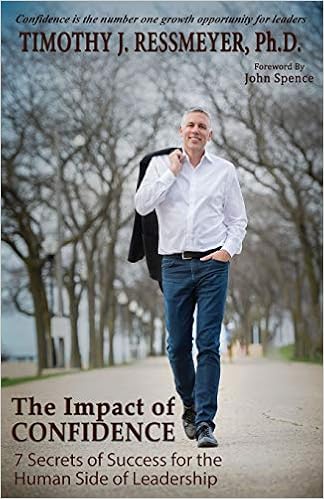
The book uncovers the impact of confidence in seven critical dimensions of a leader's life including leadership, passion, connecting, change, advancement, relationships, and control.
Offer competitive remuneration
This is a no-brainer because competitive remuneration is the only way to secure top talent for your business. Assess the job market for appropriate pay for different skills and roles. Think beyond the financial remuneration and customize the pay packages with value-adding perks and benefits. Engage the staff with incentives and rewards. You can stay within budget with creative offers that bring the best talent and drive retention in the long haul.
Invest in HR software
Investing in HR software is a wise decision for new businesses looking to manage operations on a budget. It lets you reduce dependence on humans, so you must handle your team without hiring a big HR crew. Luckily, you can find an option for HR software in Canada to address functions like employee onboarding, absence management, performance evaluation, and more. It can also help you streamline organizational workforce management and maximize employee productivity.
Become focused, organized, and calm with Todoist. The world’s #1 task manager and to-do list app. Todoist is the personal and team task manager used by over 25 million people to keep track of everything from work projects to birthday reminders.

Comply with the employment law
The Canadian employment law enforces stringent regulations on all employers, and new businesses are no exception. It covers fine details relating to
Ditch the paper
Although going paperless at the startup stage seems too early, it is the wisest thing you can do. Using legacy, paper-based systems to manage schedules, track time and attendance, and process operations such as hiring and onboarding can increase your team’s workload. Moreover, it goes against sustainability principles and results in storage burdens. Embracing technology-based solutions for HR tasks can address the concerns of time, costs, and space constraints. It also reduces your startup’s environmental footprint.
The growth of a new business depends on the team that runs it. As an entrepreneur pursuing growth, you can benefit immensely by following these worthy pieces of HR advice.
HRCI Human Resource Associate Professional Certificate.
Launch your career in Human Resources. In this program, you’ll learn in-demand skills for a career as a Human Resource Associate. No degree or prior experience needed.





Joey Trebif is the pen name of Mark Fiebert, a former finance executive who hired and managed dozens of professionals during his 30-plus-year career. He now shares expert job search, resume, and career advice on CareerAlley.com.