- Key Takeaways
- Set Up a Dedicated Workspace
- Establish a Clear Morning Routine
- Use Task Management Tools
- Take Regular Short Breaks
- Limit Distractions with Time Blocking
- Invest in Quality Office Equipment
- Declutter and
Organize Your Workspace - Set Clear Boundaries Between Work and Personal Time
- Get Dressed For Work
- Leave The Phone In The Kitchen
- Get More Natural Light
- Sit Up
- Stick To Your Schedule
- Further Guidance & Tools
- Next Steps
- Final Words
We may earn a commission if you click on a product link and make a purchase at no additional cost to you. For more information, please see our disclosure policy.
Last updated: January 9, 2026
Key Takeaways
- Dedicated workspace: Creating a defined home office area improves focus by signaling your brain to separate work tasks from household distractions and personal activities.
- Structured routines: Consistent daily routines, including getting dressed and starting work intentionally, help maintain energy, motivation, and
productivity when working from home. - Time management: Techniques like task management tools, time blocking, and simple schedules reduce mental clutter and keep workdays organized and efficient.
- Distraction control: Limiting phone access, decluttering your workspace, and managing interruptions are essential for sustaining concentration in a home office environment.
- Healthy environment: Ergonomic equipment, proper posture, natural light, and regular breaks support long-term
productivity while reducing fatigue and burnout.
The idea of a home office is a good one: a place to work away from the rest of the family. However, the day-to-day reality is a little different. It is quite hard for many people to concentrate while at home. There are numerous distractions, from children to entertainment devices.
Sometimes, though, you don’t have a choice – you have to work from home. What can you do to boost your

Find the Best Remote Jobs for You
- 100% verified work-from-home jobs
- Full-time, part-time, and freelance jobs
- Entry-level to executive roles
- No ads, scams, or junk

Set Up a Dedicated Workspace
A dedicated workspace in your home office is crucial for boosting
An ergonomic chair, desk, and organization tools can make a substantial difference. By establishing boundaries in this workspace, you can more effectively separate work from personal life, fostering a balanced and productive environment.

Establish a Clear Morning Routine
Creating a consistent morning routine sets the tone for a productive day in your home office. A routine helps signal to your brain that it’s time to transition into work mode, increasing focus and efficiency. Begin with activities that prepare you mentally and physically, such as stretching, eating a nutritious breakfast, or reviewing your daily goals. Avoid diving straight into work emails; instead, ease into the day to minimize stress. This routine becomes a ritual that prepares you for the demands of a productive workday, ultimately enhancing your performance.
Use Task Management Tools
Task management tools can transform how you approach your workday by helping you prioritize and organize tasks effectively. Digital platforms such as Asana, Todoist, or Notion are effective for setting up to-do lists, reminders, and project timelines. These tools allow you to break down big projects into manageable steps, track your progress, and ensure that deadlines are met. Task management tools also reduce the mental clutter of remembering everything, allowing you to focus on high-priority tasks, leading to a more streamlined and productive workflow.

The Eisenhower Matrix is a method of prioritizing your tasks based on their urgency. It also allows you to identify tasks that you should either delegate or leave undone.
Take Regular Short Breaks
Short breaks throughout the day are essential for maintaining high
Limit Distractions with Time Blocking
Time blocking is a highly effective technique for reducing distractions and managing time efficiently. By

Become focused, organized, and calm with Todoist. The world’s #1 task manager and to-do list app. Todoist is the personal and team task manager used by over 25 million people to keep track of everything from work projects to birthday reminders.
Invest in Quality Office Equipment
The right office equipment is essential to creating a productive home office environment. An ergonomic chair, an adjustable desk, a high-quality monitor, and noise-canceling headphones can significantly improve focus and comfort. Investing in these essentials reduces physical strain and enhances work efficiency. Quality equipment also minimizes disruptions, allowing you to concentrate on tasks without constant adjustments or discomfort. This investment yields benefits over time by reducing the need for breaks and improving overall
Declutter and Organize Your Workspace
A clean, organized workspace boosts mental clarity and

FEZIBO standing desk has reliable motor that could support height adjustment between 28.3''-45'' with low noise(under 50 dB) while running
Set Clear Boundaries Between Work and Personal Time
Establishing boundaries between work and personal time is crucial for maintaining
Get Dressed For Work
It’s tempting to roll out of bed, sit down in front of your computer, and just start working. But staying in your PJs and dressing gown isn’t ideal. It primes your brain for relaxation, so you feel tired and lethargic.
Instead, get dressed. Just going through the routine tricks your body into thinking that you are working, making you more productive once you finally reach your computer. The act of dressing for work marks a transition between your home and office life.

A Surprisingly Simple System to Get Organized and Stay that way: A Simple, Step-by-Step System to Stay Organized, Save Time, and Keep Everything in Its Place—for Good
Leave The Phone In The Kitchen
Don’t bring your phone into your home office. You’ll be tempted to check it every five minutes to see who is texting you and what they have to say.
Instead, leave it in the kitchen. If you need to chat with people in the office, use your work phone,
Get More Natural Light
Don’t sit in a room with the curtains drawn in the middle of the day. That’s not healthy. You’ll wind up feeling lethargic and you’ll throw your body clock out of whack.
Instead, focus on getting more natural light. As Labor Panes window cleaning professionals point out, dirt and grime on your windows can reduce the amount of light getting through quite considerably. So place your computer adjacent to the window and allow the sun to bathe you, particularly in the morning and middle of the day.
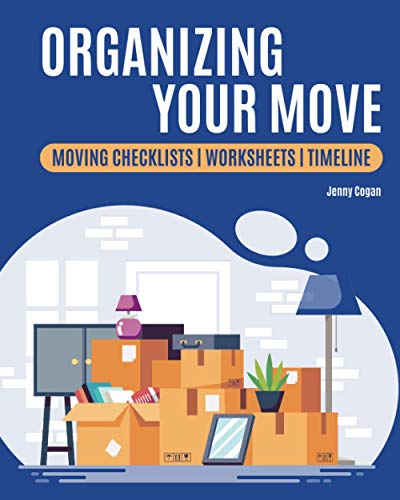
This book simplifies the moving process with tips, various checklists, worksheets, and an in-depth moving timeline which is not only a big overview of the entire moving process with things broken down into steps, it is also a convenient checklist for you to mark off each task as completed.
Sit Up
Office workers need to become experts in the art of sitting correctly. If you get your positioning wrong, you can wind up hurting yourself long-term.
When it comes to ergonomic chairs, there are five factors that you need to consider: backrest, armrest, lumbar support, cushioning, and wheels. Being able to adjust all of these will allow you to position a seat at the perfect height for you.
Stick To Your Schedule
When you work from home, you often come to believe that you can use your time however you want. And to a certain degree, that’s true. But, of course, the more time you spend messing around in the mornings, the less time you have for the rest of the day to get your work done. You often end up in these mad panics, trying to cram everything in before the 5 pm deadline.
To avoid this, give yourself a simple schedule. Just write down what you need to do (and by when), and proceed.
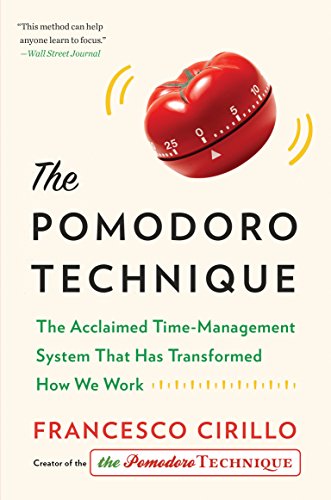
The Pomodoro Technique includes several new chapters on how teams can use the pomodoro method to save time and increase productivity.
Further Guidance & Tools
- Pomodoro Method: Use the Pomodoro Technique to structure focused work intervals and short breaks that reduce mental fatigue.
- Ergonomic Setup: Follow OSHA guidance to position your chair, monitor, and keyboard for comfort and safer posture.
- Time Blocking: Use Todoist to
plan distraction-resistant work blocks and keep priority tasks visible throughout the day. - Remote Boundaries: Apply practical tips from APA to set expectations at home and protect focus during working hours.
- Healthy Telework: Use CDC NIOSH recommendations to improve your home setup and reduce common work-from-home strain.
Next Steps
- Workspace Reset: Choose one dedicated work zone, optimize lighting, and keep only daily essentials within reach to reduce visual distractions.
- Plan the Day: List your top priorities, break each into small tasks, and arrange them in a simple sequence you can follow.
- Block Focus: Reserve uninterrupted work blocks on your calendar and group
email ,meetings , and admin tasks into separate windows. - Reduce Interruptions: Keep your phone outside the office space, silence nonessential notifications, and use chat tools only when needed.
- Support Your Body: Adjust your chair and screen height, sit tall with lumbar support, and include brief movement breaks to stay comfortable.
Final Words
A productive home office is less about willpower and more about structure, environment, and habits that support focused work. When you create a dedicated workspace, reduce distractions, use clear planning methods, and protect your boundaries, your day runs smoother and your energy lasts longer. Small upgrades, from ergonomics to routines, compound into better results and healthier work-from-home momentum.

If you find yourself "suddenly home" and you're feeling uncertain or overwhelmed, this book is for you.

Mark Fiebert is a former finance executive who hired and managed dozens of professionals during his 30-plus-year career. He now shares expert job search, resume, and career advice on CareerAlley.com.