- Key Takeaways
- Academic Education Isn’t Everything
- Submit a Carbon-Copy resume
- First Impressions Don’t Start At The interview
- Come Off as an Arrogant Job Seeker
- Employers Seek Personality
- Lack of Company or Role Knowledge
- Lack of Networking
- Inadequate Interview Preparation
- Further Guidance & Tools
- Next Steps
- Final Words
We may earn a commission if you click on a product link and make a purchase at no additional cost to you. For more information, please see our disclosure policy.
Last updated: January 10, 2026

Key Takeaways
- Outdated Advice: Much traditional job-search guidance no longer matches modern
hiring , where automation,skills -based screening, and heavy competition shape employer decisions. - Education Limits: Degrees still matter, but relying on education alone without practical experience and transferable
skills often causes qualified candidates to be overlooked. - Resume Customization: Generic, carbon-copy resumes weaken credibility and fail to show employers how your
skills align with their specific role and needs. - Early Impressions: Employers form opinions long before interviews, making strong applications, online presence, and preparation critical to reaching later stages.
- Preparation Wins: Researching companies, refining your pitch, and balancing confidence with authenticity significantly improves interview performance and overall job-search success.
Whether you’re a student planning next steps or a job seeker trying to break into a new field, the starting point is often the same: confusion and frustration. The job-hunting process can feel daunting when applications disappear into black holes, and feedback is scarce. You’re not alone in feeling overwhelmed, and many of the frustrations job seekers face are avoidable.
Much of the advice people rely on today no longer reflects how
The sections below break down the most common job-hunting mistakes that hold candidates back and the practical adjustments that help make the path to your next role clearer and more predictable.

Small Mistakes, Big Consequences for Interviews is a lighthearted look at the top 20 interviewing mistakes that people make without realizing the potential consequences. Learn how to identify these common character mistakes that can make or break your interview—and hiring prospects.

Academic Education Isn’t Everything
Education has been emphasized since childhood, and there’s no denying that
Hands-on experience can be harder to gain, but internships, project work, and placements offer a clear edge when applying for permanent roles. Employers also value transferable
Education still matters, but without relevant experience and clearly demonstrated
Submit a Carbon-Copy resume
Anyone who has searched for a job understands how frustrating it can be to update a resume for every application. Still, creating original content that reflects the specific role and company is essential. Tailoring
If you want to hurt your chances, submit resumes that look tailored for another company. Generic, copy-and-paste resumes signal low effort and weaken your credibility. When you skip customization, you miss the chance to highlight your most relevant

Optimize your job search in minutes with 18 powerful tools
Build a standout resume, tailor it to every role, discover jobs you’ll love, and apply with one click — all in one place. Perfect for self-starters who want speed and flexibility.
First Impressions Don’t Start At The interview
Whether it’s laziness or naivety, many millennials think they can land a job simply by acing the interview stage. Make no mistake: standing out at this stage of the process is vital. Still, a good interview doesn’t guarantee anything on its own. Moreover, with most roles now attracting dozens of applications, even getting through to that part is a challenge.
Building a solid application supported by a strong resume makes a huge difference. Meanwhile, those seeking jobs in marketing and creative fields should aim to showcase their talents. Whether it’s creating a website or doing something out of the ordinary to grab an employer’s attention is up to you. Either way, standing out from the crowd before the interview puts you in a great position.
Come Off as an Arrogant Job Seeker
As a job seeker, confidence is an amazing attribute to bring to the table. Employers appreciate knowing that their candidates are confident in their ability to perform the job if hired. Unfortunately, there can be a fine line between confidence and arrogance—and you don’t want to cross that line.
For instance, if you have had an outstanding career as a biochemist, working for one of the leading laboratories in the country for the past 10 years, you have a lot to be proud of. But if you come across as the savior of the company in

No Mistakes Interviews will teach you how to:
- Prepare for the interview.
- Identify the company’s primary need.
- Assess your skills as they relate to that need.
- Sell yourself as the solution.
Employers Seek Personality
Another major problem to have hit the modern generation comes from robotic answers. By the time you reach an interview, employers know about your
That’s not to say the gift of the gab can help you wing it. There’s still a huge need to research the company’s background, as this shows understanding and attention to detail. These tips on how to answer the most challenging
Lack of Company or Role Knowledge
Do your homework before your interview. Research the company and the interviewer. One common question is “Why do you want to work here?” Make sure you know the answer. Know the basics
- Tell me about yourself – Be prepared with a short, concise overview of who you are and what you do.
- Why do you want to work for our company? – Assuming for the minute that you would not be interviewing if there was not some interest, do your homework on the company (and the interviewer) before arriving.
- Why should we hire you? – This is where you go into your prepared pitch on your
skills and experience, and how they align with both the position and the company.

This book shatters stereotypes about people who dislike networking. They’re not shy or misanthropic. Rather, they tend to be reflective—they think before they talk.
Lack of Networking
In today’s competitive job market, networking can be your secret weapon. Connecting with professionals in your field and maintaining relationships can open doors to opportunities that may not be publicly advertised. Participate in industry events, join online forums and professional groups, and engage actively on platforms like LinkedIn. By demonstrating your interest and initiative, you can increase your visibility to potential employers. Remember, it’s not only about who you know but also who knows you. Networking effectively can give you an edge and accelerate your
Inadequate Interview Preparation
Thorough preparation is key to acing job interviews. It involves more than just rehearsing answers to common questions. You need to research the company and understand its mission, culture, and recent developments. Familiarize yourself with the role and the challenges it might pose. Know

Discover the Secret Ingredient that You've Been Missing This Whole Time and Learn How to Achieve Success in Business and Life
Further Guidance & Tools
- Skills-Based
Hiring : Use NACE to understand how employers evaluateskills and where to emphasize proof over credentials. - Interview Structure: Use MIT CAPD to
organize interview answers with the STAR method and show clear impact, not vague claims. - Career Research: Use O*NET OnLine to identify role requirements, common tasks, and in-demand
skills soyour resume matches real job needs. - Resume Tailoring: Use Indeed to tailor
your resume to a job description using keywords and relevance without turning it into a copy of the posting. - Recruiter Perspective: Read about how resumes are screened so you can make your value easy to spot fast.
Next Steps
- Target Role: Define one role you want, then list the top
skills and proof points you can show for it. - Customize Resume: Update your summary and bullets to match the job description, highlighting outcomes, tools, and relevant skills.
- Build Proof: Add a small project, portfolio item, or case example that demonstrates how you apply your
strengths in real situations. - Prepare Answers: Draft STAR stories for common questions so you can explain results clearly, confidently, and without sounding rehearsed.
- Network Smart: Reach out to a few people in your field to ask focused questions, learn
hiring expectations, and uncover unposted opportunities.
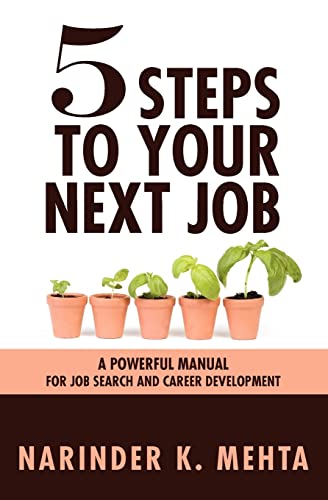
This guide provides a clear, step-by-step job search framework, covering self-assessment, resume and cover letter strategy, employer targeting, interview preparation, and offer evaluation, with practical, experience-based advice throughout.
Final Words
Navigating the job search landscape can be fraught with pitfalls that can unwittingly derail your efforts. By recognizing these five common mistakes and taking proactive steps to avoid them, you can significantly improve your chances of securing your desired role. and the impacts will rub off in employment-chasing endeavors.
Small Mistakes, Big Consequences for Interviews is a lighthearted look at the top 20 interviewing mistakes that people make without realizing the potential consequences. Learn how to identify these common character mistakes that can make or break your interview—and hiring prospects.

Mark Fiebert is a former finance executive who hired and managed dozens of professionals during his 30-plus-year career. He now shares expert job search, resume, and career advice on CareerAlley.com.