- Key Takeaways
- Why Distance Learning Matters More When You Already Have a Full-Time Job
- Choose Learning That Fits Your Schedule and Your Goals
- Build a Work-Friendly Study System You Can Actually Sustain
- Communication and Visibility Still Matter in Remote Learning
- Turn Coursework Into Career Results
- Avoid the Mistakes That Derail Busy Professionals
- Further Guidance & Tools
- Next Steps
- Final Words
We may earn a commission if you click on a product link and make a purchase at no additional cost to you. For more information, please see our disclosure policy.
Last updated: April 20, 2026
By Mark Fiebert
Key Takeaways
- Flexible growth: Distance learning works best when you choose career-relevant programs that fit your schedule, energy, and goals instead of chasing credentials with little workplace value.
- Work-first design: Professionals with full-time jobs benefit most from remote learning that supports short study blocks, asynchronous lessons, and immediate on-the-job application.
- Proof matters: Courses become more valuable when you translate what you learn into projects, process improvements, portfolio examples, or stronger interview stories.
- Smart pacing: Trying to learn too much too fast usually leads to burnout, weak retention, and unfinished programs that do little for career momentum.
- Career alignment: The strongest distance learning strategy starts with a specific outcome such as promotion, role change, certification, or a measurable skill upgrade.
Why Distance Learning Matters More When You Already Have a Full-Time Job
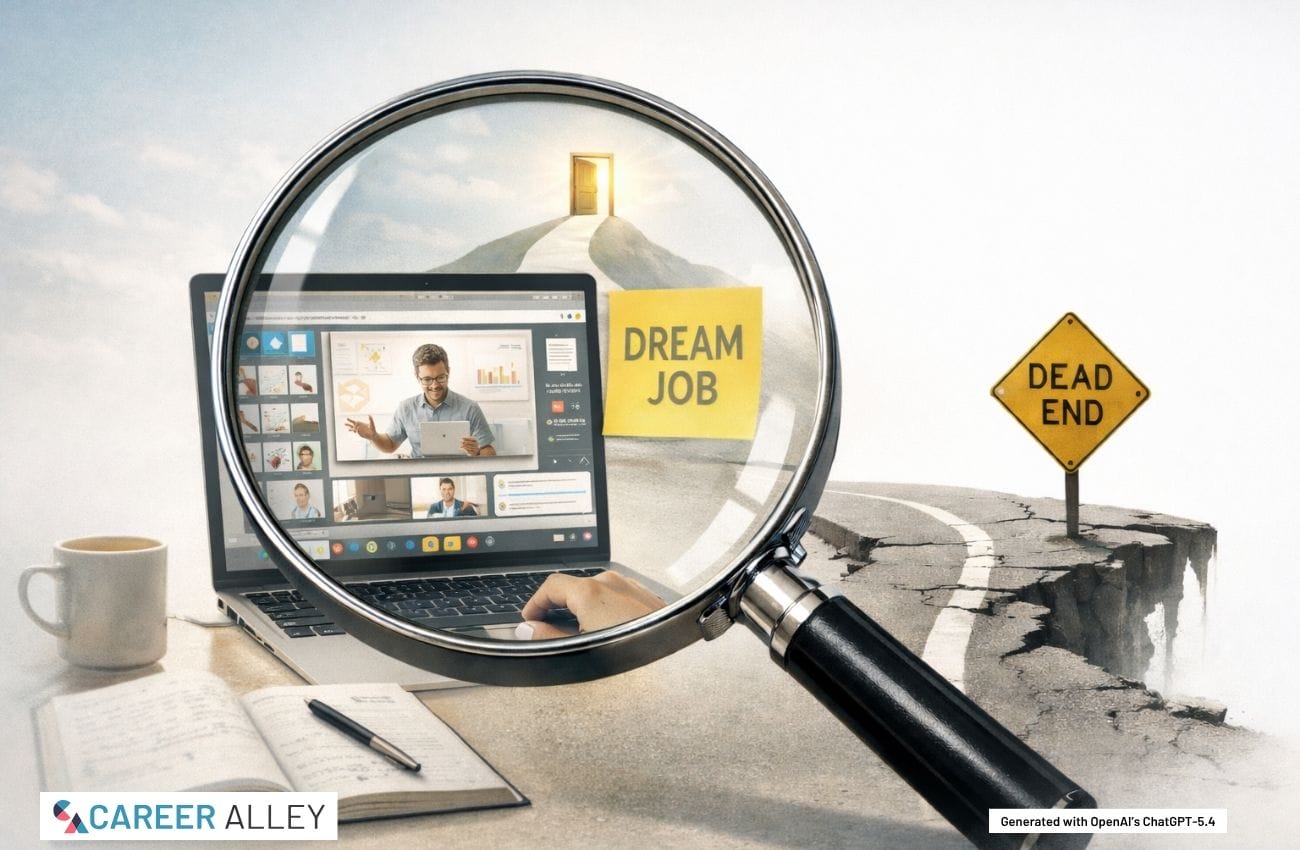
In an era where digital education is not just an option but a necessity, mastering distance learning can be a practical way to move your career forward without stepping away from work. For working professionals, the real value is not simply access to online classes. It is the ability to build skills, earn relevant credentials, and stay competitive while still handling deadlines, meetings, family responsibilities, and everyday life.
The strongest modern approach is to treat remote learning as a career tool rather than an academic exercise. That means choosing courses that help you do one of four things: perform better in your current role, qualify for a promotion, prepare for a career pivot, or strengthen your professional credibility in a market that increasingly rewards proof of skills. When used well, distance learning gives you flexibility, but it only pays off when the time you invest connects directly to real outcomes.
Learn without limits
Start, switch, or advance your career with more than 5,800 courses, Professional Certificates, and degrees from world-class universities and companies.

Choose Learning That Fits Your Schedule and Your Goals
Too many people enroll in broad programs that sound impressive but do not match the job they want. Before you commit, define the result. Are you trying to become more promotable, move into management, build technical skills, sharpen your communication skills, or gain enough confidence to change fields? Once that is clear, it becomes much easier to decide whether a short course, certificate, bootcamp, or employer-sponsored training program makes sense.
It also helps to choose formats built for busy adults. Self-paced or asynchronous programs are often easier to manage than fixed live sessions because they let you learn early in the morning, during lunch, or after work. If your role already includes digital collaboration, becoming comfortable with the tools used in distance learning can strengthen your work habits as well. This includes learning management systems, shared documents, discussion boards, and project tools such as Clickup.
Build a Work-Friendly Study System You Can Actually Sustain
The biggest challenge is rarely intelligence. It is consistency. If you work full-time, you need a learning routine that survives busy weeks. A dedicated study space still helps, but your system matters more than your setup. Instead of pretending every week will be ideal, create a structure that works even when work gets messy.
Ready to reimagine your career?
Get the skills and real-world experience employers want with Career Accelerators.
- Protect time: Schedule two to four recurring study blocks each week instead of waiting for a free evening that never arrives.
- Start smaller: A steady five hours a week usually beats an unrealistic ten-hour plan that collapses by week two.
- Use transitions: Commute time, lunch breaks, and early mornings can be useful for lectures, reading, or review.
- Track tasks: Keep deadlines, modules, and deliverables in one system using digital tools like calendars and task managers.
- Respect energy: Put harder work such as writing or analysis in your best mental hours, not at the tail end of an exhausting day.
Communication and Visibility Still Matter in Remote Learning
One of the most underrated benefits of distance learning is that it can improve the kind of communication employers already expect in modern workplaces. Working online forces you to ask better questions, write more clearly, manage expectations, and follow up without being reminded. That makes mastering the art of communicating clearly more than a classroom skill. It is professional training.
You don’t need to dominate every online discussion, but please stay visible. Participate in live sessions when it matters, ask for clarification early, and use instructor or peer feedback to sharpen your work. Strong communication also makes learning more efficient. It reduces confusion, prevents missed deadlines, and helps you build relationships that can turn into referrals, recommendations, or professional connections later on.
Explore your creativity with classes in illustration, photography, design, and more. Get unlimited access to classes on illustration, photography, design, film, music, and more.
Turn Coursework Into Career Results
Completing a course is not the finish line. The value comes from what you can do with what you learned. That might mean automating a process at work, improving a report, building a small portfolio project, leading a better meeting, or speaking more confidently in an interview. Employers and clients respond to evidence, not just enrollment. That is why distance learning becomes more useful when you connect it to visible outputs.
This is also where older thinking about remote education falls short. The point is not to recreate a traditional classroom. The point is to use a flexible learning model to build practical value faster. That may include leadership development, technical upskilling, industry-specific training, or stronger digital habits. The same principle appears in broader learning and development: progress counts most when it improves how you work, how you contribute, and how clearly you can show your growth.
Avoid the Mistakes That Derail Busy Professionals
The most common failure points are predictable. People choose programs that are too broad, underestimate the time commitment, ignore burnout risks, or collect certificates without applying them. Good planning matters, but so does self-awareness. If your workload is already intense, taking on an aggressive course load can hurt both your job performance and your learning results.
That is why
Online Learning MASTERY guides and provides you with practical tips that you can apply in your daily life so you can be closer to your brighter future.

Further Guidance & Tools
- Training Finder: CareerOneStop Training Finder helps you compare education and training options with a stronger focus on job relevance and career outcomes.
- Skill Research: O*NET OnLine lets you review skills, tools, and work activities tied to specific jobs before investing time in a course.
- Course Library: LinkedIn Learning is useful for short, work-friendly lessons that fit professionals balancing learning with full-time responsibilities.
- Credential Options: Coursera guidance on online learning offers a practical overview of how remote learning supports flexible skill building.
- Upskilling Trends: edX upskilling research provides current perspective on why continuous learning remains important for job security and advancement.
Next Steps
- Pick one goal: Decide whether your next learning move is for promotion, better performance, a role change, or a specific credential.
- Audit your week: Find two realistic study windows you can protect consistently before enrolling in any remote learning program.
- Choose evidence: Plan one work project, portfolio example, or measurable outcome that will show the value of what you learn.
- Start lean: Begin with one focused course instead of stacking multiple programs that compete with your job and personal responsibilities.
- Review monthly: Reassess whether your course still matches your career direction, energy level, and return on time invested.

Optimize your job search in minutes with 18 powerful tools
Build a standout resume, tailor it to every role, discover jobs you’ll love, and apply with one click — all in one place. Perfect for self-starters who want speed and flexibility.
Final Words
Distance learning is no longer just an alternative to traditional education. For working professionals, it can be one of the most practical ways to build relevant skills without putting a career on hold. The key is to stay focused on outcomes, choose flexible programs that fit real life, and turn learning into visible professional value. When you approach remote learning with that mindset, it becomes less about collecting courses and more about creating momentum.
Links to thousands of business, technology, creative skills, and development courses.

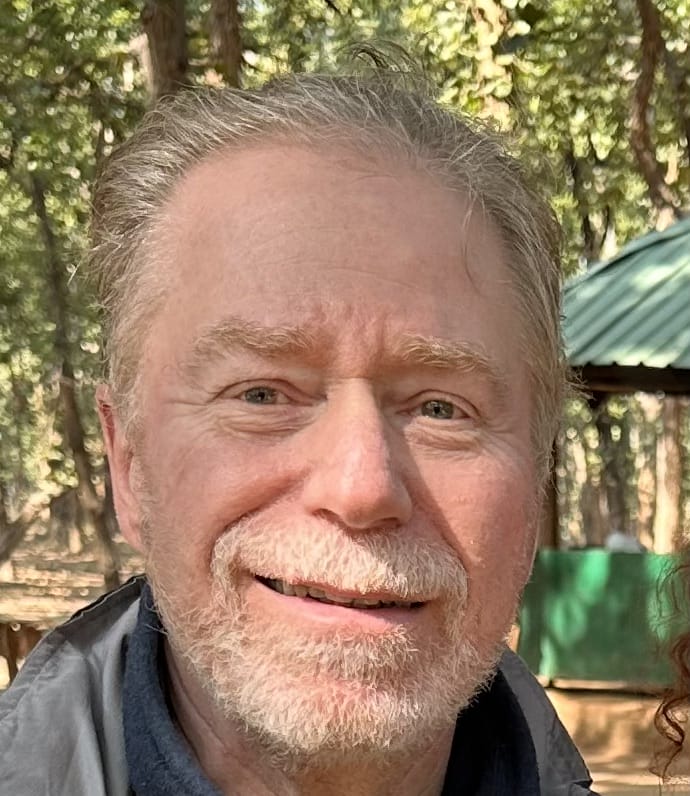
Mark Fiebert is a former finance executive who hired and managed dozens of professionals during his 30-plus-year career. He now shares expert job search, resume, and career advice on CareerAlley.com.