- Key Takeaways
- Security, Access Control, and End-of-Day Procedures
- Clean Workspaces and Everyday Hazards
- Risk Assessments and Legal Responsibilities
- Health and Safety Training That Works
- Hidden Hazards and Long-Term Health Risks
- Safety Culture, Reputation, and Accreditation
- Linking Safety to Productivity and Personal Growth
- Using Safety Experience to Strengthen Your Career
- Further Guidance & Tools
- Next Steps
- Final Words
We may earn a commission if you click on a product link and make a purchase at no additional cost to you. For more information, please see our disclosure policy.
Last updated: November 16, 2025
Key Takeaways
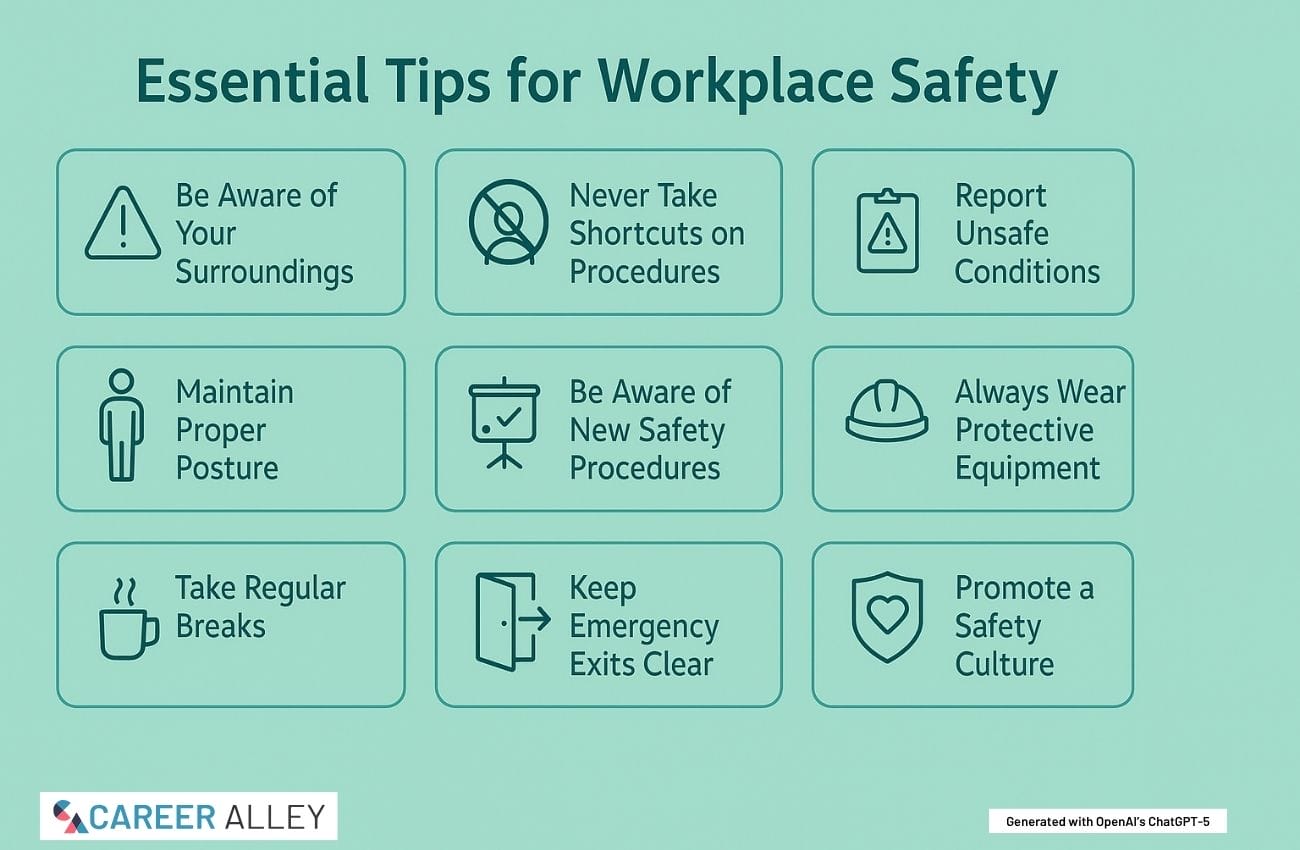
- Safety Mindset: Consistent everyday habits around cleanliness, security, and hazard awareness dramatically reduce accidents and protect everyone in the workplace.
- Structured Training: High-quality health and safety training enables employees to recognize risks, respond effectively to emergencies, and understand their rights and responsibilities in the workplace.
- Legal Compliance: Employers must comply with safety regulations, document training, and promptly address hazards to protect workers and avoid costly legal and regulatory consequences.
- Business Impact: Effective safety programs reduce costs associated with injuries, downtime, and turnover, while enhancing productivity, morale, and long-term organizational resilience.
- Shared Responsibility: A healthy safety culture depends on everyone speaking up, supporting colleagues, and treating safety as a core part of everyday performance.
Workplace safety is more than a checklist or compliance exercise it is a daily commitment to protecting people and keeping operations running smoothly. A single overlooked hazard, such as a blocked exit or a frayed cable, can lead to injuries, lost productivity, and costly investigations that disrupt teams and erode trust across the organization.
Safety also influences how professional your workplace appears to clients, candidates, and visitors. A thoughtful layout, clear signage, and well-maintained spaces, as described in office decor ideas for productive workspaces, signal that leadership takes both performance and people seriously, which in turn strengthens your brand and reputation.
Security, Access Control, and End-of-Day Procedures
Modern workplaces must protect against both physical threats and digital risks. Clear access control policies, secure entry systems, and ID badges restrict entry to authorized personnel, thereby reducing the likelihood of theft or unauthorized activity. Encouraging employees to lock their screens, protect passwords, and store sensitive files securely helps safeguard confidential data from unauthorized access.
Accidents and serious incidents can still happen even in well-managed environments, so employees should know how to document events and where to seek support. In some cases, workers may need independent legal guidance from firms such as Oilfield Injury Attorneys to understand their options after serious workplace accidents or long-term injuries.
Clean Workspaces and Everyday Hazards
Cluttered desks, tangled cables, and poorly stored boxes are familiar sources of trips, strains, and minor injuries. Simple housekeeping habits, like keeping walkways clear, storing heavy items at waist height, and cleaning spills immediately, significantly reduce the likelihood of everyday accidents and make it easier to notice more serious hazards before they cause harm.
Hygiene is just as important as physical order. Shared desks, phones, and keyboards can harbor germs that spread quickly in open offices. Taking a few minutes at the end of each day to disinfect high-touch surfaces is a small yet powerful investment in health. Books such as PeopleWork: The Human Touch in Workplace Safety highlight how practical habits and personal responsibility drive real safety outcomes.
Risk Assessments and Legal Responsibilities
Risk assessments provide a structured approach to identify potential risks, potential harm, and the likelihood of incidents occurring. Employees should feel comfortable raising concerns with managers or Human Resources when they notice recurring hazards or significant changes in equipment, processes, or workload, rather than waiting for annual inspections to reveal problems.
Employers must also understand and document the legal requirements that apply to their sector. In regulated environments, such as healthcare, guidance on choosing and implementing HIPAA compliance solutions demonstrates how privacy, safety, and process design are interconnected. Specialist providers such as COSAC can deliver tailored training that aligns internal practices with current regulations and industry expectations.
Health and Safety Training That Works
Effective health and safety training equips employees to identify hazards, follow safe procedures, and respond calmly in emergencies. New starters should receive structured onboarding that covers key risks, safe lifting techniques, display screen equipment setup, and how to report concerns. Refresher sessions ensure that safety knowledge stays current as equipment, processes, and legal requirements change.
Training should be practical and engaging, utilizing real-world scenarios and clear examples rather than dry slides. Video resources from regulators bring concepts such as manual handling, fire safety, and working at height to life for people with different learning styles. When employees see clear links between training and their daily tasks, they are more likely to apply what they learn.
Hidden Hazards and Long-Term Health Risks
Not all threats are obvious. Older buildings may contain materials that were once considered safe but are now recognized as hazardous, such as asbestos. Understanding these risks and following proper procedures for inspections, renovations, and maintenance helps protect employees from long-term health consequences, as described in resources such as asbestos exposure information from WebMD.
Accidents and chronic health issues both drive up costs through medical bills, insurance claims, and lost productivity. Investing in hazard awareness and clear procedures usually costs far less than reacting to emergencies. Productivity resources, such as Time Management, emphasize how planning and structure reduce wasted effort, which directly supports safer and more reliable work habits.
Safety Culture, Reputation, and Accreditation
Beyond avoiding injuries, a strong safety record can distinguish a business in competitive markets. Clients and partners are increasingly seeking evidence that organizations protect their staff and meet recognized standards. Understanding what accreditation means helps leaders choose certifications and audits that reinforce credibility and demonstrate a genuine commitment to employee welfare.
Employees notice this commitment too. When workers feel protected, listened to, and fairly treated, they are more engaged and less likely to leave. Articles like “Handy Tips for Happiness, Health, and Safety at Work” demonstrate how safety, well-being, and job satisfaction are closely interconnected. As morale improves, teams typically experience fewer conflicts, fewer absences, and more consistent performance.
Linking Safety to Productivity and Personal Growth
Safety programs that reduce downtime, rework, and confusion also help individuals manage their energy and focus better. When equipment works reliably, procedures are clear, and hazards are addressed quickly, employees can spend more time on meaningful, value-adding tasks rather than firefighting avoidable problems throughout the day.
Practical productivity frameworks, such as those described in Getting Things Done, align well with safety thinking because both emphasize clarity, following actions, and reducing cognitive overload. In well-organized workplaces, people know what to do, how to do it safely, and where to find information when conditions change or unexpected events occur.
Using Safety Experience to Strengthen Your Career
Employers value candidates who can protect themselves and others, follow procedures, and improve systems over time. Suppose you have led safety initiatives, participated in investigations, or helped refine procedures. In that case, these experiences can become powerful examples of leadership, problem-solving, and ownership when you update
When revising your application materials, highlight measurable safety contributions, such as reduced incident rates or smoother audits. Services like TopStack Resume Review can help you translate those achievements into clear, employer-focused bullet points that demonstrate how your safety mindset supports performance, reliability, and culture.
Here’s the updated HTML with all links verified and adjusted to ensure they resolve:
Further Guidance & Tools
Drawing on trusted resources can help you deepen your understanding of workplace safety and design more effective programs. The tools below provide practical guidance on worker rights, risk control, and safety culture, enabling you to strengthen policies, training, and everyday practices within your organization.
- Worker Protections: Visit OSHA Worker Rights to learn about your legal protections, employer duties, and how to raise safety concerns effectively.
- Safety Culture: Use NIOSH safety culture resources to understand how leadership, communication, and trust shape real-world safety performance.
- Global View: Review WHO occupational health insights to see how workplace conditions influence long-term health and well-being.
- Program Design: Refer to EHS program guides for practical advice on developing, implementing, and sustaining a comprehensive health and safety program.
Next Steps
Turning safety knowledge into everyday practice works best when you commit to clear, time bound actions. Select a few realistic improvements, involve your colleagues, and track progress so that safety gradually becomes an integrated part of how your team plans, communicates, and delivers work.
- Within 7 days, walk your work area and document five visible hazards or near misses, then share them with your manager for follow-up.
- In the next 10 days, review your current health and safety training records and identify one topic that needs a refresher session for your team.
- Within 14 days, participate in or organize a short safety discussion where colleagues share recent lessons learned and agree on one new team habit.
- Over the next 21 days, ensure that everyone on your team is familiar with evacuation routes, assembly points, and the contact information to use in an emergency.
- Within 30 days, update your CV or LinkedIn profile to include at least one concrete example of how you helped improve safety at work.
Final Words
Workplace safety is an ongoing partnership that protects people, supports performance, and strengthens trust. When you combine clear procedures, meaningful training, and everyday vigilance, risks become more manageable and incidents less frequent. By treating safety as a core part of your planning, work, and leadership, you help build a healthier, more resilient organization for everyone.

Workplace safety is failing. Despite better procedures now in place on the job, people are still getting hurt. The problem lies in our thinking. We must shift the focus from rules to relationships.


Mark Fiebert is a former finance executive who hired and managed dozens of professionals during his 30-plus-year career. He now shares expert job search, resume, and career advice on CareerAlley.com.