We may earn a commission if you click on a product link and make a purchase at no additional cost to you. For more information, please see our disclosure policy.
Last updated: November 13, 2025
By Mark Fiebert
Key Takeaways
- Differentiate Early: Standing out begins before the interview by creating targeted, relevant application materials that clearly align with the role.
- Evidence Matters: Employers respond to concrete examples, measurable accomplishments, and specific stories that demonstrate your value.
- Research Drives Relevance: Company research helps you tailor your answers and ask stronger questions during interviews.
- Authenticity Wins:
Hiring managers remember candidates who communicate naturally, confidently, and genuinely. - Preparation Sets You Apart: Focused practice and thoughtful follow-up actions help you move from qualified to unforgettable.
Applying for jobs can feel overwhelming, especially when the job market is highly competitive. Even strong candidates sometimes miss out on opportunities simply because their application materials do not effectively communicate their
The

Get 10X more Job Interviews with JobCopilot. Automatically apply to jobs from 50,000+ companies worldwide

How to Differentiate Yourself in Job Interviews
The interview is where your preparation and personality come together. Many candidates assume that meeting the qualifications is enough, but interviewers are looking for clarity, depth, and enthusiasm. Your goal is to demonstrate not just what you have done, but how you think, how you solve problems, and how you would contribute to the
Strong interviewers balance confidence with curiosity. They research the company, understand the industry, and arrive ready to engage in a meaningful conversation. Rather than memorizing answers, focus on having a clear understanding of your accomplishments, the challenges you’ve handled, and the ways you’ve added value in the past. This helps you communicate naturally and adapt to any question asked.
- Research the company and industry thoroughly so you can discuss their goals and challenges with confidence.
- Tailor your resume and
cover letter so your background aligns with the job posting. - Prepare for common
interview questions and practice your answers out loud to build confidence. - Highlight meaningful
skills and experiences that set you apart from others in your field. - Show enthusiasm for the company by connecting the role to your interests and
strengths . - Demonstrate problem-solving and
critical thinking skills with clear, real-world examples. - Ask thoughtful questions that demonstrate your understanding of the role and your commitment to doing the work well.
- Follow up with a personalized thank-you
email that reinforces your interest and qualifications.

This book pinpoints the most important things you need to nail to keep the process manageable while still helping you ace the interview.
Standing Out on Paper
The written portion of a
A strong application is concise, relevant, and easy to read.
- Fill your time with short courses and online tutorials to stay up-to-date. You can strengthen your profile through reputable platforms such as online course platforms, learning a new language, enhancing software
skills , or obtaining certifications. - Simplicity is effective. Overloading
your resume makes it harder forhiring managers to understand yourstrengths . A clear structure and thoughtful editing convey confidence and focus.
Learn without limits
Start, switch, or advance your career with more than 5,800 courses, Professional Certificates, and degrees from world-class universities and companies.
Standing Out in Person
When you arrive at the interview stage, you have a fresh opportunity to show who you are beyond the page. The best candidates establish connections, communicate effectively, and demonstrate a genuine investment in the work. Your preparation makes a noticeable difference in how confidently and naturally you communicate.
Behavioral cues—such as eye contact, listening habits, note-taking, and the ability to ask insightful questions—help interviewers understand how you operate professionally. The goal is not to perform but to demonstrate your readiness to contribute meaningfully.
- Take notes during the interview. This signals professionalism, interest, and genuine engagement with the conversation.
- Bring strong questions. Asking thoughtful questions at the end of the interview shows curiosity, preparation, and long-term thinking.
- Be authentic. Avoid saying only what you think the interviewer wants to hear. Strong candidates show their real perspectives and
ideas .
Further Guidance & Tools
- Resume Scanner: Use JobScan to compare
your resume against job descriptions and identify missing keywords to improve alignment. - Practice Interviews: Try Big Interview for structured mock interviews and feedback that strengthens your communication
skills . - Portfolio Builder: Create a clean professional portfolio using Clippings.me to showcase writing samples, projects, and career achievements.
- Salary Research: Visit Payscale to check
salary benchmarks and prepare for confident compensation discussions. - Job Market Trends: Explore Glassdoor to review company insights, interview experiences, and current
hiring trends.

Optimize your job search in minutes with 18 powerful tools
Build a standout resume, tailor it to every role, discover jobs you’ll love, and apply with one click — all in one place. Perfect for self-starters who want speed and flexibility.
Next Steps
- Update
your resume within seven days by rewriting at least three bullet points to emphasize measurable accomplishments. - Create a targeted
cover letter within five days that directly connects your experience to a specific role youplan to apply for. - Research two companies within 10 days and prepare a list of potential
interview questions tailored to each. - Schedule at least one mock interview within 14 days to build confidence and refine your delivery.
Final Words
Standing out in a
Additional Resources
What Color Is Your Parachute?
“What Color Is Your Parachute? ” by Richard N. Bolles is a classic job

More than a job-hunting book, Richard N. Bolles’s timeless wisdom and famed self-assessment exercise clarifies seven key dimensions, so you can uncover your greatest passions, most valued traits, and transferable skills to design a life that enables you to flourish.
Cracking the Coding Interview
If you are applying for a technical job, Cracking the
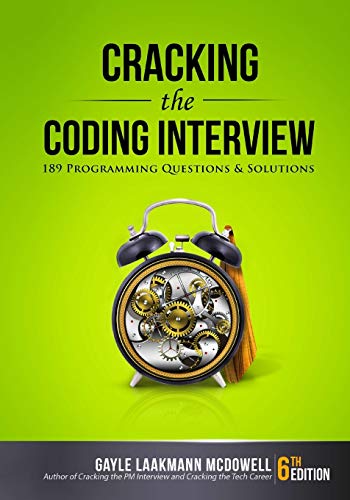
Cracking the Coding Interview, 6th Edition is here to help you through this process, teaching you what you need to know and enabling you to perform at your very best.
Sweaty Palms: The Neglected Art of Being Interviewed
Sweaty Palms by H. Anthony Medley is a comprehensive book that guides all aspects of the interview process. It covers topics such as preparing for an interview, what to wear, answering common
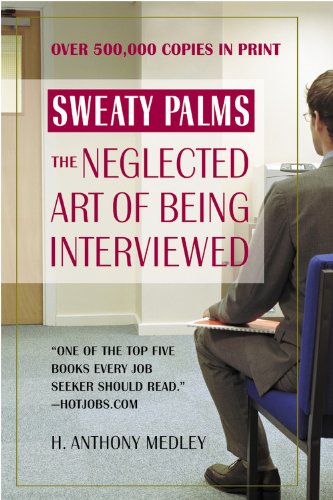
A newly updated edition of the comprehensive guide to job interviews that has over a half million copies in print, SWEATY PALMS teaches readers everything they need to know in order to land the job of their dreams.
Whether a first-time job seeker searching for that elusive entry-level position or a seasoned e

Mark Fiebert is a former finance executive who hired and managed dozens of professionals during his 30-plus-year career. He now shares expert job search, resume, and career advice on CareerAlley.com.