

- Key Takeaways
- Why Interview Nerves Happen
- Build Confidence Before the Interview
- Confidence Habits That Show Up in the Room
- Breathe to Slow the Moment Down
- Stop Fidgeting and Control Your Signals
- Eye Contact Without Staring
- Answer With Structure and Measurable Proof
- Stay Positive and Keep Perspective
- Turning Preparation Into Performance
- Further Guidance & Tools
- Next Steps
- Final Words
We may earn a commission if you click on a product link and make a purchase at no additional cost to you. For more information, please see our disclosure policy.
Last updated: October 6, 2026

Key Takeaways
- Preparation Creates Confidence: Practicing answers, researching the employer, and planning your examples reduce anxiety and help you communicate clearly.
- Body Language Signals Readiness: Eye contact, posture, and controlled movement shape first impressions and reinforce professionalism before you even speak.
- Structure Beats Rambling: Using STAR stories and pausing to breathe improves concision, credibility, and the impact of your strongest achievements.
- Modern Hiring Is Multi-Channel: Recruiters evaluate how you speak, present online, and follow up, not just what you say in the interview.
- Follow-Through Wins Offers: A timely thank-you note and a confident close keep momentum, strengthen rapport, and differentiate you from similar candidates.
Why Interview Nerves Happen
There is nothing better than being offered the chance to interview. You want it to go well, which is exactly why nerves show up. An interview puts your career goals, income, and identity on the line in a short window. That pressure can make even highly capable people second-guess themselves.
The good news is that interview confidence isn’t a personality trait. It is a set of behaviors you can train. Your words and how you talk to interviewers influence whether they see you as a calm problem-solver or a risky hire. This article focuses on confidence techniques you can use immediately, plus modern practices that reflect how employers evaluate candidates today.
Build Confidence Before the Interview
Confidence starts long before you sit down with a hiring manager. It comes from preparation that eliminates uncertainty. Begin with the basics: understand the role, know
If you need an extra boost, Shawn Meaike’s podcasts can help with mindset and self-confidence. But mindset alone is not enough. You also need practical preparation: deciding what you will highlight, how you will explain your value, and what you will do when you feel nervous.
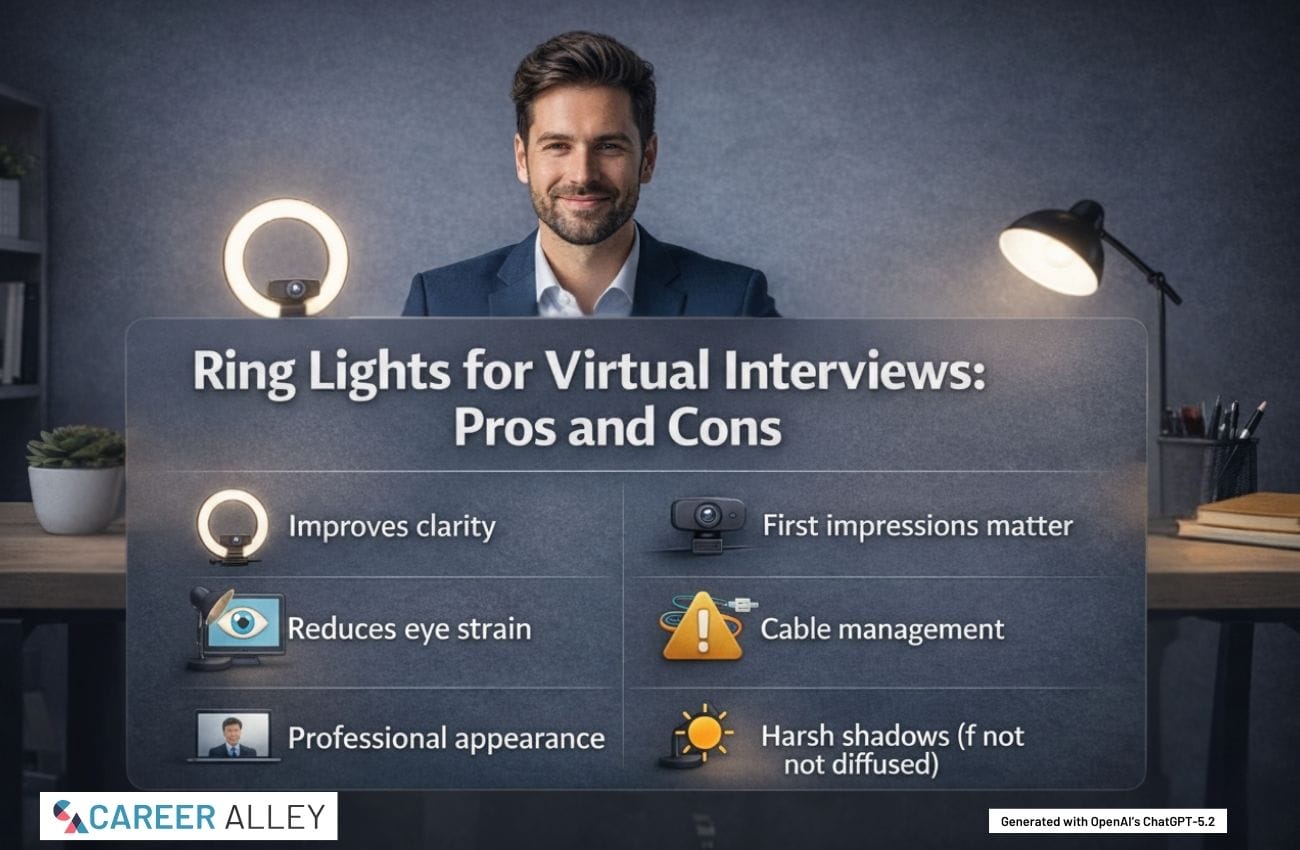
Also, plan for real-world logistics. If your interview is in person, confirm the location, parking, and building entry requirements. If it is virtual, test your camera, microphone, lighting, and internet connection. The fewer surprises you face, the more bandwidth you have to listen and respond well.
And if you are heading to an on-site meeting, it is worth understanding the environment you are walking into, including personal safety considerations covered in
Confidence Habits That Show Up in the Room
Interviewers evaluate more than what you say. They evaluate how you say it. These confidence signals consistently matter: calm breathing, steady eye contact, deliberate movement, and focused answers. When those signals are present, your expertise becomes easier to see.
- Practice Makes Perfect: Rehearsing common
interview questions helps you anticipate responses and reduces anxiety. - Research the Company: Knowing the company’s mission and values shows initiative and helps you align your answers.
- Dress for Success: Wearing appropriate attire boosts your confidence and creates a professional impression.
- Arrive Early: Being punctual reduces stress and gives you time to get comfortable in the interview environment.
- Body Language: Good posture and eye contact convey confidence and keep you engaged.
- Listen Carefully: Active listening helps you give thoughtful answers and shows your interest in the conversation.
- Be Yourself: Authenticity often resonates with interviewers, so let your real personality shine through.
- Follow the STAR Method: Use the Situation, Task, Action, Result framework to articulate your experiences clearly and impactfully.
- Ask Questions: Prepare insightful questions to ask at the end of the interview. This shows your enthusiasm and engagement.
- Post-Interview Follow-Up: Sending a thank-you note after the interview is not only good etiquette but also reinforces your interest in the job.
Breathe to Slow the Moment Down
Before you sit down, start with a reset: take a big deep breath in and out. It sounds simple because it is simple, but it works. Breathing steadily lowers the physical symptoms of stress so your brain can access the words you practiced.
During the interview, use breathing tactically. When you are asked a question, take a short breath before answering. That pause makes you look thoughtful, prevents rambling, and gives you time to select the best example. You do not need to rush to fill every second with words. Calm pacing reads as confidence.
Stop Fidgeting and Control Your Signals
Nervous habits steal attention from your message. If you bounce your leg, twist a ring, or tap the table, the interviewer may remember the movement more than your qualifications. The fix is not to freeze. The fix is to anchor yourself.
Plant both feet on the floor. Sit upright with relaxed shoulders. Keep your hands calmly placed until you naturally gesture. If you fidget, hold a pen lightly and keep it still. Small adjustments like these change how you feel, not just how you look, because your body and mind feed each other.
Eye Contact Without Staring
Eye contact is one of the fastest ways to communicate confidence and trust. Keep your eye contact steady enough to show you are engaged, but natural enough to avoid intensity. Think of it as conversational eye contact: present, warm, and responsive.
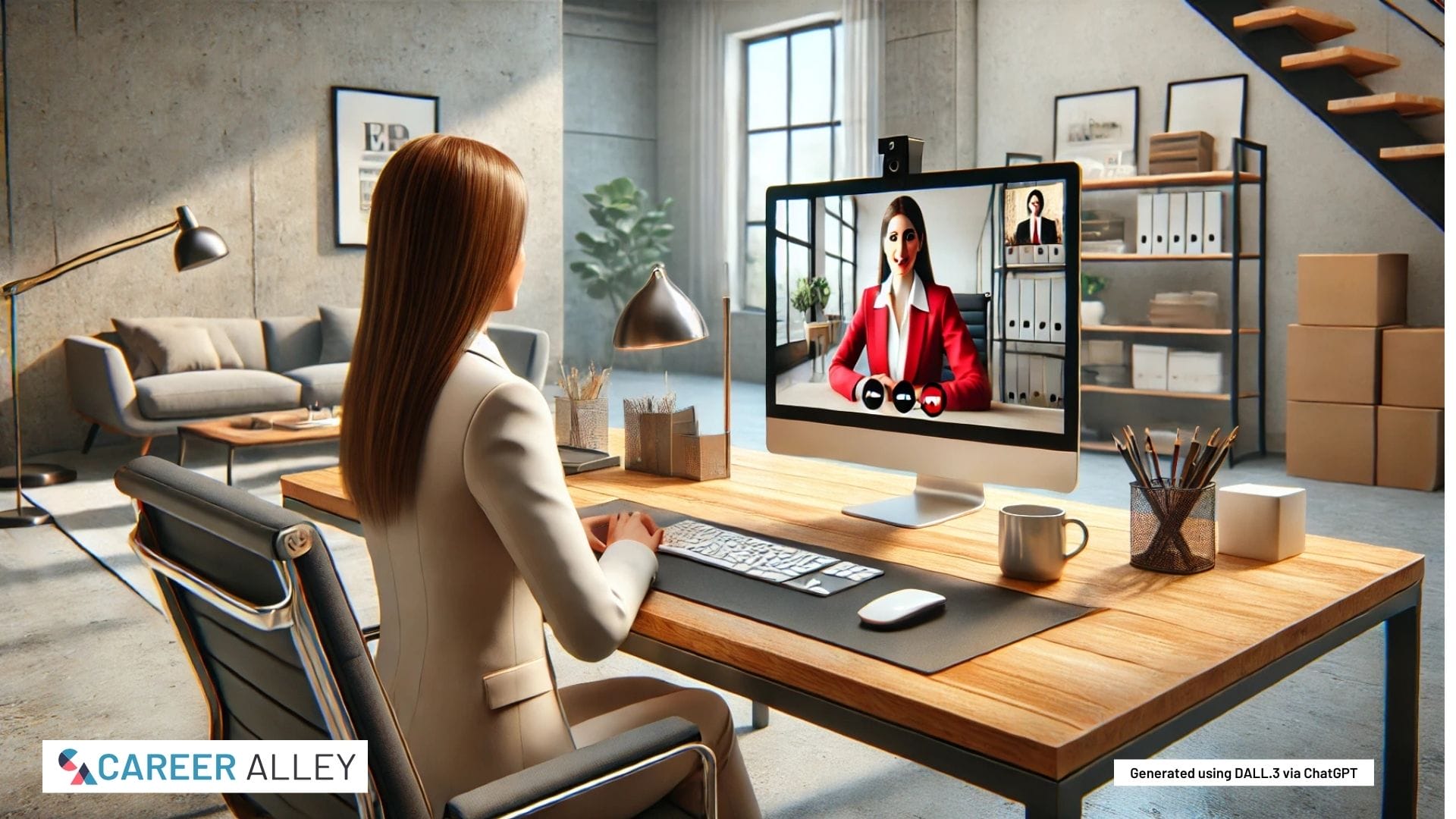
If your interview is virtual, the technique changes slightly. Look toward the camera when you deliver key points, and glance back to the screen when listening. This creates the feeling of eye contact for the interviewer while still letting you read their reactions.
Answer With Structure and Measurable Proof
Preparation matters most when the interviewer asks, “Tell me about a time you handled a challenge,” or “Walk me through a project you owned.” This is where structured answers win. The STAR method is effective because it forces clarity. You set context, define your responsibility, explain what you did, and end with the result.
Keep your answers tight. Long explanations usually come from uncertainty, not expertise. If you feel yourself drifting, return to outcomes: what changed because you were involved. Add numbers when you can. If you do not have exact figures, describe the scale in practical terms, such as “reduced rework,” “improved turnaround time,” or “increased stakeholder alignment.”
One modern advantage: you can now rehearse and refine your messaging more quickly with AI tools that review cover letters and interview narratives for clarity, tone, and relevance. Used well, AI feedback can help you tighten phrasing, remove vague claims, and align your language to the role. The goal is not to sound robotic. The goal is to remove friction, so your real experience comes through.
Stay Positive and Keep Perspective
Lastly, remember that you go into the interview with nothing. If you don’t get the job, you don’t lose anything you already had. You gain information. You learn what resonated, what did not, and what to improve next time. This mindset reduces fear and helps you show up as a calm professional, not someone begging for approval.
Confidence grows when you treat interviews as practice for the next level of your career, not as a verdict on your worth. Every interview makes the next one easier—if you capture the lessons and keep moving.
Turning Preparation Into Performance
Acing your job interview does not have to feel like an insurmountable challenge. Confidence improves when you prepare your stories, practice concise answers, and control the signals your body sends before you speak. Breathing slows the moment down. Eye contact builds trust. Posture and stillness project calm. And a thoughtful follow-up reinforces professionalism after the conversation ends. If you want to improve fast, focus on repeatable habits and remove common mistakes by reviewing remember that preparation is key guidance before your next interview.
Further Guidance & Tools
- Interview Practice Guide: The BLS interview preparation guide offers practical steps to rehearse strengths, examples, and delivery.
- STAR Method Refresh: This Harvard Business Review article on the STAR method explains how to build tighter, outcome-focused answers that interviewers can easily remember.
- Hiring Standards Insight: The SHRM strategic interview toolkit shows how employers structure interviews and what they evaluate across candidates.
- Virtual
Interview Questions : Review common video interview questions from VidCruiter to anticipate prompts and rehearse confident, camera-ready responses. - Professional Skill Courses: Explore LinkedIn Learning interview courses for structured lessons that strengthen performance, communication, and hiring-process awareness.
Next Steps
- Pick Stories: Choose five STAR examples that prove impact, teamwork, and problem-solving, and rehearse each in under two minutes.
- Rehearse Aloud: Practice answers on video to spot rambling, filler words, and nervous habits, then tighten your phrasing.
- Audit Presence: Set posture, eye contact, and hand position cues you will follow so your body language supports your message.
- Prep Questions: Write five smart questions about priorities, success metrics, and team workflow to show serious interest and judgment.
- Draft Follow-Up: Prewrite a thank-you note template and customize it immediately after interviews while details are still fresh.
Final Words
Interview confidence is built, not wished into existence. When you prepare your examples, research the employer, and practice concise delivery, nerves stop controlling the outcome. Add steady breathing, calm body language, and natural eye contact, and you present as capable even under pressure. Treat every interview as a skill-building rep, use feedback to refine your message, and follow up professionally so the right people remember you for the right reasons.
Foldable iPad Pro Holder Portable Monitor Stand, Travel Home Office Desk Accessories Compatible with 4-15.6" Kindle iPad Tab iPhone - Black


Mark Fiebert is a former finance executive who hired and managed dozens of professionals during his 30-plus-year career. He now shares expert job search, resume, and career advice on CareerAlley.com.

