- Key Takeaways
- Understanding Applicant Tracking Systems
- How
ATS Supports Modern Hiring Strategies - Automating Applicant Tracking and Organization
- Faster, Smarter Resume Screening
- Collaborative Hiring and Shared Insight
- Elevating the Quality of Each Hire
- How
ATS Technology Impacts Job Hunters - Streamlining the Hiring Cycle
- Improving Candidate Experience and Employer Brand
- Supporting Resumes and Professional Materials
- Implementing
ATS in a Thoughtful Hiring Strategy - Next Steps
- Final Words
We may earn a commission if you click on a product link and make a purchase at no additional cost to you. For more information, please see our disclosure policy.
Last updated: November 17, 2025
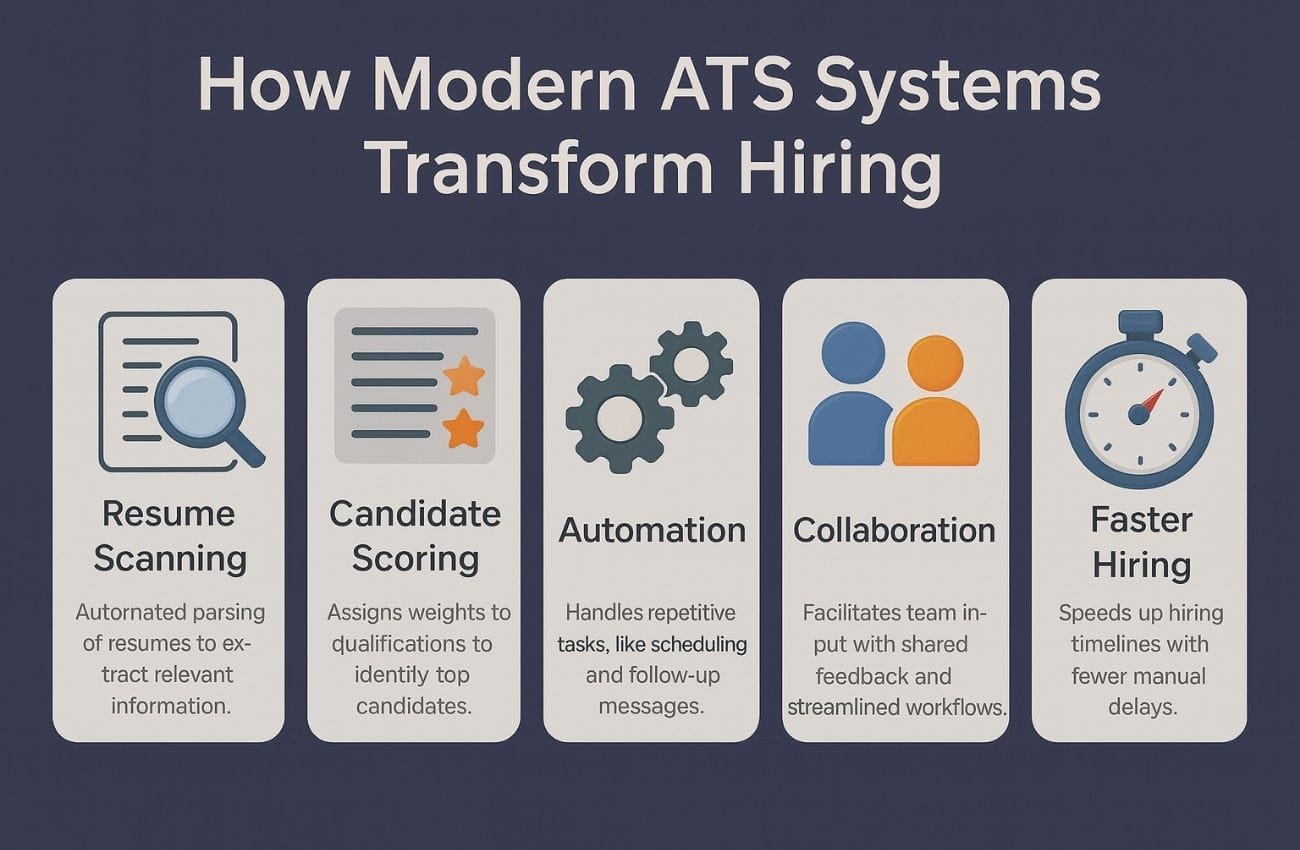
Key Takeaways
These key points summarize how modern applicant tracking systems reshape recruiting, streamline workflows, and influence both employers and job seekers navigating today’s technology-driven hiring landscape.
- Strategic Automation: Applicant tracking systems automate repetitive recruitment tasks, freeing hiring teams to focus on evaluating candidate quality, cultural fit, and long-term potential.
- Smarter Screening: Well-configured
ATS tools quickly filter large resume volumes using criteria, keywords, and experience thresholds that align with clearly defined hiring requirements. - Collaborative Hiring: Centralized candidate profiles and real-time updates enhance communication among recruiters, hiring managers, and stakeholders, facilitating more consistent and data-informed decision-making.
- Candidate Perception: Transparent communication and timely status updates create a more substantial candidate experience, which directly influences employer brand and future applicant quality.
- Job Seeker Impact:
ATS -driven hiring forces applicants to use clean formatting, targeted keywords, and tailored resumes to ensure their profiles are seen and reasonably evaluated.
Understanding Applicant Tracking Systems
Hiring and recruiting the right staff can be exhausting when handled manually. Modern applicant tracking systems, such as the
These tools are often described as talent management systems because they touch every stage of the hiring journey. From job posting and application intake to interview coordination and documentation, an
How ATS Supports Modern Hiring Strategies
Organizations now recruit in a digital-first environment, where candidates apply through career sites,
Surveys indicate that the overwhelming majority of large employers rely on
Automating Applicant Tracking and Organization
Automation sits at the heart of every applicant tracking system. Instead of manually collecting forms, resumes, and supplemental documentation, recruiters can utilize online applications and structured fields that automatically populate candidate profiles. The
Key processes that automation supports include intake, status updates, and archiving. Over time, archived candidates form a valuable talent pool for future roles, reducing the time required to fill new openings. Guides, such as the iSmartRecruit ATS guide for recruiters, can help teams design workflows that mirror their current hiring practices while leveraging automation, organization, and analytics.
Faster, Smarter Resume Screening
Screening resumes manually can consume hours for every open role, especially when a single job posting attracts hundreds of applicants. An
Rather than skimming every document from top to bottom, recruiters can review a prioritized list of candidates whose profiles closely match the defined requirements. Tools such as the Recruitee applicant tracking system guide explain how ranking and scoring work behind the scenes, helping hiring teams strike a balance between efficiency and fairness, and avoid unintentionally excluding promising applicants.
Collaborative Hiring and Shared Insight
Most organizations do not rely on a single person to make hiring decisions. Recruiters, hiring managers, peers, and leadership often weigh in at different stages. Without a shared system, updates can be lost in emails or hallway conversations, creating confusion and delays. An
Real-time updates allow teams to respond quickly when a strong candidate emerges. Instead of waiting for manual reports, decision-makers can view pipeline changes in real-time, discuss candidate strengths, and collaborate on how to proceed. This collaborative approach reduces miscommunication, strengthens accountability, and ensures hires are made with broad organizational awareness rather than isolated judgments.
Elevating the Quality of Each Hire
The quality of hire depends on identifying what differentiates top performers from average candidates and then aligning the screening process with those attributes. Articles like 8 Things That Differentiate You from Other Candidates highlight the kinds of characteristics employers value. An
By automating movement through the pipeline, HR professionals regain time to engage deeply with finalists instead of spending time on paperwork. They can ask more effective questions, conduct structured interviews, and evaluate candidates more objectively. When follow-up communication is also automated and logged, everyone—from hiring teams to applicants—stays informed about what comes next, reducing uncertainty and strengthening trust in the process.
How ATS Technology Impacts Job Hunters
For job seekers, applicant tracking systems introduce both opportunity and risk. Resumes are often scanned by software before being reviewed by a human, so formatting, keywords, and clarity are crucial. Applicants who mirror the language of the job description, highlight measurable results, and avoid overly complex layouts are more likely to pass initial filters and appear in recruiter shortlists.
ATS platforms also influence the overall candidate experience. Automated status updates keep applicants informed, but the tone can feel less personal if messages are not thoughtfully written. Job hunters who understand how these systems read content can better position their skills, strategically adjust their resumes for each role, and remain patient. At the same time, technology-driven processes unfold behind the scenes.
Streamlining the Hiring Cycle
One of the greatest strengths of
Communication features within the ATS help ensure candidates receive timely instructions and confirmations. Platforms inspired by productivity tools like Todoist – Make teamwork simple, show how structured workflows minimize confusion. Instead of tracking everything in personal to-do lists, recruiters rely on system-driven prompts that keep interviews, evaluations, and offer discussions on track.
Improving Candidate Experience and Employer Brand
Every interaction with a job seeker contributes to your employer brand, whether or not that person is ultimately hired. A transparent, respectful process encourages candidates to speak positively about your organization, even when they are not selected. Conversely, silence or confusing communication can damage reputation and discourage top talent from applying to future roles.
Automated messaging within an
Supporting Resumes and Professional Materials
Because ATS platforms parse and analyze resume content, job seekers benefit from tools that help them structure documents effectively. Services like Kickresume and other professional builders focus on clean layouts that remain visually appealing while still being easily readable by automated systems. This balance between design and structure supports both human reviewers and screening software.
Employers can also encourage candidates to submit well-structured materials by offering clear guidance in job postings. When expectations regarding format and content are transparent, applicants are more likely to meet them, which simplifies the evaluation process. Professional support options, such as Proresumes, can further help candidates present themselves clearly, ultimately making it easier for employers to compare qualifications.
Implementing ATS in a Thoughtful Hiring Strategy
An
Successful implementation also requires ongoing refinement. As roles evolve, talent markets shift, and new tools emerge,
Next Steps
Turning
- Review your current recruiting workflow and document every step where candidates move, then identify where
ATS automation can reduce friction and errors. - Define your ideal candidate profiles for key roles, including must-have skills and achievements, and configure
ATS filters to reflect those priorities. - Evaluate your candidate communications for clarity and tone, revising templates to ensure automated messages are transparent, respectful, and consistent with your brand.
- Provide training for recruiters and hiring managers on utilizing
ATS features, with an emphasis on shared notes, structured evaluations, and data-informed decision-making. - Collect feedback from recent candidates and hiring teams, and use those insights to refine
ATS settings, interview stages, and follow-up practices.
Final Words
Modern applicant tracking systems transform hiring by combining automation, structure, and data with human judgment. When thoughtfully implemented, they reduce administrative strain, sharpen decision-making, and create a more transparent candidate experience. By aligning your
You’ll learn how to use social media to build an open, engaging two-way conversation with potential employees.



Mark Fiebert is a former finance executive who hired and managed dozens of professionals during his 30-plus-year career. He now shares expert job search, resume, and career advice on CareerAlley.com.