- Key Takeaways
- Networking Opportunities That Open Doors
- Growing Into Leadership Roles in Healthcare
- Rising Demand for Healthcare Leaders
- Interdisciplinary Skills That Drive Impact
- Competitive Salaries and Advancement Potential
- Strategic Impact on Patient Outcomes
- Expanding Career Flexibility Across Healthcare Sectors
- Diverse Leadership Paths Beyond Hospital Administration
- Key Skills Developed Through an MHA Program
- Resources
- Next Steps
- Final Words
We may earn a commission if you click on a product link and make a purchase at no additional cost to you. For more information, please see our disclosure policy.
Last updated: October 30, 2025

Key Takeaways
- High Leadership Demand: Healthcare organizations urgently need skilled administrators who can effectively navigate complex regulations, systems, and rapidly evolving medical environments.
- Strong Earning Potential: Medical and health services managers earn competitive salaries, with opportunities for long-term growth and advancement.
- Valuable Professional Network: Graduate programs connect you with faculty, alumni, and associations that unlock jobs and mentorship.
- Interdisciplinary Expertise: MHA programs blend business, policy, ethics, and clinical operations to build versatile leadership capabilities.
- Growing Career Market: Management roles expand as technology and demographics reshape care delivery and compliance needs.
The modern healthcare system is evolving rapidly. New regulations, medical technology, and patient expectations are reshaping hospitals, clinics, and healthcare networks worldwide. As systems grow more complex, organizations rely on skilled administrators who can lead teams, manage compliance, optimize patient services, and drive strategic change. For professionals passionate about healthcare and ready to shape the future of the industry, a Master’s Degree in Healthcare Administration (MHA) can unlock leadership opportunities and meaningful impact.
Explore six compelling reasons to pursue a Master’s Degree in Healthcare Administration and boost your career potential in this dynamic industry.
Graduates develop a balance of business insight and healthcare-specific knowledge, enabling them to take on leadership responsibilities and drive improvement within medical organizations. This blog will discuss several compelling reasons why earning a master’s degree in healthcare administration is a wise choice, whether you are a healthcare professional seeking to advance your career or a recent graduate looking to make your mark.

This book is intended for someone curious to learn more about a career in healthcare, but not certain if it is right for them, or if the industry would be a good fit for them.

Networking Opportunities That Open Doors
MHA programs provide direct access to healthcare leaders, faculty with industry experience, and driven peers—relationships that can lead to mentorship, targeted advice, and job referrals.
- Programs feature professors and guest speakers who actively work in major healthcare systems, sharing firsthand insight.
- Online options such as Regis College’s online MHA enable networking through virtual classrooms, forums, and collaboration spaces.
- Team-based projects and case studies form professional bonds that often lead to future partnerships and warm introductions.
- Universities maintain active alumni networks that create
internship pipelines and job placement support. - Professional groups, such as ACHE and HFMA, host events that expand your connections and industry awareness.
Growing Into Leadership Roles in Healthcare
MHA curricula build executive-level skills for managing healthcare systems across hospitals, nursing facilities, private practices, and consulting firms. Training emphasizes:
- Organizational leadership and workforce management
- Healthcare law, ethics, and regulatory compliance
- Strategic planning and operational improvement
- Budgeting, finance, and resource allocation
- Critical thinking and evidence-based decisions
These competencies are applicable across various environments and are reinforced through real-world cases. For roles such as Healthcare Administrator, Operations Director, or Hospital Manager, an MHA provides the practical foundation necessary to lead.
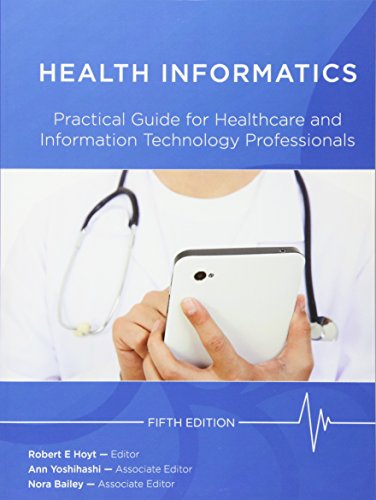
Focuses on the application of information technology (IT) to the field of medicine to improve individual and population healthcare delivery, education and research.
Rising Demand for Healthcare Leaders
The healthcare sector continues to expand due to population growth, longer life expectancy, and advancements in care and technology—fueling demand for skilled leadership.
According to the U.S. Bureau of Labor Statistics, employment for medical and health services managers is projected to grow 28 percent from 2021 to 2031—much faster than average. As organizations adapt to evolving regulations and digital transformation, administrators play a crucial role in ensuring efficiency and achieving optimal outcomes.
Interdisciplinary Skills That Drive Impact
An MHA blends multiple disciplines—finance, operations, HR, policy, ethics, public health, and informatics—so graduates can evaluate challenges from numerous angles and design practical solutions.
- Finance: budgeting, forecasting, and capital planning
- Policy & law: compliance, risk, and governance
- People: staffing models, development, and culture
- Informatics: data-driven decisions and quality metrics
- Public health: community needs and prevention strategies
This breadth equips leaders to manage resources, adapt to policy changes, and improve operations across hospitals, government agencies, insurers, and nonprofits.

Explore all the employment opportunities in healthcare and choose the right career path for you.
Competitive Salaries and Advancement Potential
Healthcare administrators are among the best-compensated professionals outside clinical practice. Pay reflects the strategic scope and responsibility of these roles.
The median annual salary for medical and health services managers is $117,960, with senior positions often exceeding $150,000 depending on experience, specialization, and location. A master’s degree accelerates movement into upper-management tracks and executive pipelines.
Strategic Impact on Patient Outcomes
Healthcare administrators play a direct role in shaping how care is delivered, even if they are not treating patients themselves. With an MHA, leaders focus on designing care models, improving patient flow, and boosting overall healthcare quality. Their efforts support frontline teams, strengthen patient trust, and promote safer, more efficient healthcare environments that evolve with changing medical standards and public health needs.

101 Answers to FAQs about Public Health is the student, professional, and organizational leadership guide to landing - and being successful in the public health industry.
Expanding Career Flexibility Across Healthcare Sectors
One of the most significant advantages of a healthcare administration degree is the range of career paths it opens up. Whether managing hospital departments, leading public health programs, or working in healthcare consulting, graduates can choose roles aligned with their strengths. This flexibility fosters long-term stability, encourages career growth, and enables professionals to adapt as their interests and industry demands evolve.
Diverse Leadership Paths Beyond Hospital Administration
An MHA prepares graduates for leadership roles in a wide range of environments, expanding opportunities beyond hospitals to encompass the entire healthcare ecosystem. This breadth allows professionals to find mission-driven roles that fit their expertise while also increasing resilience in a changing job market.
- Health Systems: Oversee operations, quality, and strategic initiatives that support patient care and organizational growth.
- Public Health Organizations: Lead community-focused programs that improve population health and access to essential services.
- Insurance and Managed Care: Guide policies, claims, and member services for more efficient and transparent healthcare delivery.
- Healthcare Consulting: Advise hospitals, startups, and government agencies on efficiency, compliance, and strategic planning.
Focuses on the application of information technology (IT) to the field of medicine to improve individual and population healthcare delivery, education and research.
Key Skills Developed Through an MHA Program
MHA programs build a combination of leadership, analytical, and operational skills that translate directly to real-world responsibility. Graduates leave with a foundation that strengthens decision-making and prepares them to guide complex healthcare organizations.
- Healthcare Finance: Understand budgeting, reimbursement models, and capital planning to ensure sustainable operations.
- Policy and Compliance: Navigate healthcare laws, regulations, and ethical considerations with confidence and precision.
- Data-Driven Leadership: Utilize analytics, reporting, and quality metrics to inform and guide strategic improvement initiatives.
- Organizational Management: Build, inspire, and develop teams while maintaining a culture focused on patient outcomes and accountability.
Resources
- American College of Healthcare Executives (ACHE): Leadership resources and events (ACHE).
- U.S. Bureau of Labor Statistics: Role outlook and compensation data (BLS).
- Commission on Accreditation of Healthcare Management Education: Accredited program directory (CAHME).
- Healthcare Financial Management Association: Finance and operations insights (HFMA).
- Centers for Disease Control and Prevention: Public health trends and guidance (CDC).

JobTestPrep can help you get ready with their Pharmaceuticals & Health Bundle, which includes practice tests & study guides
Next Steps
- Assess Programs: Compare on-campus vs. online MHA options, checking accreditation, faculty experience, and career placement outcomes.
- Speak With Alumni: Message recent grads about coursework, internships, residencies, and first roles after graduation.
- Pick a Focus: Consider operations, policy, health IT, or population health to tailor electives and projects.
- Plan Financing: Explore employer tuition assistance, federal aid, scholarships, and grants.
- Build Experience: Pursue internships or administrative roles now to strengthen your application and speed post-grad placement.
Final Words
An MHA equips you to lead in one of the world’s most essential industries. With growing demand, substantial compensation, and the opportunity to enhance patient care and organizational performance, this degree offers both purpose and advancement. Whether you are transitioning from a clinical role or entering healthcare from a business background, the MHA provides the skills, network, and credibility to advance—and make a real impact on the systems that serve our communities.

Mark Fiebert is a former finance executive who hired and managed dozens of professionals during his 30-plus-year career. He now shares expert job search, resume, and career advice on CareerAlley.com.