

- Key Takeaways
- Driving Careers Worth Considering
- Commercial Truck Driver
- Delivery Driver
- Passenger Transportation and Coach Driver
- Vehicle Safety Tester
- Road Traffic Accident Investigator
- Other Careers That Involve Regular Travel
- How to Choose the Right Driving Career
- Training, Licensing, and Career Advancement
- Further Guidance & Tools
- Next Steps
- Final Words
We may earn a commission if you click on a product link and make a purchase at no additional cost to you. For more information, please see our disclosure policy.
Last updated: November 16, 2026
Key Takeaways
- Different Career Paths: Trucking, delivery, passenger transportation, vehicle testing, and accident investigation offer distinct opportunities for people interested in driving-related work.
- Licensing Requirements Vary: Commercial trucking and many passenger transportation jobs require specialized licenses, while some delivery positions require only a valid driver’s license.
- Consider the Lifestyle: Long-haul trucking involves extended travel, while local delivery and passenger transportation positions may offer more predictable time at home.
- Compare Total Compensation: Evaluate wages alongside overtime, benefits, vehicle expenses, training costs, and unpaid working time before accepting a driving position.
- Advancement Takes Planning: Additional endorsements, specialized experience, safety records, and management skills can create opportunities beyond entry-level driving positions.
Driving careers offer opportunities for people who enjoy working independently, traveling between locations, or spending less time in a conventional office. But making a living behind the wheel involves more than enjoying the open road. Different driving jobs have very different licensing requirements, schedules, responsibilities, and earning potential.
Some positions involve transporting freight across the country, while others focus on local deliveries, passenger transportation, or testing vehicles. Related careers also require driving but emphasize technical analysis or community service. Understanding these differences can help you choose a career that fits your skills, financial expectations, and preferred lifestyle.
Driving Careers Worth Considering
The best driving career depends on whether you want to transport goods, work with passengers, operate specialized vehicles, or combine driving with other professional responsibilities. Each option offers a different balance of independence, training, compensation, and time away from home.
Commercial Truck Driver
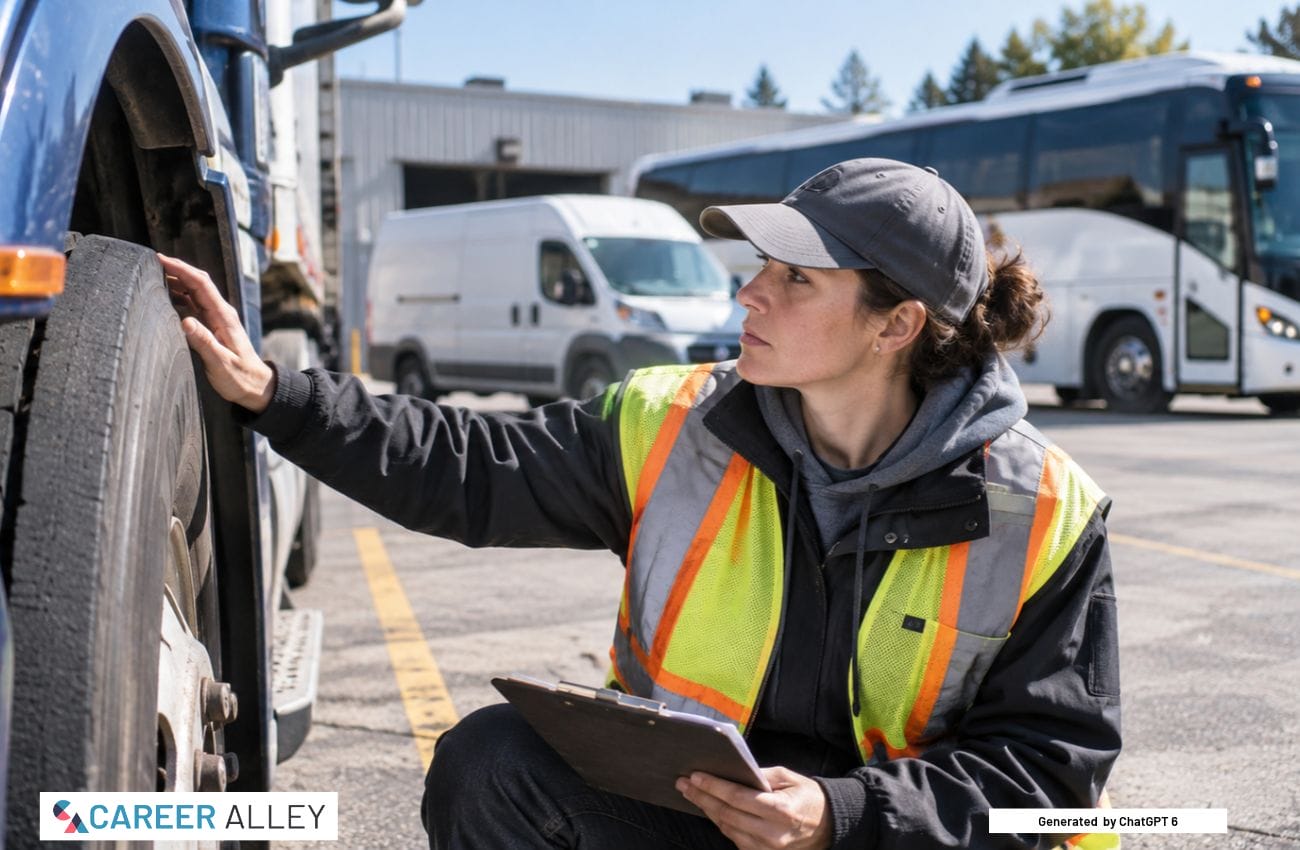
Commercial trucking is one of the most established driving career paths. Truck drivers transport freight between warehouses, distribution centers, manufacturing facilities, and customers. Some operate locally or regionally, while long-haul drivers travel across multiple states and may spend days or weeks away from home.
According to the U.S. Bureau of Labor Statistics (BLS), heavy and tractor-trailer truck drivers earned a median annual wage of $58,640 in May 2025. Compensation varies by employer, freight type, route, experience, and payment structure.
Most heavy truck driving positions require a Commercial Driver’s License (CDL). Under Federal Motor Carrier Safety Administration (FMCSA) rules, individuals obtaining their first Class A or Class B CDL generally must complete applicable entry-level driver training through a registered provider before taking the skills test.
Employer-supported training can help prospective drivers enter the industry. For example, Knight Transportation offers CDL training programs that include classroom instruction, practical driving experience, and opportunities for supervised on-the-road training.
Before committing to a training program, research tuition, reimbursement terms, employment commitments, and whether completing the program guarantees an interview or only makes you eligible for consideration.
For professional drivers evaluating communication equipment, the Trucker Bluetooth Headset with Noise-Canceling Microphone is one equipment option to consider. Drivers should follow employer policies and applicable hands-free device rules.
For people who prefer working independently and traveling long distances, trucking can be attractive. However, extended hours behind the wheel, irregular schedules, limited time at home, and strict safety regulations make the lifestyle unsuitable for everyone.
Delivery Driver
Delivery driving offers a potentially more accessible entry point into transportation careers. Drivers transport packages, groceries, food, or commercial goods to customers within assigned service areas. Depending on the employer, the work may involve a company-owned vehicle or the driver’s personal car.
The BLS reported a May 2025 median annual wage of $44,860 for light truck drivers. This figure describes an occupational category and should not be treated as the expected earnings of every app-based delivery worker or independent contractor.
Many local delivery positions require a standard driver’s license and a satisfactory driving record rather than a CDL. Larger vehicles or specialized operations may trigger additional requirements.
Delivery employment arrangements also differ substantially:
- Company Drivers: Employees may receive regular schedules, employer-provided vehicles, training, and benefits depending on the position.
- Independent Contractors: Drivers may control some aspects of their schedules but may be responsible for fuel, maintenance, insurance, and other operating expenses.
- Commercial Route Drivers: These workers often follow established routes, manage deliveries, and maintain customer relationships for distributors or service businesses.
Drivers using navigation apps may find an ANDERY MagSafe Car Phone Mount helpful for positioning their phone before a route. Check device compatibility, local mounting laws, and employer rules; never handle the phone while driving.
Before accepting an opportunity, calculate earnings after expenses and determine whether loading, waiting, and returning from deliveries are compensated. Flexibility has value, but it should not hide the true cost of operating a vehicle.
Passenger Transportation and Coach Driver
Passenger transportation careers include city bus drivers, intercity coach drivers, charter operators, school bus drivers, and certain specialized transportation services. These positions suit people who enjoy driving while also working directly with customers or passengers.
The responsibilities extend well beyond operating a vehicle. Drivers must follow safety procedures, maintain schedules, assist passengers when appropriate, inspect equipment, and respond professionally to changing road conditions.
Commercial bus and coach operators generally need the appropriate CDL and passenger endorsement. School bus positions may require additional endorsements, background screening, and training. Requirements vary by position and jurisdiction.
According to the BLS, transit and intercity bus drivers earned a median annual wage of $59,050 in May 2025, while school bus drivers earned $47,920.
Charter and tour operations can provide opportunities to visit different locations, but travel is not always recreational. Drivers remain responsible for schedules, vehicle safety, passenger needs, and applicable working-hour restrictions.
For a broader discussion of related occupations, CareerAlley’s article Skilled At Or Enjoy Driving? explores how driving abilities can translate into career opportunities.
Vehicle Safety Tester
Vehicle testing combines automotive interests with technical evaluation. Testing professionals may assess vehicle performance, durability, handling, safety systems, or compliance with engineering specifications.
Not every testing position requires an engineering degree. Some technician and test-driver roles emphasize mechanical knowledge, specialized training, experience, and accurate documentation of results. Engineering and advanced vehicle development positions often require more extensive technical education.
Unlike conventional transportation jobs, vehicle testing focuses on evaluating how vehicles perform rather than moving goods or passengers.
Successful candidates need attention to detail, disciplined driving habits, accurate documentation skills, and a strong understanding of safety procedures. Technical familiarity with diagnostic equipment and vehicle systems can improve employment prospects.
Readers who enjoy both automotive technology and driving can explore other automotive industry careers before choosing a specialization.
Road Traffic Accident Investigator
Road traffic accident investigators examine collisions to determine what occurred and identify contributing factors. Their responsibilities may include inspecting accident scenes, documenting physical evidence, reviewing vehicle damage, studying roadway conditions, and preparing technical reports.
These positions exist in law enforcement, insurance, engineering consulting, and specialized investigation services. Some investigators focus primarily on evidence collection, while accident reconstruction specialists use physics, mathematics, and technical analysis to evaluate collisions.
Educational and professional requirements depend on the employer and the level of technical responsibility. Relevant backgrounds can include law enforcement, automotive engineering, collision repair, and forensic investigation.
Investigators may work with insurance professionals, engineers, and lawyers involved in claims or litigation.
Although traveling between locations may be part of the job, this is not primarily a driving occupation. It suits someone interested in technical problem-solving and investigative work better than someone whose main goal is spending the workday behind the wheel.
Other Careers That Involve Regular Travel
Some occupations involve substantial time on the road without making driving the primary responsibility. These jobs may appeal to people who want changing work locations but are less interested in commercial transportation.
For example, a career as a community support worker may involve visiting clients in homes, community facilities, or other service locations. The main responsibilities involve assisting individuals rather than transporting passengers or freight.
Similarly, tour guides may accompany groups between destinations, but their primary responsibilities often involve presenting information, coordinating activities, and assisting travelers. Driving duties depend on the employer, location, and licensing requirements.
Organizations also coordinate coaches for various trips or even leading school expeditions as part of organized travel activities. Such expedition programs should not be confused with commercial coach-driving employment opportunities.
Remote professionals sometimes travel while working from recreational vehicles or vans. However, digital nomad work is fundamentally different from earning a living by driving. Someone interested in that lifestyle should evaluate their remote employment arrangements, reliable internet access, insurance, and the costs of maintaining a mobile home.
How to Choose the Right Driving Career
Rather than choosing a position based on its title or advertised earning potential, compare opportunities based on the practical requirements of day-to-day work.
- Time Away From Home: Long-haul trucking may involve extended absences, while local delivery and some passenger transportation jobs may offer more predictable schedules.
- Training Investment: Commercial driving credentials may require formal instruction, testing, medical qualification, and associated expenses. Entry-level delivery work generally involves fewer licensing barriers.
- Physical Demands: Consider loading freight, helping passengers, prolonged sitting, repetitive movement, and exposure to different weather conditions.
- Employment Structure: Compare salaried, hourly, mileage-based, and independent-contractor arrangements, including benefits and personal operating costs.
- Advancement Potential: Specialized credentials, supervisory experience, training responsibilities, and operational knowledge may create opportunities for career progression.
For example, someone who values predictable evenings at home may prefer local delivery over long-haul trucking, even if the latter offers higher potential compensation. Conversely, a driver comfortable with extensive travel might pursue regional trucking or specialized freight transportation.
Consider total compensation, not advertised wages alone. A position with higher gross earnings may become less attractive once you account for unpaid waiting time, vehicle expenses, irregular hours, or time away from home.
Training, Licensing, and Career Advancement
Driving careers offer several entry points, but requirements depend on the vehicle, occupation, employer, and jurisdiction.
Readers investigating the profession can also consult How To Become a Truck Driver: Your Step-By-Step Guide to Becoming a Trucker for an introductory perspective. Confirm current licensing rules with official sources rather than relying on a book alone.
Prospective commercial drivers should begin by identifying the correct license classification and any required endorsements. The FMCSA establishes federal standards for commercial licensing and entry-level driver training, while state licensing agencies administer licenses and may impose additional requirements.
After obtaining the appropriate credentials, drivers can strengthen their prospects through safe driving practices, reliable attendance, route-planning skills, customer service, and familiarity with transportation technology.
Experienced drivers may pursue specialized freight, passenger transportation, dispatching, training, fleet supervision, or transportation management. Some eventually consider business ownership, although operating a commercial transportation business introduces regulatory, insurance, financing, and management responsibilities. For those evaluating that step, Trucking Business Startup: The Complete Step-By-Step Guide offers a business-oriented starting point.
Safety performance is especially important. Employers may evaluate driving records, accident histories, and compliance with applicable transportation regulations. Accurate records and a clear understanding of professional responsibilities can affect future employment opportunities.
Career development should also reflect the work you want to perform long term. Additional endorsements can be useful, but only when they support positions that fit your interests and justify the required training investment.
Further Guidance & Tools
- Commercial Licensing: Review FMCSA’s CDL requirements to understand licensing steps, entry-level training, and testing requirements.
- Driving Career Data: Explore BLS truck driver career information for occupational duties, pay, training, and employment outlook.
- Training Programs: Use the Training Provider Registry to identify registered providers offering federally required commercial driver training.
Next Steps
- Compare Careers: Identify three driving occupations and compare daily responsibilities, schedules, qualification requirements, and realistic earning potential in your region.
- Check Licensing: Review your state’s licensing requirements and determine whether your preferred occupation requires commercial training, endorsements, or medical certification.
- Evaluate Training: Compare registered training providers, tuition costs, employer reimbursement agreements, and job placement assistance before committing financially.
- Research Employers: Review current job postings and compare compensation structures, benefits, routes, equipment, and expectations for time away from home.
- Prepare Applications:
Update your resume to emphasize driving experience, safety awareness, customer service, relevant credentials, and other qualifications employers request.
Final Words
A successful driving career depends on finding the right balance between earnings, independence, training, and lifestyle. The appeal of traveling for work can be substantial, but everyday responsibilities matter more than the idea of life on the road. Before committing, investigate actual job requirements and speak with experienced professionals whenever possible. Choosing carefully can help you build a sustainable career rather than simply finding another way to earn money behind the wheel.
Whether you are thinking about becoming a driver or a veteran wondering about UberPool and tax help, The Rideshare Guide by the Rideshare Guy has the answers.






Mark Fiebert is a former finance executive who hired and managed dozens of professionals during his 30-plus-year career. He now shares expert job search, resume, and career advice on CareerAlley.com.
Discover more from CareerAlley
Subscribe to get the latest posts sent to your email.

