- Key Takeaways
- Why Your Skill Set Matters More Than Ever
- Understand Hard Skills And Soft Skills
- Identify The Skills You Already Have
- Compare Your Skills Against Real Job Demand
- Set Career Goals Before Choosing Training
- Use Mentors, Feedback, And Organization
- Choose The Right Way To Build New Skills
- Show Your Skills Clearly In Applications
- Further Guidance & Tools
- Next Steps
- Final Words
- Additional Resources
We may earn a commission if you click on a product link and make a purchase at no additional cost to you. For more information, please see our disclosure policy.
Last updated: April 25, 2026

By Mark Fiebert
Key Takeaways
- Build Skill Proof: Employers want evidence, so connect your skills to measurable outcomes, projects, work samples, and clear examples.
- Balance Both Types: Hard skills help you qualify, while soft skills show how effectively you collaborate, solve problems, and lead.
- Audit Regularly: Review your strengths, gaps, achievements, and job postings often so your skill set stays aligned with real demand.
- Learn Strategically: Choose courses, credentials, mentors, or projects that support a specific career goal instead of collecting random training.
- Show Growth:
Your resume , LinkedIn profile, and interviews should prove how you use skills, not simply list them.
Why Your Skill Set Matters More Than Ever
A skill set is the combination of abilities you use to perform work, solve problems, communicate, learn, and deliver results. It includes technical knowledge, personal strengths, workplace habits, and the judgment you build through experience. The stronger and more current your skill set becomes, the easier it is to compete for better roles, adapt to change, and create more career options.
Skill development is no longer something you do only when you are looking for a new job. Employers are paying closer attention to practical capability, proof of work, digital fluency, and adaptability. Investing in your skills can help you find a job, qualify for a promotion, shift into a stronger

Employers are looking for candidates that have soft skills and hard skills. Soft Skills versus Hard Skills help identify what people need to gain meaningful employment. Having a career readiness certificate will provide a solid foundation for a rewarding career.

Understand Hard Skills And Soft Skills
Most professional skill sets include both hard skills and soft skills. Hard skills are teachable, task-based abilities such as data analysis,
Soft skills are the interpersonal and judgment-based strengths that affect how you work with people and handle pressure. Communication, conflict resolution,
Identify The Skills You Already Have
Before you decide what to learn next, take inventory of what you already bring to the table. Many professionals overlook valuable abilities because those skills feel routine to them. Start by reviewing your current work, past jobs, volunteer experience, side projects, hobbies, and recurring responsibilities. The goal is to identify both what you can do and where you have evidence that it works.
- Look At Results: Review projects, promotions, awards, completed goals, process improvements, customer wins, and problems you helped solve.
- Notice Patterns: Pay attention to what managers, coworkers, clients, or friends repeatedly ask you to help with.
- Study Enjoyment: Activities you enjoy may reveal skills worth strengthening, especially if they involve teaching, organizing, writing, analyzing, designing, or leading.
- Ask Others: Request specific feedback from people who will be honest about your strengths and weaknesses, not just encouraging.
Ready to reimagine your career?
Get the skills and real-world experience employers want with Career Accelerators.
Compare Your Skills Against Real Job Demand
Once you understand your current skill set, compare it with the roles you want next. Do not rely on one job description. Review several postings for the same role and look for recurring skills, tools, certifications, responsibilities, and outcomes. This gives you a more realistic picture of the market than guessing or following generic career advice.
This matters in
Set Career Goals Before Choosing Training
Skill development works best when it supports a defined goal. Setting clear career goals helps you decide which skills matter now, which can wait, and which are not worth your time. A vague goal such as “improve my career” is hard to act on. A stronger goal might be “move into a marketing analyst role within twelve months” or “qualify for a supervisor position by the next review cycle.”
After setting the goal, build a simple timetable. Include the skills you need, the training or practice required, the proof you will create, and the milestone dates you will use to check progress. This keeps learning from becoming scattered and helps you avoid paying for programs that sound impressive but do not move you closer to a specific outcome.
Learn without limits
Start, switch, or advance your career with more than 5,800 courses, Professional Certificates, and degrees from world-class universities and companies.
Use Mentors, Feedback, And Organization
A career mentor can help you see blind spots, choose smarter development priorities, and understand what actually matters in your field. A mentor does not need to manage your career for you. The best mentoring relationships are practical, focused, and built around specific questions or goals.
Once you have guidance, organize your development plan so it becomes part of your routine. Track courses, practice projects, feedback, reading, networking conversations, and completed milestones. Also, ask for constructive criticism from supervisors, coworkers, clients, or trusted peers. Specific feedback is more useful than broad praise because it tells you what to improve next.
Choose The Right Way To Build New Skills
Not every skill requires a degree. Some career paths do require formal education, licensing, or continuing education, but others can be supported through short courses, certificates, employer training, independent projects, professional associations, or hands-on practice. If you are considering an online degree program, weigh the time commitment, cost, transfer credits, employer value, and alignment with your target role before enrolling.
Continuing education can also be useful when your field changes quickly or when employers expect ongoing training. Some courses are taught by experienced professionals and focus on practical application. For example, EMT training offers hands-on preparation for medical emergency care. In other fields, joining a professional society can help you spot trends, learn from peers, and identify skills that are becoming more valuable in your niche.

Get everyone on the same page with an all-in-one employee training platform — built to document faster, drive consistency, reduce costly mistakes, and make trusted answers easy to find. So “Wait, how do I…?” becomes “Already done.”
Show Your Skills Clearly In Applications
Your resume should not claim skills you do not have. If you are still learning something, be honest about your level and show progress where appropriate. For example, you might list beginner aptitude only when it is accurate and relevant. Tools such as resume builders and aptitude resources can help you present and evaluate skills more clearly, but honesty still matters.
If you lack one skill for a role, you can still apply if the rest of your background is strong. Address the gap by showing related experience, a current learning plan, and the ability to learn quickly. Some employers provide on-the-job training during or after the
Further Guidance & Tools
- Skill Profiles: Use O*NET OnLine to research skills, knowledge, tasks, and work activities tied to specific occupations.
- Skills Matcher: Try CareerOneStop’s Skills Matcher to compare your strengths with career options that may fit.
- Career Outlook: Review the Occupational Outlook Handbook to understand education, duties, pay, and outlook by occupation.
- Learning Paths: Explore LinkedIn Learning for job-focused courses tied to business, technology, communication, and leadership skills.
- Course Options: Search Coursera Career Academy for structured learning paths connected to in-demand professional skills.

Online Learning MASTERY guides and provides you with practical tips that you can apply in your daily life so you can be closer to your brighter future.
Next Steps
- Audit Skills: List your hard skills, soft skills, achievements, tools, and repeated responsibilities in one working document.
- Compare Jobs: Review several target postings and highlight the skills, credentials, and experience employers request most often.
- Pick Gaps: Choose one or two high-value gaps to improve first instead of trying to learn everything at once.
- Build Proof: Create examples, projects, metrics, or work samples that show how you use each important skill.
- Update Materials: Revise
your resume and profile so your skills connect directly to the roles you want next.
Final Words
Your skill set is one of the most practical tools you have for career growth,
Additional Resources
-

$19.00$17.25Getting an MBA is an expensive choice-one almost impossible to justify regardless of the state of the economy. Josh Kaufman founded PersonalMBA.com as an alternative to the business school boondoggle.Learn MoreWe earn a commission if you click this link and make a purchase at no additional cost to you.
03/04/2026 06:05 am GMT -
Learn More
Learn without limits
Start, switch, or advance your career with more than 5,800 courses, Professional Certificates, and degrees from world-class universities and companies.
We earn a commission if you click this link and make a purchase at no additional cost to you.
-
 Learn More
Supercharge your legal career, on your own terms. Expertly designed, personalized courses and tutoring reinvented for modern education.
We earn a commission if you click this link and make a purchase at no additional cost to you.
-
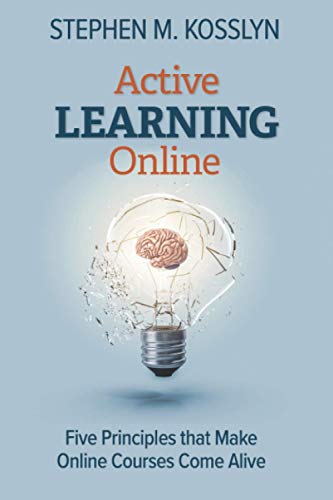
$26.99$20.92Learn MoreThis book offers a treasure trove of active learning principles and activities to bring online courses alive. Whether your course is synchronous (e.g., live with Zoom) or asynchronous (e.g., using video content on Canvas),
We earn a commission if you click this link and make a purchase at no additional cost to you.
04/26/2026 04:03 pm GMT -
 Learn New Skills
Prove Mastery Through Hands-On Projects
Our open-ended projects are modeled after real-world workplace scenarios, and require in-depth critical thinking and creative solutions.
Succeed with Personalized Feedback
Every project receives personalized feedback from industry experts, and our mentors are available to answer questions whenever you're feeling stuck.
We earn a commission if you click this link and make a purchase at no additional cost to you.
-
 Learn New Skills
Explore your creativity with classes in illustration, photography, design, and more. Get unlimited access to classes on illustration, photography, design, film, music, and more.
We earn a commission if you click this link and make a purchase at no additional cost to you.
-
 Get Started for Free
Build the real-world skills you need to stand out to employers hiring for entry-level roles with Chegg Skills. Select a career path below to access exclusive internships and gain real-world skills. Students who add top skills to their resume are 3x more likely to hear back from potential employers
We earn a commission if you click this link and make a purchase at no additional cost to you.
-
 Learn More
Learn Finance with Top Industry Experts. The 365 Financial Analyst program equips you with the versatile skillset you need to start a career in data science
We earn a commission if you click this link and make a purchase at no additional cost to you.
-
 Browse Courses
GET YOUR OSHA SAFETY TRAINING ONLINE
OSHAcampus® by 360training has the online safety training courses you need to meet your compliance requirements and get to work fast.
We earn a commission if you click this link and make a purchase at no additional cost to you.
-
Enroll for Free
Six Sigma Yellow Belt Specialization
Improve Your Career With Six Sigma Knowledge. Learn proven principles and tools to improve quality assurance in your organization
We earn a commission if you click this link and make a purchase at no additional cost to you.
-
Enroll for Free
Google UX Design Professional Certificate
Get on the fast track to a career in UX design. In this certificate program, you'll learn in-demand skills at your own pace, no degree or experience required.
We earn a commission if you click this link and make a purchase at no additional cost to you.
-
 Learn More
LEARN PROMPT ENGINEERING FROM EXPERTS TO BECOME AN AI PRO
Build a bright career in AI as a Certified Prompt Engineer with our new accredited Certified Prompt Engineering Expert certification.
We earn a commission if you click this link and make a purchase at no additional cost to you.
-
 Find a Course
Our practical focus-based, credible Lean & Six Sigma training programs make a quality management approach that seeks to eliminate errors and defects.
We earn a commission if you click this link and make a purchase at no additional cost to you.
-
Learn More
Get everyone on the same page with an all-in-one employee training platform — built to document faster, drive consistency, reduce costly mistakes, and make trusted answers easy to find. So “Wait, how do I…?” becomes “Already done.”
We earn a commission if you click this link and make a purchase at no additional cost to you.
-
 Try it for Free
Data Scientists often work with engineering teams. Learn the software engineering skills you need to bridge the gap between data science and
Includes Git & Github, Python, Bash, Command Line, Unit Testing, Logging, Object-Oriented Programming, and more.
We earn a commission if you click this link and make a purchase at no additional cost to you.
-
 Learn More
Boost your skills with the Blockchain Career Accelerator — get hired faster, stand out on LinkedIn, and become industry-ready!
We earn a commission if you click this link and make a purchase at no additional cost to you.
-

$42.00$29.88Learn MoreThis series of courses will take you from having zero experience and knowledge of web design to more advanced techniques. You don't need any website publishing experience to get started, and you’ll walk away with your very own website.
We earn a commission if you click this link and make a purchase at no additional cost to you.
03/04/2026 03:01 pm GMT -
 Learn More
Discover career-advancing courses and certificates from top universities on edX in business, technology, data science, healthcare, and more—build the skills that open doors to better jobs and bigger opportunities.
We earn a commission if you click this link and make a purchase at no additional cost to you.
-

$34.99$17.38Learn MoreIn today's fast-paced world of competitive workplaces and turbulent economic conditions, each of us is searching for effective tools that can help us to manage, adapt, and strike out ahead of the pack.
We earn a commission if you click this link and make a purchase at no additional cost to you.
04/12/2026 05:49 pm GMT

Mark Fiebert is a former finance executive who hired and managed dozens of professionals during his 30-plus-year career. He now shares expert job search, resume, and career advice on CareerAlley.com.