- Key Takeaways
- How to Improve Your Chances of Moving to Canada for Work
- Why Specialized Skills Matter More Than General Interest
- What Strong Candidates Usually Have in Common
- Why Finding a Job First Is Often the Smarter Path
- How to Make Yourself Easier to Hire
- Do Not Overlook the Transfer Option
- Common Mistakes to Avoid
- Further Guidance & Tools
- Next Steps
- Final Words
- Additional Resources
We may earn a commission if you click on a product link and make a purchase at no additional cost to you. For more information, please see our disclosure policy.
Last updated: March 29, 2026

Key Takeaways
- Use Facts, Not Fantasy: Moving to Canada for work can be a strong career move, but it requires research, realistic planning, and a clear understanding of hiring and immigration pathways.
- Specialization Helps: Candidates with in-demand experience, practical credentials, or hard-to-find skills usually have a stronger case than applicants with broad but less differentiated backgrounds.
- Job Offers Matter: You may not always need a job offer first, but having one can simplify decisions, reduce risk, and make the relocation process more manageable.
- Transfers Can Be Smart: If your employer has a Canadian presence, an internal move may be more realistic than trying to build a brand-new path from scratch.
- Plan Before You Leap: The strongest relocation decisions balance career opportunity, paperwork, timing, finances, and long-term fit rather than relying on assumptions about life in Canada.
How to Improve Your Chances of Moving to Canada for Work
Many Americans think about moving north for a better lifestyle, a fresh start, or a stronger long-term career opportunity. It is easy to see the appeal. Canada has a strong reputation, familiar cultural touchpoints, and a job market that can be attractive in the right industries. That is why so many people look into a move to Canada and start asking how realistic that move actually is.
The short answer is that it can be realistic, but it is not as simple as packing up and heading across the border. You need a strategy. That means understanding what makes you attractive to Canadian employers, where your skills fit, and what kind of path makes the most sense for your situation. The goal is not just to want the move. The goal is to position yourself well enough that the move becomes viable.
Why Specialized Skills Matter More Than General Interest
One of the clearest ways to improve your odds is to bring something the market needs. Employers are far more likely to invest time in candidates whose experience is difficult to replace. That is why specialization matters. There are many jobs in Canada that become more attractive when you can show targeted experience, certifications, or niche expertise instead of broad general interest.
If you are still early in your career, this is where long-term planning pays off. Rather than asking only where you want to live, ask where your skill set will be strongest. In some cases, that means healthcare roles such as Paramedics, nursing, or other clinical support paths. In other cases, it could mean advanced technical work, analytics, engineering, or specialized software roles. The more clearly you can explain why your background is useful, the stronger your case becomes.
What Strong Candidates Usually Have in Common
People who succeed with international job moves usually do more than send applications and hope for the best. They make it easy for employers to understand their value. In practical terms, that often means having some combination of the following:
- Relevant experience: A track record that directly matches the role instead of loosely related experience.
- Recognized credentials: Education, licenses, or training that strengthen your professional credibility.
- Clear positioning: A résumé and message that explain not just what you have done, but why you are worth considering across borders.
- Market awareness: Evidence that you understand the role, the employer, and the region you want to move to.
If you are still in school or considering a pivot, this is a strong reason to research where shortages exist, what qualifications employers look for, and which paths require extra licensing or review.
Why Finding a Job First Is Often the Smarter Path
It is possible to read older advice suggesting that you should simply arrive in Canada and search from there. That thinking is much weaker today. Employers can interview candidates remotely, review documents digitally, and move through recruiting processes without needing you in the country first. In most cases, it makes more sense to line up the role before making a major move, especially if you want time to evaluate compensation, location, and long-term fit.
That is why the better strategy is usually to country so you can really take your time to find the right job offer before rushing into a decision. That approach gives you leverage, reduces financial pressure, and helps you avoid taking the first available opportunity just because the clock is ticking.
How to Make Yourself Easier to Hire
Once you decide to pursue the move seriously, your application materials need to do more work. Send out lots of CVs, but do not stop there. Tailor them. Use your network. Ask whether former colleagues, clients, classmates, or professional contacts know anyone working at a Canadian firm who can offer insight or make an introduction.
That matters because international hiring is rarely just about qualifications. Employers also want signals that you are prepared, serious, and worth the extra effort. If you do get an offer, you may decide to hire an immigration consultant or another qualified advisor to help you review paperwork and process details, but that should be treated as an optional support decision rather than an automatic requirement. What matters most is understanding your path clearly before committing money or time.
Do Not Overlook the Transfer Option
If your current employer has Canadian operations, this may be the cleanest route to explore. A transfer gives you something outside applicants often lack: an existing track record with the company. You are no longer asking a new employer to take a chance on you from scratch. You are building from credibility you have already earned.
Find out whether your employer has a branch, affiliate, or business relationship in Canada. If so, ask whether internal mobility is realistic and what type of role might support it. This will not always be possible, and your manager may not want to lose you, but it is a practical avenue that many people ignore too quickly.
Common Mistakes to Avoid
People often weaken their chances by making the process more emotional than strategic. The most common mistakes include:
- Assuming desire is enough: Wanting the move is not the same as qualifying for it.
- Applying too broadly: Generic applications usually underperform against targeted ones.
- Ignoring fit: Not every job offer is worth relocating for, especially if the compensation, timing, or support is weak.
- Skipping research: Province, employer, licensing rules, and cost of living can all change the decision.
- Relying on old advice: Cross-border hiring is more digital and more competitive than it used to be.
The better approach is steady, focused, and evidence-driven. Treat the move like a career project, not just a life fantasy.
Further Guidance & Tools
- Immigration Pathways: Canada.ca is the best starting point for official immigration and work-permit information.
- Job Market Research: Job Bank helps you review Canadian roles, regions, and hiring trends.
- Credential Review: World Education Services can help you understand how education credentials may be evaluated.
- Networking: LinkedIn is useful for employer research, introductions, and finding people already working in your target market.
- Relocation Planning: CIC News can help you follow broader immigration and relocation topics as you prepare.
Next Steps
- Assess: Decide whether your background is competitive enough now or whether you need stronger specialization, credentials, or experience first.
- Target: Focus your search on roles, employers, and provinces where your skills are easiest to understand and hardest to replace.
- Prepare: Update your résumé, tighten your story, and use your network before applying broadly without a clear strategy.
- Explore: Ask your current employer whether a Canadian transfer path exists before assuming you need to begin from zero.
- Verify: Check official process details carefully so your decisions are based on current rules rather than outdated internet advice.
Final Words
Moving to Canada for work can be a smart career move, but only when you approach it with clarity and discipline. Strong candidates do more than want the opportunity. They build skills that travel well, target employers thoughtfully, and understand the difference between a hopeful idea and a practical path. If you treat the process seriously, you give yourself a far better chance of turning the goal into something real.
Additional Resources

Unlock the world: Thrive as an expat without overthinking your move, even if you’re only just beginning to imagine a life abroad!

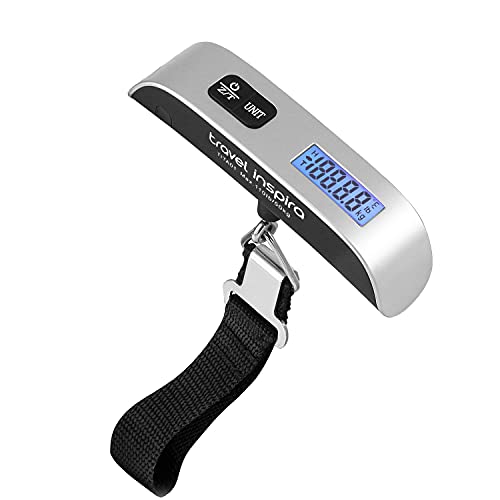
Compact digital luggage scale with a 110 lb capacity to help avoid overweight bag fees. Features an easy-to-read backlit display, comfortable grip, data lock, auto-off, and a lightweight design that is easy to pack.

A practical and encouraging guide for adults seeking a fresh start abroad, offering insights on planning, relocating, and thriving in a new country.

Written by an American expat who lived in Italy and is still living in France, this book gives you the right questions to ask about moving abroad. Better yet, it also gives you the answers.

Living and Working in New Zealand is essential reading for anyone planning to spend an extended period in New Zealand.

"Moving Gracefully: A Guide to Relocating Yourself & Your Family" by Carol Miller Fradkin provides practical strategies for a smooth and stress-free relocation process.

Compression packing cubes that help you pack faster, stay organized, and fit up to 50% more in your suitcase. Made with durable nylon twill and breathable mesh, they also help reduce wrinkles and fit most luggage sizes.

How to Save Time and Money While Transitioning Your Home and Life

Compact universal travel adapter for 150+ countries with a slim, lightweight design, 2500W max output, and a built-in 10A fuse. Great for phones, cameras, and cruise travel, but it is not a voltage converter.
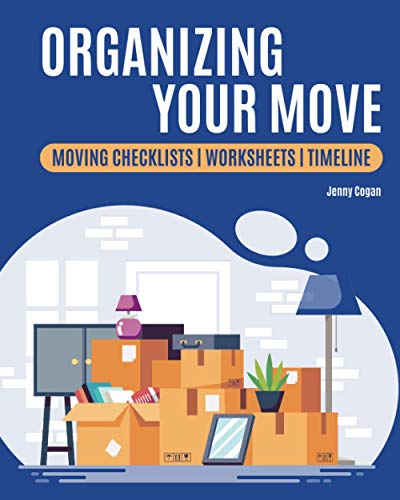
This book simplifies the moving process with tips, various checklists, worksheets, and an in-depth moving timeline which is not only a big overview of the entire moving process with things broken down into steps, it is also a convenient checklist for you to mark off each task as completed.

AirTag helps you track everyday items with the Find My app, now with improved Precision Finding, a louder speaker, and longer-range tracking. It also offers secure location sharing and a replaceable battery that lasts over a year.

Learn to rewire your ears for pronunciation, train your tongue like actors and singers, and connect words to imagery to think in a foreign language.





Mark Fiebert is a former finance executive who hired and managed dozens of professionals during his 30-plus-year career. He now shares expert job search, resume, and career advice on CareerAlley.com.