- Key Takeaways
- Why Skilled Trade Careers Are Worth Considering
- Understanding Skilled Trades and Common Career Paths
- Benefits of Skilled Trades: Stability, Purpose, and Earning Potential
- Core Skills Employers Want in the Trades
- Education and Training Options That Actually Work
- Certification and Licensing: What Matters and Why
- Job Search Strategies That Get You Hired Faster
- Interview Preparation for Hands-On Roles
- Continuing Education and Staying Relevant
- Networking and Building a Reputation
- Career Advancement: From Apprentice to Specialist to Owner
- The Right Attitude: Trades Aren’t “Easier,” They’re Different
- Safety Knowledge and Training That Protects Your Career
- Secure an Apprenticeship and Learn on the Job
- Further Guidance & Tools
- Next Steps
- Final Words
- Additional Resources
We may earn a commission if you click on a product link and make a purchase at no additional cost to you. For more information, please see our disclosure policy.
Last updated: February 25, 2026
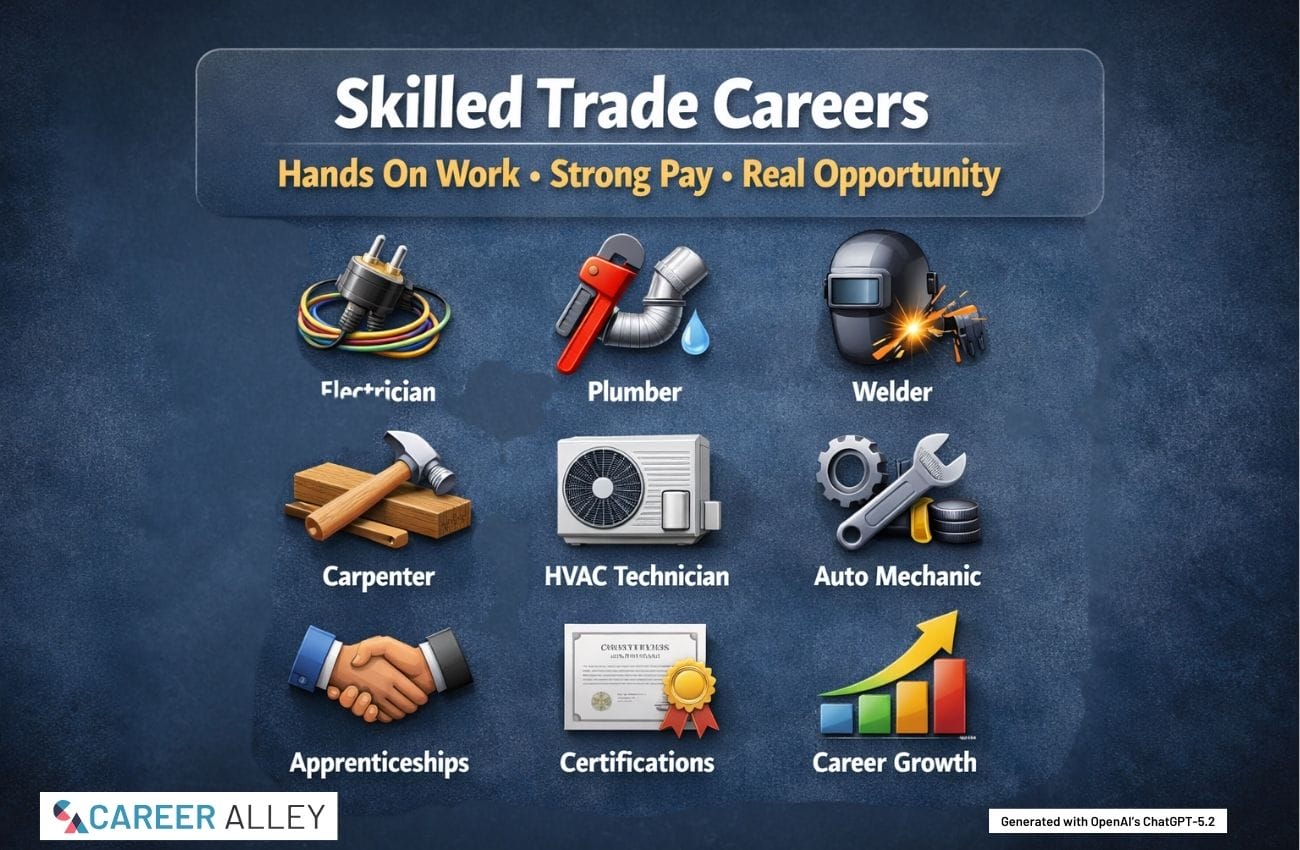
Key Takeaways
- Trades Offer Strong Earnings: Many skilled trade roles provide competitive pay, steady demand, and clear paths to higher income through experience, specialization, and credentials.
- Training Paths Vary: Apprenticeships, trade schools, and vocational programs can all work, but the best choice depends on learning style, timeline, budget, and local hiring needs.
- Credentials Build Trust: Certifications, licenses, and safety training improve employability, raise credibility with employers and customers, and can unlock higher responsibility roles.
- Skills Go Beyond Tools: Problem-solving, communication, reliability, and attention to detail are just as important as technical ability for long-term success in hands-on careers.
- Attitude Drives Advancement: Consistent effort, professionalism, and a willingness to learn on real job sites separate high earners from those who stall early.
Why Skilled Trade Careers Are Worth Considering
A skilled trade career can be rewarding, stable, and financially strong for people who like hands-on work and measurable results. Trades like welding, carpentry, masonry, electrical work, plumbing, and auto mechanics solve real-world problems every day. That work stays in demand because homes, buildings, infrastructure, and vehicles always need building, maintenance, and repair.
Skilled trades also offer flexibility in how you build your career. Some people prefer union apprenticeships with a structured wage progression. Others choose trade school for faster entry-level skills, then learn the rest on the job. Many experienced tradespeople later move into estimating,
To succeed, it helps to treat a trade like a profession from day one. Employers and customers want people who show up on time, work safely, communicate clearly, and care about quality. The good news is that those habits are learnable, and in trades, they quickly translate into opportunities.

Supercharge your CAREER as an ELECTRICIAN!
Are you an aspiring journeyman or master electrician? The Electrician's Trade DeMYSTiFieD makes it shockingly easy to prepare for licensing exams and onthe- job success.

Understanding Skilled Trades and Common Career Paths
Skilled trades cover a wide range of jobs that require applied technical knowledge, practical problem-solving, and strong safety awareness. Some trades focus on construction and infrastructure, while others center on maintenance, manufacturing, or transportation. Popular examples include electricians, plumbers, carpenters, welders, and HVAC technicians.
Many trades have clear progression levels. You might start as a helper, pre-apprentice, or first-year apprentice, then move to journeyperson status after training and verified hours. From there, growth often comes from specialization, leadership, or licensing that expands the work you’re legally allowed to perform. In some fields, entrepreneurship is a natural next step once you’ve built skill, reputation, and a local network.

At Your Best as an HVAC/R Tech is your playbook for learning if a career as an electrician is right for you, progressing from pre-apprentice to journeyman to master technician, and launching your own small business.
Benefits of Skilled Trades: Stability, Purpose, and Earning Potential
Skilled trades appeal to people who want real work with clear outcomes. You can point to what you built, repaired, or improved. That sense of purpose matters, but so does the practical side: many trade careers offer strong wages, overtime opportunities, and dependable demand.
For many people, the financial equation is also attractive. Trade training can be more direct and often less expensive than a four-year degree pathway, and you may start earning sooner. That can reduce or avoid long-term student loan debt while still providing a solid income trajectory.

Heavy duty knee pads with extra thick gel and high density foam cushioning, secure hook and loop straps with thigh support, and a durable PVC shell for ergonomic comfort and long lasting protection on demanding job sites.
Another advantage is career portability. Skills in electrical, plumbing, HVAC, carpentry, welding, and automotive repair can translate across employers and regions. When you build a reputation for reliability and quality, you gain leverage in hiring negotiations and flexibility in choosing the kinds of projects you want to do.
Core Skills Employers Want in the Trades
Technical ability matters, but employers consistently look for more than someone who can use tools. Strong tradespeople think in systems, follow procedures, and solve problems under time pressure. They also communicate well with supervisors, coworkers, and customers, especially when explaining delays, costs, or safety limitations.
The most valuable skills usually fall into two buckets: job skills and professional habits. Job skills include reading basic plans, measuring accurately, using tools safely, troubleshooting, and following code requirements. Professional habits include being dependable, staying calm under stress, documenting work when needed, and asking good questions instead of guessing.
As technology continues to shape the trades, digital comfort is becoming more useful. Many shops and job sites now use apps for scheduling, dispatching, inventory, documentation, and customer communication. You don’t need to be a software expert, but you do need to be comfortable learning modern systems.

Steel toe work boots built to ASTM F2413-18 standards with a puncture-resistant multilayer sole, delivering reliable impact protection and underfoot safety for demanding job sites.
Education and Training Options That Actually Work
There isn’t one “best” route into the trades. The best route is the one that aligns with your local market and learning style. A structured apprenticeship can be ideal if you want a clear sequence of training, mentorship, and wage progression while you learn. Trade schools and vocational programs can be strong options if you learn best in a classroom and want to build foundational skills quickly.
Explore the different educational paths available to enter skilled trades, from direct apprenticeships to trade schools and vocational programs. Each path offers unique advantages and learning opportunities that cater to different learning styles and career goals.
Whichever path you choose, look for training that aligns with how employers hire in your area. Talk to local contractors, unions, and trade associations. Ask what they value most in entry-level hires, and which credentials actually move the needle. If you can get hands-on practice and real job-site exposure early, your learning curve will be steeper in the right direction.
Certification and Licensing: What Matters and Why
Certification and licensing requirements vary by trade and location, so avoid one-size-fits-all assumptions. In many states and municipalities, electrical and plumbing work is regulated, and certain types of work require licensed supervision or a licensed contractor. HVAC work can involve additional compliance, especially when handling refrigerants or working with gas lines.
Industry certifications can also strengthen your credibility. In automotive repair, ASE credentials are widely recognized. In welding, certifications can help demonstrate capability for specific processes or materials. In HVAC, credentials can support your career progression and help you stand out in a crowded market. The best approach is to choose certifications that match the work you want to do and the jobs employers are actually filling.

In Skilled Trade Careers: Carpenters, 3rd through 5th graders read about what it takes to be a carpenter, including what they build, interesting tools they use, safety rules they follow, and training and education needed.
Job Search Strategies That Get You Hired Faster
Finding your first trade job is easier when you treat it like a targeted campaign. Employers are often looking for reliability and attitude even more than experience. Your goal is to show that you’ll be safe, coachable, and consistent. That means highlighting practical experience, even if it came from school labs, volunteer projects, shop class, or personal builds.
Use a mix of approaches: online
For more tactical help, review these
In Skilled Trade Careers: Carpenters, 3rd through 5th graders read about what it takes to be a carpenter, including what they build, interesting tools they use, safety rules they follow, and training and education needed.
Interview Preparation for Hands-On Roles
Trade interviews often mix behavioral questions with practical judgment. You may be asked about safety, teamwork, reliability, and how you handle mistakes. You may also be asked trade-specific basics, especially if the employer wants to gauge whether you can learn quickly without creating risk on the job site.
Prepare by practicing short, honest answers that show responsibility. If you don’t know something, say so, then explain how you would find the correct answer, who you would ask, and how you would prevent errors. Employers would rather hire someone teachable than someone overconfident and unsafe.
Bring proof of effort: certifications, training completion cards, a short list of projects you’ve worked on, and references from instructors or supervisors. Even a simple portfolio of photos from shop projects can help if it demonstrates clean work and attention to detail.
Continuing Education and Staying Relevant
The trades are evolving, and the people who keep learning tend to earn more and advance faster. New tools, new materials, and updated codes change how work is done. In many industries, efficiency and documentation matter more than they used to, especially for warranty work and compliance-driven projects.
Continuing education doesn’t have to mean going back to school full-time. It can include manufacturer trainings, night classes, safety refreshers, code updates, and specialty certifications. If your employer pays for training, use it. If they don’t, prioritize learning that directly improves your earning power, like troubleshooting, diagnostics, or leadership skills.

This ultra bright rechargeable LED headlamp delivers powerful long range illumination, fast USB charging with extended battery life, adjustable focus and angles, and durable IPX6 water resistant construction for demanding outdoor use.
Networking and Building a Reputation
Trades run on reputation. Your reliability becomes your brand, and your brand becomes your opportunities. Networking can be as simple as doing solid work, being respectful on job sites, and staying connected with mentors, coworkers, and instructors.
Join local trade groups if they’re active in your area. Attend events where contractors and suppliers gather. If you’re in a union pathway, use that structure to learn the culture and expectations early. Over time, those relationships can lead to better crews, better projects, and better pay.
Career Advancement: From Apprentice to Specialist to Owner
Career progression in skilled trades is often more straightforward than in many office environments. You build skills, earn credentials, and take on more responsibility. Advancement might mean moving from installation to service work, from helper to lead, or from residential to commercial projects. Each step typically increases your value and earning potential.
Some tradespeople pursue supervisory roles, such as estimating, inspection, safety leadership, or teaching. Others move into business ownership once they understand both the craft and the customer side. If you want to run your own operation one day, start learning the business fundamentals early: quoting, scheduling, customer communication, documentation, and financial discipline.

ANSI ISEA 107 Class 2 Type R compliant high-visibility polyester safety vest featuring 360 degree reflective strips, nine multifunction pockets, breathable lightweight construction, and durable machine washable design for professional and outdoor use.
The Right Attitude: Trades Aren’t “Easier,” They’re Different
Many people see studying for a trade as an alternative to college. In fact, a trade is a skilled option that is more than equal to more traditional academic studies. No matter how many PhDs you have, if the boiler breaks down, the smartest person is the person who can fix it, regardless of qualifications.
It’s important to take on a trade with the right attitude to earn through this skill, not because you think it will be easier than a college course. Trades can be physically demanding and sometimes uncomfortable. Work may happen outdoors in bad weather, in tight mechanical spaces, or in dirty environments. That’s part of the reality, and accepting it helps you stay resilient and professional.
People who thrive in the trades tend to be steady under pressure. They stay safety-focused, communicate clearly with customers, and take pride in quality. If you bring that mindset consistently, your career options expand fast.
Safety Knowledge and Training That Protects Your Career
One of the biggest challenges of skilled trades is that they can be dangerous if you don’t know what you’re doing. Safety training isn’t a box to check; it’s a career skill. You need to understand hazard awareness, proper tool use, protective equipment, and when to stop work to prevent injuries.
Depending on the trade, safety requirements differ. Working at height, electrical risk, confined spaces, heavy equipment, and chemical exposure all require training and strict procedures. Many workers also benefit from a baseline safety course early in their career, then build specialized training as their job responsibilities expand.
For trades that may involve tight environments, confined space training can be critical. Plumbers, electricians, and several other trades should take confined space training, as you might find yourself working in very cramped conditions at times. Electricians will, of course, need to know how to work safely and reduce the likelihood of injury or property damage.

ANSI-certified wraparound safety glasses designed to fit over prescription frames, providing UV400 eye protection, front and side impact resistance, all-day comfort, and backed by a lifetime warranty.
Secure an Apprenticeship and Learn on the Job
One of the best ways to get into a skilled trade is to learn while on the job. A good apprenticeship combines structured learning with real work, and it builds the habits you need to perform safely and professionally.
If you can, find a local tradesman who is willing to take on an apprentice. Working with someone already in the field is a great way to learn. You’ll pick up essential job skills, and also learn things you won’t learn from books, like communicating with customers, overcoming problems that come up during a job, and construction site etiquette. Once you’ve finished your training, you’ll have already built some contacts in the industry and will have some feedback from customers behind you to help you find that first job on your own.
Further Guidance & Tools
- Pay Data: Use BLS Occupational Outlook to compare wages, growth outlook, and entry requirements across major skilled trades.
- Apprenticeships: Search Apprenticeship.gov to find registered programs and understand how earn-while-you-learn pathways work in your region.
- Safety Basics: Review OSHA Outreach Training to understand common jobsite hazards and why entry-level safety training matters.
- HVAC Compliance: Read EPA Section 608 guidance if you plan to work with refrigerants or pursue HVACR service work.
- Trade Skills: Explore training and competitions through SkillsUSA to build hands-on ability, confidence, and industry connections.
Next Steps
- Pick a Trade: Choose two trades to explore, then list typical job tasks, entry requirements, and local employers hiring beginners.
- Find Training: Compare apprenticeship programs and trade schools nearby, focusing on graduation outcomes, job placement support, and hands-on lab time.
- Build Proof: Create a one-page resume highlighting reliability, safety mindset, and practical projects, even if they came from class or personal work.
- Get Certified: Complete a basic safety course and any trade-specific credential that employers commonly request in your area for entry-level roles.
- Network Weekly: Contact two local contractors or union offices each week, ask what they need in new hires, and follow up professionally.
In Skilled Trade Careers: Carpenters, 3rd through 5th graders read about what it takes to be a carpenter, including what they build, interesting tools they use, safety rules they follow, and training and education needed.
Final Words
Skilled trades can deliver a career with strong earnings, real-world impact, and steady opportunity, but they reward professionalism and consistent effort. The best results come from choosing the right training path, committing to safety, building practical skills, and earning credentials that match your goals. If you approach the trades as a long-term profession, you give yourself the best chance to grow, specialize, and build a career you can be proud of.
Additional Resources
-
$20.99$16.99Learn MoreANSI-certified wraparound safety glasses designed to fit over prescription frames, providing UV400 eye protection, front and side impact resistance, all-day comfort, and backed by a lifetime warranty.
We earn a commission if you click this link and make a purchase at no additional cost to you.
04/26/2026 04:00 pm GMT -

$49.25$46.50Learn MoreThe coursebook comprehensively covers the knowledge and skills required and supports students as they prepare for assessment.
We earn a commission if you click this link and make a purchase at no additional cost to you.
04/26/2026 04:07 pm GMT -

$12.99$9.99Learn MoreANSI A4 cut-resistant 18-gauge gloves made with ultra-thin composite yarns and sandy nitrile coating, delivering second-skin comfort, strong grip in wet or oily conditions, fiberglass-free safety, and durable protection for medium-duty tasks.
We earn a commission if you click this link and make a purchase at no additional cost to you.
04/26/2026 04:00 pm GMT -
 $17.95Learn More
This book breaks down blacksmithing’s fascinating, if somewhat daunting, skill set into attainable fundamentals that show you how to become an accomplished smith.
We earn a commission if you click this link and make a purchase at no additional cost to you.
04/26/2026 04:07 pm GMT -
$39.99$35.99Learn MoreSteel toe work boots built to ASTM F2413-18 standards with a puncture-resistant multilayer sole, delivering reliable impact protection and underfoot safety for demanding job sites.
We earn a commission if you click this link and make a purchase at no additional cost to you.
04/26/2026 04:00 pm GMT -
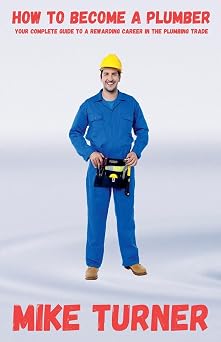 $18.99Learn More
Transform your future with a high-paying plumbing career using this comprehensive guide covering licensing, tools, techniques, codes, repairs, safety, and long-term growth opportunities in today’s in-demand skilled trades.
We earn a commission if you click this link and make a purchase at no additional cost to you.
04/26/2026 04:08 pm GMT -
$20.99$9.99Learn MoreANSI ISEA 107 Class 2 Type R compliant high-visibility polyester safety vest featuring 360 degree reflective strips, nine multifunction pockets, breathable lightweight construction, and durable machine washable design for professional and outdoor use.
We earn a commission if you click this link and make a purchase at no additional cost to you.
04/26/2026 04:02 pm GMT -
$21.34Learn More
In Skilled Trade Careers: Carpenters, 3rd through 5th graders read about what it takes to be a carpenter, including what they build, interesting tools they use, safety rules they follow, and training and education needed.
We earn a commission if you click this link and make a purchase at no additional cost to you.
03/04/2026 04:02 pm GMT -
$27.88$24.99Learn MoreHeavy duty knee pads with extra thick gel and high density foam cushioning, secure hook and loop straps with thigh support, and a durable PVC shell for ergonomic comfort and long lasting protection on demanding job sites.
We earn a commission if you click this link and make a purchase at no additional cost to you.
04/26/2026 04:07 pm GMT -
$30.00Learn More
Supercharge your CAREER as an ELECTRICIAN!
Are you an aspiring journeyman or master electrician? The Electrician's Trade DeMYSTiFieD makes it shockingly easy to prepare for licensing exams and onthe- job success.
We earn a commission if you click this link and make a purchase at no additional cost to you.
03/04/2026 04:00 pm GMT -
 $24.95Learn More
If you are searching for an offbeat, soul-satisfying profession that offers more than just a paycheck, enrolling in a certification program could be the perfect first step to finding the job that is made for you.
We earn a commission if you click this link and make a purchase at no additional cost to you.
03/04/2026 04:00 pm GMT -
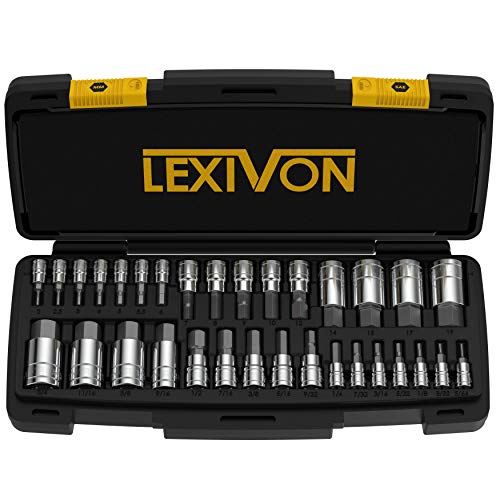 $49.97Learn More
This 32-piece Allen socket set includes SAE and metric hex bit sockets made from heat-treated S2 alloy steel and chrome vanadium steel for high torque, durability, rust resistance, easy size identification, and long-lasting performance backed by a lifetime limited warranty.
We earn a commission if you click this link and make a purchase at no additional cost to you.
04/10/2026 08:35 pm GMT

Mark Fiebert is a former finance executive who hired and managed dozens of professionals during his 30-plus-year career. He now shares expert job search, resume, and career advice on CareerAlley.com.