- Key Takeaways
- Work Towards a New Qualification
- Determine Your Transferable Skills
- Look for Military-Friendly Opportunities
- Get Used to Speaking Like a Civilian
- Boost Your Networking Efforts
- Explore Veteran-Specific Employment Programs
- Utilize Online Platforms for Job Searching
- Attend Industry-Specific Career Fairs
- Consider Entrepreneurship as a
Career Path - Engage in Continuous Learning and Skill Development
- Further Guidance & Tools
- Next Steps
- Final Words
We may earn a commission if you click on a product link and make a purchase at no additional cost to you. For more information, please see our disclosure policy.
Last updated: March 25, 2026
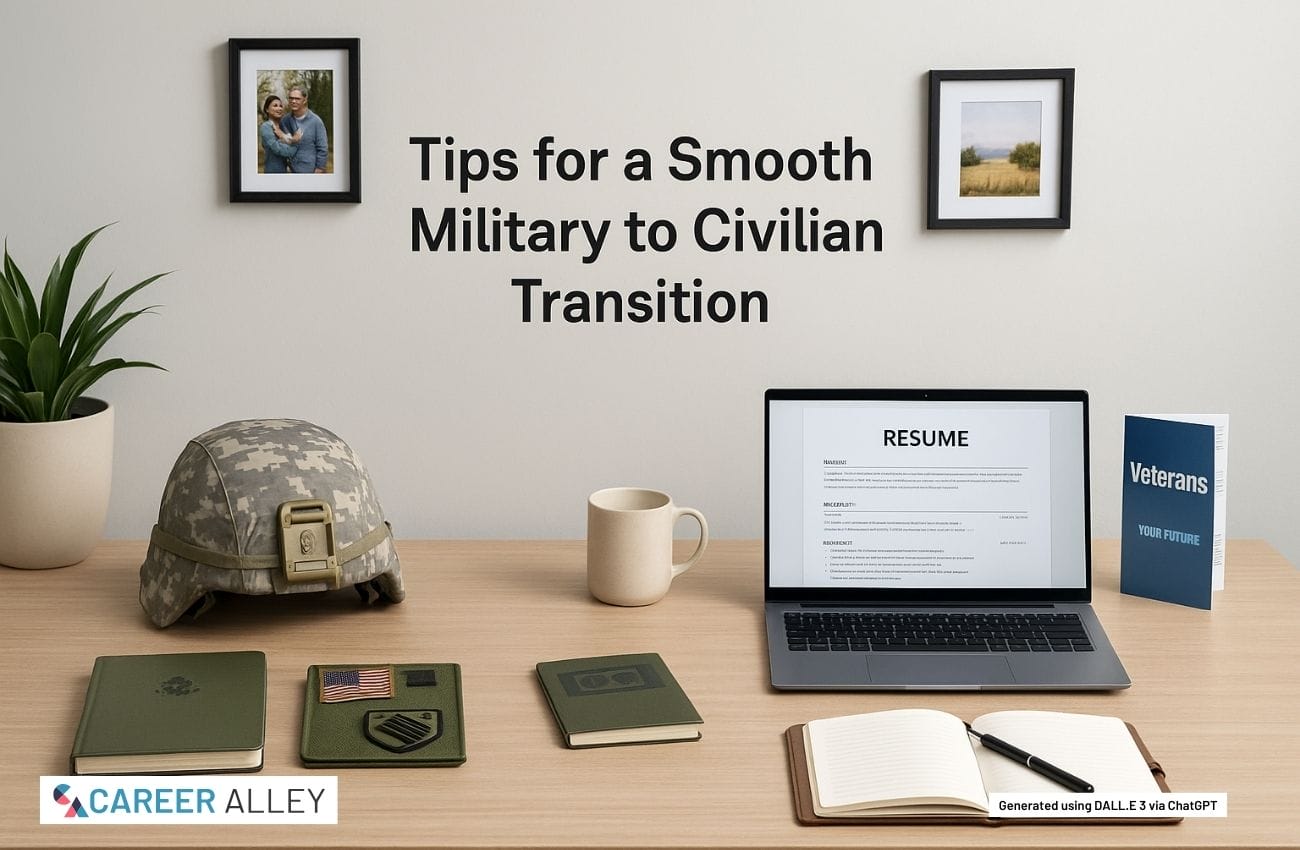
Key Takeaways
- Plan Ahead for Civilian Life: Start your transition early by identifying your career goals, researching relevant industries, and acquiring the necessary certifications or training.
- Translate Your Military Skills Effectively: Use civilian language to describe your leadership, coordination, and problem-solving skills, making them more relevant to the job market.
- Leverage Veteran Hiring Programs: Target companies and initiatives that actively recruit and support veterans for a smoother employment transition.
- Network with Purpose: Engage with peers, attend events, and build a strong presence on platforms like LinkedIn to uncover hidden job opportunities.
- Consider Entrepreneurship: Explore veteran-focused
small business programs and resources if you want to turn your leadership into a self-driven venture.
Going through a
Military service is a respected background, and with the right strategy, it can be a significant advantage when searching for a civilian job. Below are actionable tips to help you navigate the transition smoothly.
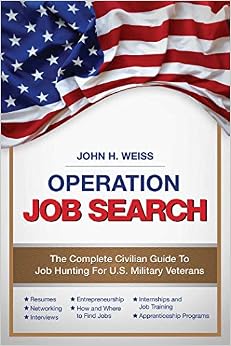
Operation Job Search is the ultimate guide for US military veterans seeking employment after discharge. It provides information about the civilian workforce, rubrics for navigating one’s career, and a list of essential resources to consult during the job search.

Work Towards a New Qualification
As a service member preparing for civilian life, investing in new credentials is one of the best ways to increase your value in the job market. Many online programs are designed specifically for active military personnel, offering flexible schedules and relevant coursework that aligns with your career goals.
These programs range from building on your existing experience in public safety, emergency management, or public administration to exploring new fields such as business, health sciences, or IT. Taking advantage of these resources while still serving can help set you up for long-term success after your transition.
Determine Your Transferable Skills
Veterans bring a wealth of experience and highly adaptable skills to the civilian workforce. However, a significant number report difficulty communicating how those skills apply in non-military environments. Nearly 60% of veterans report struggling to translate their military experience into civilian terms.
Start by identifying the core responsibilities and competencies from your military service. These may include:
- Leadership and coordination: Leading teams, delegating tasks, and managing operations.
- Communication: Reporting up the chain of command or collaborating in high-pressure environments.
- Time management: Prioritizing tasks and meeting critical deadlines.
These in-demand skills are valued across multiple sectors, including operations and logistics, customer service, and

Explore Career.io, the only Al and human-powered platform where you can find everything you need. For any step of your job search or career growth. All in one place.
Look for Military-Friendly Opportunities
Many employers actively seek out veterans for their discipline, resilience, and leadership skills. Companies like Amazon, Verizon, and Microsoft have dedicated veteran hiring programs and understand the unique value that military experience brings to the workplace. These organizations often provide structured onboarding, mentorship, and training tailored for former service members.
Choosing a military-friendly employer can ease your transition, as these companies are better equipped to interpret your background and support your career development. Additionally, working alongside other veterans can foster camaraderie and a shared understanding, making it easier to adjust to a new professional environment.
Get Used to Speaking Like a Civilian
Adjusting your communication style is a crucial part of transitioning to the civilian workforce. Military jargon and acronyms, which are second nature in the service, can create confusion or a disconnect in a corporate environment. To be successful in interviews, resumes, and daily interactions, it’s essential to express your skills and experiences in clear, civilian-friendly language.
To make the shift easier, try the following:
- Translate your role: Replace titles like “Squad Leader” with “Team Supervisor” or similar corporate terms.
- Get a second opinion: Ask a civilian friend or mentor to review your resume and
cover letter . - Use civilian-friendly tools: Language apps like Babbel can help improve communication and presentation skills.
Making these adjustments can help you connect more effectively with employers and make the transition to the civilian workplace easier.
Give yourself a real advantage in your job search with Resume.io — the best online resume maker: created by experts, improved by data, and trusted by millions of professionals. Easy to use and complete within minutes. Try it now for free!
Boost Your Networking Efforts
As you transition from the military to a civilian career, building a strong professional network can be one of your most valuable strategies. While online applications are essential, many roles are filled through personal connections and referrals, especially for veterans entering new industries.
To enhance your visibility and opportunities:
- Attend networking events: Look for industry meetups or career fairs specifically for veterans to build relationships in person.
- Leverage LinkedIn: Follow companies, connect with recruiters, and engage with content relevant to your target field.
- Connect with veteran communities: Join online groups or forums where veterans share advice, support, and job leads.
Consistent networking helps you stay informed, gain referrals, and demonstrate initiative. By actively engaging in professional conversations, you’ll improve your chances of finding the proper role and accelerating your post-military career.

Transitioning service members should read Mission Next because it will increase their chances at achieving a smooth transition and finding a job that fits.
Explore Veteran-Specific Employment Programs
Veterans have access to a wide range of employment programs designed to support their transition into civilian life. These initiatives provide targeted resources, such as career coaching, resume assistance, and connections to employers, all tailored to the unique needs of former military personnel. By enrolling in these programs, veterans can gain structured support and access employment opportunities more quickly across both the public and private sectors.
Utilize Online Platforms for Job Searching
In today’s digital job market, online platforms enable veterans to search for jobs, apply directly, and connect with recruiters and other professionals. These platforms also allow job seekers to research potential employers and understand company culture before interviews. Leveraging these tools strategically increases your exposure to employers who value your background and helps you tailor applications more effectively.
- LinkedIn: Network with recruiters and join professional groups specific to veterans.
- USAJobs: Explore federal positions with veteran preference options.
- VetJobs: Access job postings explicitly targeted at veterans and their families.
- Indeed: Customize alerts for roles that match your skills and experience.

Post your resume - It only takes a few seconds
Attend Industry-Specific Career Fairs
Industry-focused career fairs provide targeted exposure to employers within fields that align with your interests and background. These events often feature employers who understand and appreciate the value veterans bring to the workforce. Participating in these fairs can lead to immediate interview opportunities, insider insights into hiring practices, and access to exclusive roles not posted elsewhere.
Consider Entrepreneurship as a Career Path
For many veterans, starting a business offers the freedom and autonomy to apply their leadership and operational skills in a new way. With the proper guidance, entrepreneurship can become a fulfilling career after military service. From government-backed startup support to industry mentorship programs, there are abundant resources available for veterans looking to launch and sustain successful businesses.
- Boots to Business: A startup training initiative for transitioning service members and veterans.
- Veteran Business Outreach Centers: Offer workshops, counseling, and mentorship.
- Patriot Boot Camp helps veterans build scalable, tech-focused businesses.
- Grants and funding options: Financial resources allocated explicitly for veteran-owned businesses.

Start Your Own Business will guide them through the first three years of business. They’ll gain the know-how of more than 30 years of collective advice from those who’ve come before them
Engage in Continuous Learning and Skill Development
Keeping your skills current is essential in a rapidly changing job market. Whether you’re aiming to qualify for a specific role or explore an entirely new field, investing in ongoing education shows employers that you’re adaptable and forward-thinking. From short online courses to full certification programs, there are flexible options that can align with your goals and schedule without disrupting your career transition.

21st Century Skills: Learning for Life in Our Times explores the essential skills needed to thrive in today’s dynamic, technology-driven, and global economy.
Further Guidance & Tools
- Career Counseling: Use VA educational and career counseling to explore career paths, training options, and transition planning support.
- Job Search Help: Visit the U.S. Department of Labor VETS site for veteran-focused employment resources, job assistance, and transition support.
- Financial Matters: Veterans, active-duty service members, and eligible surviving spouses can access major homeownership benefits through programs designed to reduce financial barriers after military service.
- Skill Translation: Try the O*NET military crosswalk to match military occupations with civilian roles and clearer job language.
- Business Training: Explore SBA Boots to Business for practical guidance if entrepreneurship fits your post-military career goals.
Next Steps
- Assess Skills: List your military responsibilities, leadership experience, and technical strengths, then rewrite them in civilian language that fits your target roles.
- Target Employers: Build a shortlist of veteran-friendly companies, federal agencies, and industries that value discipline, logistics, leadership, and operational problem-solving.
- Strengthen Credentials: Identify certifications, courses, or training programs that support your career direction and improve your competitiveness in civilian hiring markets.
- Expand Network: Update your LinkedIn profile, connect with veterans in your field, and engage with recruiters, groups, and relevant industry conversations.
- Explore Options: Compare traditional employment with entrepreneurship and decide which path better aligns with your goals, independence, and long-term interests.
Final Words
Moving from military service to civilian work is a real adjustment, but it is also a strong opportunity to build a rewarding next chapter. When you translate your experience well, pursue the right training, and stay intentional about networking and job targeting, your background becomes a serious advantage rather than a barrier to success.

Mark Fiebert is a former finance executive who hired and managed dozens of professionals during his 30-plus-year career. He now shares expert job search, resume, and career advice on CareerAlley.com.