We may earn a commission if you click on a product link and make a purchase at no additional cost to you. For more information, please see our disclosure policy.
Last updated: November 11, 2025
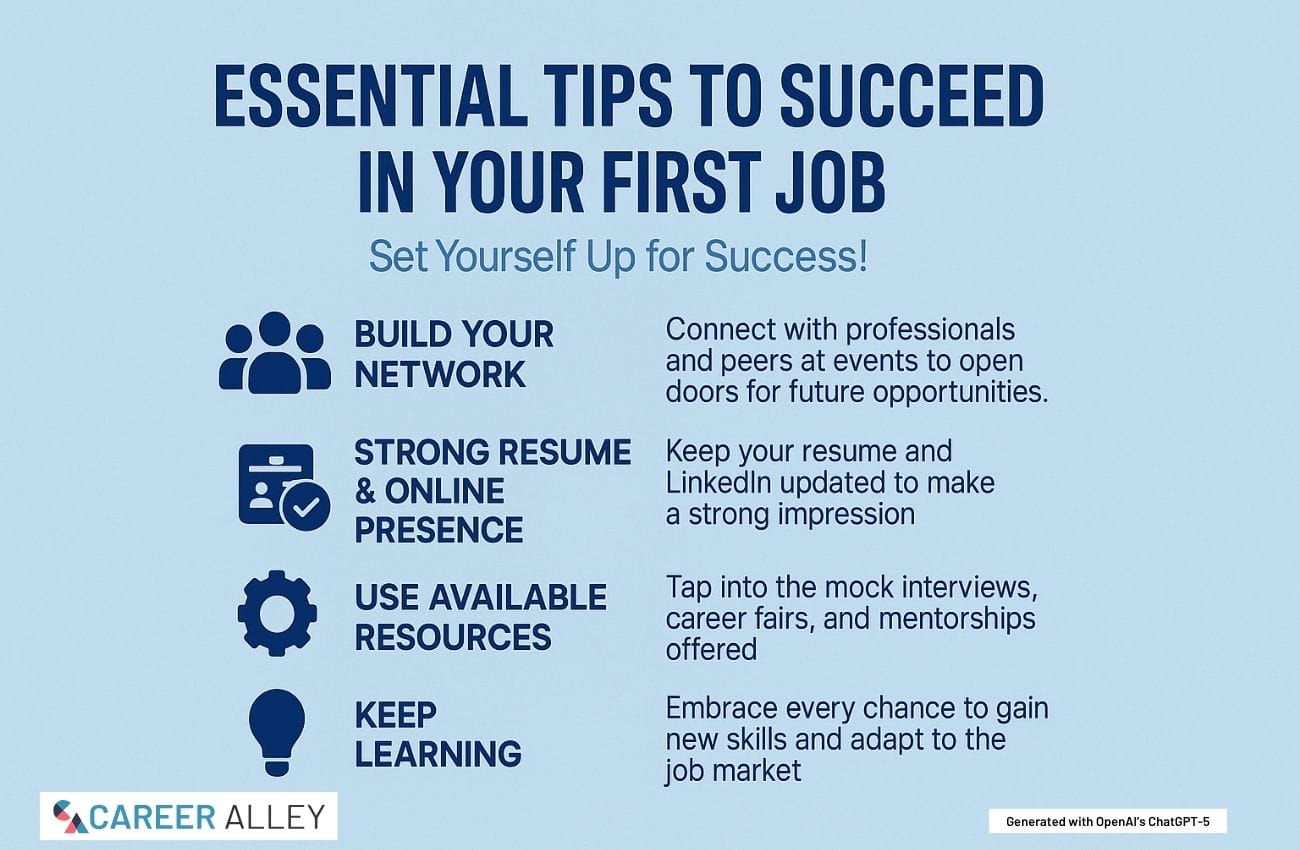
Key Takeaways
- Win Day One: Arrive early, learn your role’s top outcomes, and clarify how success is measured so you deliver visible results quickly.
- Communicate Clearly: Ask precise questions, confirm next steps in writing, and summarize decisions to prevent rework and build trust fast.
- Own Your Time: Protect focus with simple systems, batch routine tasks, and negotiate deadlines before they slip, not after.
- Invest in Relationships: Learn names, roles, and priorities; offer help without overstepping to become a trusted and reliable teammate.
- Learn Relentlessly: Track lessons, request feedback regularly, and apply improvements the same week to show momentum and maturity.
Landing the offer is step one; proving value quickly is how you keep momentum. Clarify your manager’s top three priorities, align your tasks to those outcomes, and confirm expectations in writing. If documentation is thin, create brief notes after meetings and share them for confirmation. For additional practical ideas tailored to new hires, review Tips For Your First Job and adapt the suggestions to your team’s tools, cadence, and goals.
Build Credibility Through People
Great work travels faster when people trust you. Learn colleagues’ names, responsibilities, and current pressures so you can anticipate needs and collaborate smoothly. Offer help on small tasks to earn quick wins, then expand your impact. When someone invests time to guide you, acknowledge it promptly—send a short thank-you note or follow-up message that highlights what you’ll implement. This simple habit compounds goodwill across teams and leadership.
Start Strong in Week One
Landing the offer is only the beginning; your first week sets the tone for how quickly you contribute. Clarify your manager’s three most important outcomes, learn the tools your team uses daily, and confirm expectations in writing. Share short summaries after meetings to avoid misunderstandings. If you want a concise primer tailored for new hires, review “Tips For Your First Job ” and adapt the ideas to your role and team’s cadence.
Communication Habits That Prevent Rework
Clear communication earns trust and saves hours you would otherwise spend fixing avoidable mistakes. Ask focused questions that show prior effort, restate agreements to confirm understanding, and document owners and deadlines immediately. Establish a predictable update rhythm so stakeholders know when they can expect to hear from you next. Use concise written recaps to minimize ambiguity and align decisions across functions, particularly when priorities shift rapidly or multiple teams collaborate on deliverables.
- Clarify: Start major tasks by confirming the desired outcome, owner, deadline, and definition of done to prevent scope creep and rework.
- Summarize: Send a brief recap after key conversations that lists decisions, blockers, and next steps so everyone stays aligned.
- Escalate: Surface risks early with options and a recommendation, rather than waiting until a deadline is at risk.
- How-to Recap: Use this practical guide to request usable feedback from managers via Harvard Business Review.
Time Management Systems You Can Actually Keep
New roles inundate you with meetings, messages, and shifting priorities; a lightweight system helps protect your focus. Block two daily focus windows for deep work, batch routine admin, and renegotiate deadlines before they slip. Track tasks in one list, not five, and review progress on Fridays. Choose simple tools you will use consistently rather than complex setups you will abandon after a week; sustainability beats novelty for long-term results.
- Prioritize: Sort tasks by urgency and impact so high-value work receives uninterrupted attention before reactive requests consume your day.
- Batch: Group
email , chat, and approvals into scheduled blocks to reduce context switching and protect momentum. - Plan: Create a weekly outline on Monday and a brief retrospective on Friday to capture wins and lessons learned.
Close the Feedback Loop Quickly
Feedback is fuel when you convert it into visible improvements fast. Ask for specifics, confirm what “better” looks like, and propose the first change you will deliver this week. Keep a simple running log of suggestions, decisions, and outcomes so progress is easy to see. Share short updates showing what changed and why. This cadence demonstrates maturity, reduces the need for repeat corrections, and builds a reputation for learning faster than your peers.
Concrete Actions for Your Next Two Weeks
Turn principles into momentum with small, visible actions. Sequence tasks so that early wins remove friction for teammates and provide clean metrics to highlight in check-ins. Keep scope tight, communicate proactively, and show follow-through. These moves build trust quickly while keeping your workload realistic. Use the list below to pick one action per day, then report outcomes in your weekly summary to reinforce reliability and progress.
- Stakeholders: Identify five key partners and record their priorities, deadlines, and preferred communication channels, allowing you to tailor updates effectively.
- Template: Draft a one-page meeting recap template and start using it for significant discussions to standardize clarity and ownership.
- Pilot: Choose one recurring task to streamline; propose a small change, test for a week, and measure time saved.
Further Guidance & Tools
- Onboarding Checklist: Use the concise new-hire checklist from Asana to structure your first weeks.
- Time Prioritization: Learn the Eisenhower Matrix to distinguish between urgent and vital work.
- Workplace Etiquette: Brush up on collaboration basics with Indeed Career Guide.
- Role Research: Explore day-to-day tasks and skills for your job title on O*NET OnLine to fill gaps.
Next Steps
- Schedule a 20-minute one-on-one meeting with your manager this week to confirm the top three priorities and success metrics.
- Map five key stakeholders within three days and learn their current goals, timelines, and preferred communication channels.
- Create a simple weekly plan within 24 hours using two focus blocks daily and a Friday review to track progress.
- Send a concise recap after every major meeting for two weeks to confirm decisions, owners, and deadlines.
- Log three pieces of feedback this week and implement at least two improvements before your next check-in.
Final Words
Your first job is a runway, not a referendum. Clarify outcomes, communicate clearly, protect your focus, and turn feedback into visible improvements. Do this consistently and your reputation—and opportunities—will compound fast.



Mark Fiebert is a former finance executive who hired and managed dozens of professionals during his 30-plus-year career. He now shares expert job search, resume, and career advice on CareerAlley.com.