We may earn a commission if you click on a product link and make a purchase at no additional cost to you. For more information, please see our disclosure policy.
Last updated: January 4, 2026

Author Byline
Key Takeaways
- Brand Consistency: Candidates judge you by what they experience, so align job posts, interviews, and follow-ups to avoid trust-breaking contradictions.
- Manager Ownership: Hiring managers must translate values into behavior, because their interviews and decisions shape how your culture is perceived.
- Clear Value Proposition: Define what you offer employees beyond pay, then equip managers to explain it plainly and consistently.
- Structured Process: Standardized interview steps and feedback timelines reduce bias, speed decisions, and create a smoother candidate experience.
- Continuous Improvement: Track drop-off points, acceptance rates, and candidate feedback, then refine messaging and manager practices quarterly.
Employer Brand Reality
Your employer brand is the story job seekers believe about what it’s like to work for you, and they form that belief fast. Employer branding can either attract top candidates to your openings or quietly deter them before they apply. In 2026, credibility matters more than polish: candidates compare what you claim in postings with what they experience in interviews, emails, and timelines. When those signals align, your hiring becomes easier, less costly, and more reliable.
Consumer branding can’t fix a broken candidate experience. If your recruiting process feels unclear, slow, or inconsistent, candidates assume the workplace will be the same. That’s why employer branding must be practical: it should guide how your people communicate, how your team makes decisions, and how you deliver on the promises you make to applicants.
A Revolutionary Approach to Recruiting and Selecting People with Both Tremendous Skills and Superb Attitude


Manager Brand Influence
Hiring managers sit at the intersection of your brand promise and the candidate’s lived experience. A strong branding message only works if managers can deliver it consistently in interviews, screening calls, and offer conversations. If you’re struggling to hire, don’t assume it’s only compensation or a tight market. Often, the issue is that candidates don’t understand the role, don’t trust the process, or sense misalignment between what recruiters say and what hiring managers do.
Employer branding becomes real when your managers know the roadmap: what the business needs, what success looks like in the first 90 days, and what your organization genuinely offers in growth, flexibility, and support. When managers are vague, inconsistent, or unprepared, you lose qualified applicants to faster, clearer competitors—even when your company is a better fit.
What This Covers
This guide focuses on practical ways hiring managers can strengthen employer branding without turning interviews into scripted marketing. You’ll see how consistent messaging, structured workflows, and hands-on manager involvement improve candidate trust and help the recruiting team operate as one connected system.
- Brand Importance: Why employer reputation influences who applies, who accepts, and how quickly you can fill key roles.
- Manager Messaging: How hiring managers shape perception through clarity, tone, and consistency across every stage.
- Team Alignment: Ways managers can keep recruiting workflows tight so candidates experience a coherent process.
- Process Involvement: Why engaged managers reduce confusion, improve decisions, and reinforce your workplace reality.
- Strategy Participation: How including managers in branding discussions keeps your value proposition realistic and relevant.
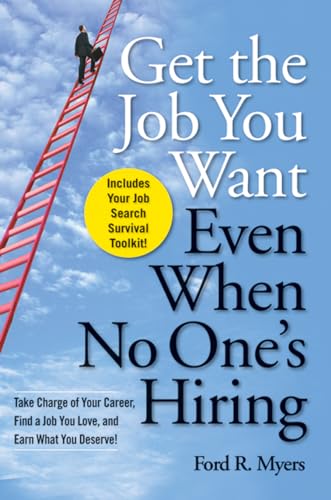
Today’s job market is the toughest in recent history, and the challenges are here to stay. Even so, you CAN get the job you want – IF you discard conventional approaches to the search. Get the Job You Want, Even When No One’s Hiring
Ways Managers Amplify
Hiring managers are often the final authority on hiring decisions, but they don’t always see what candidates experienced in earlier stages. That gap can create mixed signals: a recruiter sells growth, while a manager describes a rigid role; a job post promises flexibility, while interview scheduling feels chaotic. Candidates interpret these inconsistencies as risk, and risk kills acceptance rates. Your managers must understand what candidates have been told and reinforce the same core story throughout the process.
The goal is not to “spin” the job. The goal is to deliver a confident, truthful message about expectations, support, and opportunity. When managers align their interviews and decisions to that message, candidates feel the process is deliberate, fair, and worth committing to.
Rally the Team
Employer branding fails when recruiting feels like separate handoffs between disconnected people. Hiring managers can fix that by leading the workflow, clarifying roles, and setting standards for speed and communication. When managers know the recruiting team’s goals and understand the brand priorities behind them, they can coach recruiters and interviewers to stay consistent. Candidates should never get different answers to basic questions depending on who they speak with.
Put hiring managers in charge of a simple operating rhythm: weekly pipeline check-ins, shared interview scorecards, and clear ownership for candidate follow-up. That rhythm prevents bottlenecks and keeps the candidate experience consistent, especially when hiring volume increases or multiple stakeholders are involved.
A Pro Shares a Step-by-Step Guide to Creating a Plan that Gets Results by Hal Shelton will open your eyes to insider tips, hints, and techniques for creating a winning business plan.

Make Messages Clear
Every employer brand needs a short, memorable value proposition that your team can explain without jargon. It might be advancement, mission impact, learning opportunities, pay transparency, or strong leadership. Whatever it is, hiring managers must communicate it early and consistently—especially in the interview, where candidates look for truth. If your outreach is unclear, candidates assume the job will be unclear.
A practical approach is to give managers a brief “candidate story” that covers what success looks like, how performance is measured, how decisions are made, and the support available. When managers can explain these elements in plain language, your brand feels real, not rehearsed.
Stay Involved Daily
Employer branding weakens when hiring managers act as distant approvers rather than active leaders throughout the process. When hiring managers stay close to the work—screening key candidates, joining calibrations, and reviewing feedback quickly—they reinforce consistency and credibility. Candidates feel the team is cohesive and that leadership prioritizes hiring the right person, not just filling a seat.
Hands-on involvement also keeps managers honest about the market. They hear objections, learn what candidates value, and improve how they present the role. Over time, that makes your branding sharper because it’s grounded in actual conversations, not assumptions.
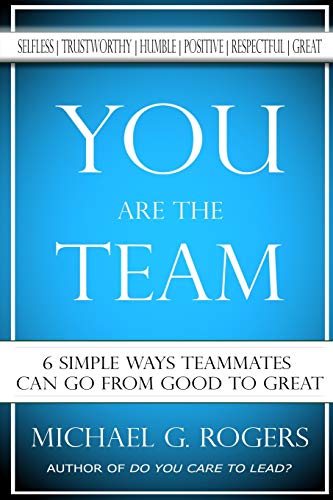
You Are the Team – 6 Simple Ways Teammates Can Go from Good to Great is not a book just for you but for every member of your team. It is a meaningful, practical, actionable, and enduring gift to your team and possibly a gift to your entire organization.
Join Branding Meetings
Employer branding evolves as candidate expectations shift, so the people closest to the interview process should be part of the conversation. If hiring managers are excluded from branding meetings, they can’t adapt their messaging when priorities change, and the recruiting team is left to translate strategy alone. Bringing managers into these discussions increases buy-in and reduces the “telephone game” that creates mixed messages.
Hiring managers also add practical insight: what candidates are actually asking, where the process breaks down, and which promises your organization can confidently keep. That input makes brand messaging more realistic and easier to deliver consistently.
Branding Results
Hiring managers can improve every stage of the candidate journey, from first impression to final decision. If you’re not using manager expertise to support your employer branding outreach, you’re leaving results on the table. When managers set clear expectations, provide timely feedback, and reinforce consistent messaging, candidates trust the process and commit more quickly.
Strong employer branding isn’t just about attracting more applicants. It’s about attracting the right applicants, reducing wasted interviews, and increasing offer acceptance by making your organization’s reality easy to understand and believable.
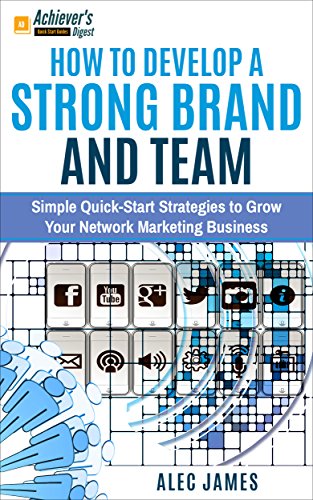
This book was written for someone who is just getting started or has been working hard but hasn’t seen much success in their network marketing business.
Further Guidance & Tools
If you want to strengthen employer branding quickly, focus on the tools and frameworks that improve consistency and candidate experience. The resources below are practical, widely used, and useful for building manager alignment, measuring recruiting health, and tightening the process without adding unnecessary complexity.
- Employer Branding Basics: Use SHRM to define an authentic employment brand that matches what candidates and employees actually experience.
- Employer Brand Roadmap: Follow Glassdoor to plan messaging and proof points that build credibility with job seekers in the year ahead.
- Better Interviews: Apply Harvard Business Review guidance to improve interview structure, preparation, and decision quality across hiring managers.
- Candidate Experience: Use LinkedIn to map the candidate journey and identify moments where clarity, speed, or communication break down.
- Talent Metrics: Review McKinsey to prioritize the recruiting and people metrics that best predict performance and retention.
Next Steps
Turn employer branding into action by tightening your process and giving hiring managers clear responsibility for consistency. These steps are practical, measurable, and designed to improve both candidate confidence and hiring outcomes without creating extra bureaucracy.
- Brand Audit: Review job posts, the careers page, and interview scripts this week to eliminate contradictions in role expectations and workplace promises.
- Manager Coaching: Run a 60-minute workshop within 30 days to align hiring managers on messaging, interview structure, and response-time expectations.
- Skills Training: Schedule regular training so managers can communicate the role clearly and evaluate candidates consistently.
- Feedback Loop: Collect short post-interview feedback and review themes monthly to identify where candidates felt confused, dismissed, or under-informed.
- Experience Metrics: Track time-to-feedback, stage drop-off, and offer acceptance rate quarterly, then assign owners to fix the most significant friction points.
Sage accounting software helps small businesses manage billing, invoicing, job costing, inventory, budgeting, purchase orders, and financial tracking with trusted tools and support.

Final Words
Employer branding becomes powerful when it’s reinforced by what candidates experience, not just what your company claims. Hiring managers are the most visible proof of your culture, standards, and credibility during recruiting. By aligning managers with brand goals, improving message clarity, and tightening the workflow candidates move through, you create a consistent experience that attracts stronger talent, increases trust, and helps your organization stand out in a competitive hiring environment.
We’re with you until you land your next job — placement support guaranteed. Four expert services. One simple fee. This personal, done-for-you, job placement support service has everything you need to find your next role.






Mark Fiebert is a former finance executive who hired and managed dozens of professionals during his 30-plus-year career. He now shares expert job search, resume, and career advice on CareerAlley.com.