- Key Takeaways
- Why Social Work Matters
- Evolving Career Perception
- Flexible Education Options
- Competitive Job Outlook
- Driving Social Change
- Personal Perspective Growth
- Graduate
Job Search Reset - Standout Job Hunt Tactics
- Interview Confidence Builder
- Rewards Beyond Income
- Further Guidance & Tools
- Next Steps
- Final Words
We may earn a commission if you click on a product link and make a purchase at no additional cost to you. For more information, please see our disclosure policy.
Last updated: December 29, 2025

Key Takeaways
- Growing Demand: Social work is experiencing sustained global demand, offering expanding career opportunities across healthcare, education, government, and nonprofit sectors.
- Flexible Education: Modern social work programs, including online degrees, allow professionals to gain credentials while continuing to work and gain real-world experience.
- Meaningful Impact: A career in social work enables professionals to directly improve lives, influence policy, and strengthen vulnerable communities.
- Career Mobility: Specialized social work skills are transferable internationally, creating opportunities to work across cultures and geographic regions.
- Personal Growth: Social work offers perspective, resilience, and purpose by confronting real societal challenges and contributing to long-term solutions.
Why Social Work Matters
Giving back to society is a goal many people share, yet few manage to pursue it professionally. Most individuals focus on making ends meet, leaving little room to contribute to broader social change.
That reality is shifting. More people are recognizing that a career in social service offers both purpose and stability. As communities face growing social, economic, and mental health challenges, social work has become an essential and increasingly respected profession.
Evolving Career Perception
Historically, social work was often dismissed due to misconceptions about limited pay and career growth. While it may not deliver the highest salary, compensation has improved significantly alongside stronger institutional support.
More importantly, professionals are increasingly drawn to careers that align with values and long-term impact. Choosing a career in social work reflects a shift toward meaningful work that contributes to social progress.
Flexible Education Options
Pursuing social work requires formal education, often culminating in a Master of Social Work degree. Balancing coursework with full-time employment can be challenging, particularly for career changers or professionals with existing responsibilities.
Fortunately, many programs now offer flexible scheduling options, part-time tracks, and alternative learning formats that allow students to advance academically while continuing to work. This flexibility supports steady career progression while helping manage time, workload, and financial commitments.
Competitive Job Outlook
The demand for qualified social workers continues to grow worldwide. Healthcare systems, schools, nonprofits, and government agencies increasingly rely on trained professionals to support vulnerable populations.
Specializing within the field enables practitioners to develop internationally relevant skills, opening doors to global opportunities while expanding professional versatility.
Driving Social Change
Social workers operate at the intersection of policy, community engagement, and direct service. They collect data, educate communities, and advocate for systemic improvements that might otherwise go unnoticed.
Through research and grassroots involvement, social workers influence public development initiatives and help shape programs that address inequality, access to care, and social justice.
Personal Perspective Growth
Working in social service profoundly changes how professionals view society. Daily exposure to mental health challenges, poverty, and systemic barriers fosters empathy and resilience.
This firsthand experience transforms abstract social issues into tangible realities, reinforcing the importance of sustained support, education, and intervention.
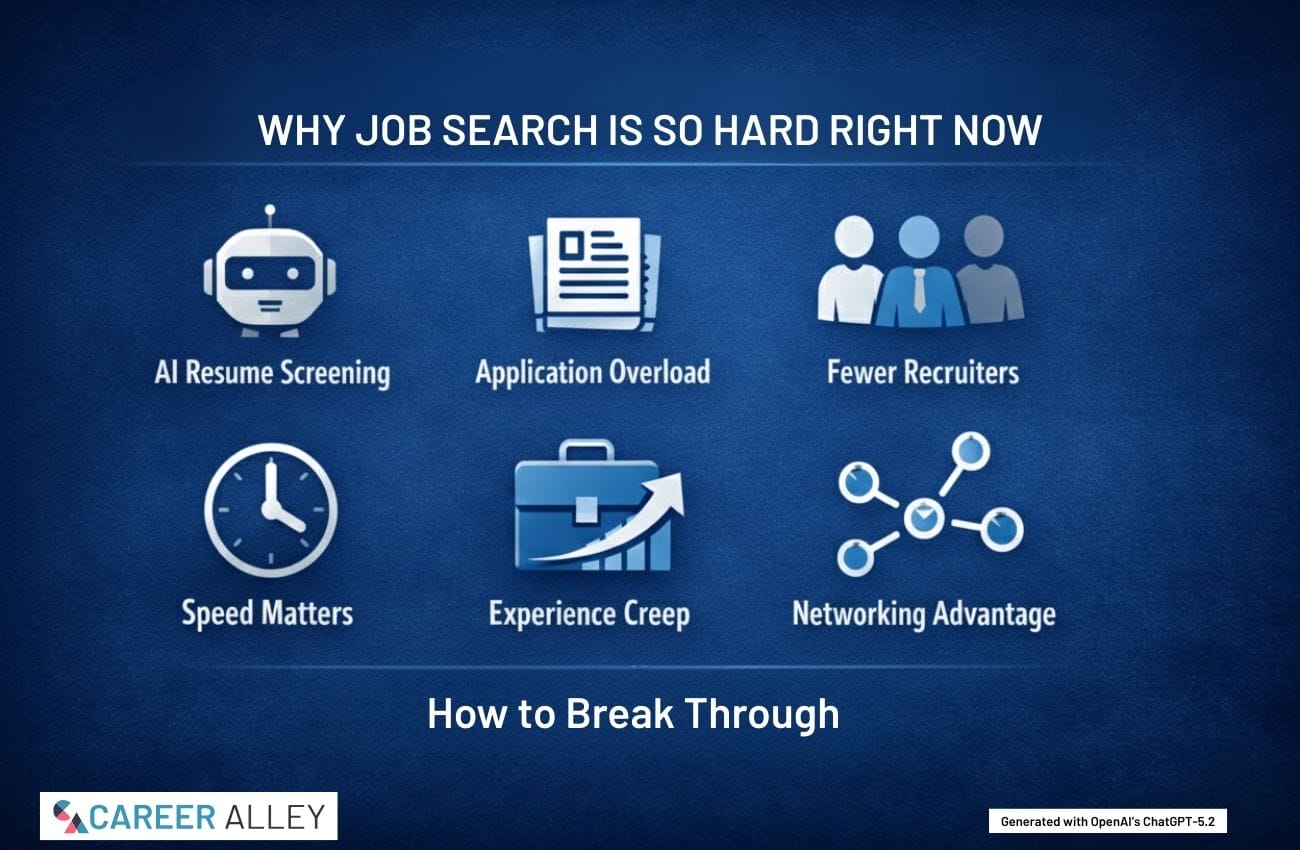
Graduate Job Search Reset
Finishing university is a major milestone, but the first
Standout Job Hunt Tactics
Most graduates flood the same big
- Target Roles: Pick one or two job titles, then tailor
your resume summary and skills section to mirror the language used in those postings. - Direct Outreach: Message hiring managers or team leads with a brief value note and one relevant work sample, then ask for the right contact.
- Hidden Openings: Use alumni groups, local events, and niche communities to find roles before they are widely posted and oversubscribed.
- Weekly System: Set up Google Alerts for target companies and keywords, then apply within 48 hours of new postings.
Interview Confidence Builder
Once interviews arrive, preparation becomes the differentiator. Research the organization’s recent priorities, translate your experience into outcomes, and practice concise stories that show how you think and solve problems. Use a simple structure for behavioral questions, then adapt it to each role so your examples feel job specific rather than memorized. Prepare smart questions that demonstrate curiosity about the work, the team’s success metrics, and early expectations. Finally, rehearse out loud, refine your pacing, and treat every interview as a chance to learn and improve.
Rewards Beyond Income
While financial compensation matters, many social workers prioritize fulfillment over earnings. Helping individuals and families overcome adversity creates lasting impact that extends beyond traditional career metrics.
This sense of purpose often outweighs the appeal of higher-paying roles, making social work a gratifying long-term career.
Further Guidance & Tools
- Career Outlook: Explore social work employment trends and projections using data from the BLS to understand long-term demand.
- Education Paths: Compare accredited social work programs through CSWE to ensure program quality and professional recognition.
- Skill Development: Strengthen counseling and case management skills with continuing education resources from NASW.
- Global Opportunities: Research international development and humanitarian roles via ReliefWeb to expand global career options.
- Burnout Prevention: Learn resilience strategies and workload management techniques from MindMap to support long-term career sustainability.
Next Steps
- Assess Goals: Identify which social issues matter most to you and research specializations that align with your values and long-term career objectives.
- Explore Education: Compare on-campus and online MSW programs within 30 days to determine the best balance between flexibility, cost, and accreditation.
- Build Experience: Volunteer or intern with local nonprofits to gain hands-on exposure and strengthen your application for graduate programs.
- Network Early: Connect with practicing social workers and professional organizations to gain insight into daily responsibilities and career pathways.
- Plan Finances: Create a realistic education and living budget to ensure financial stability while pursuing social work credentials.
Final Words
A career in social work is not an easy path, but it is one of the most impactful and meaningful choices a professional can make. As demand grows and opportunities expand, social work offers purpose, perspective, and the chance to create lasting change for individuals and communities alike.
Accessible and unbiased, Careers in Mental Health introduces upper-level high school students and beginning undergraduates to the different aspects of various mental health professions.






Mark Fiebert is a former finance executive who hired and managed dozens of professionals during his 30-plus-year career. He now shares expert job search, resume, and career advice on CareerAlley.com.