- Key Takeaways
- Recognizing Career Misalignment
- Review Interests and Values
- Assess Transferable
Strengths - Rebrand Your Professional Identity
- Update
Your Resume Strategically - Research Employment Opportunities
- Build a Focused Target List
- Prepare for the Transition
- Managing Fear and Uncertainty
- Further Guidance & Tools
- Next Steps
- Final Words
We may earn a commission if you click on a product link and make a purchase at no additional cost to you. For more information, please see our disclosure policy.
Last updated: January 5, 2026

Key Takeaways
- Career Reassessment: Changing careers starts with reassessing your interests, values, and long-term priorities to avoid repeating the same dissatisfaction in a new role.
- Personal Rebranding: Successfully transitioning careers requires repositioning your experience and
skills so employers clearly see your value in a new industry. - Market Research: Understanding which companies are
hiring and why helps you focus your job search on opportunities with real potential. - Intentional Planning: A structured approach reduces overwhelm and turns a daunting
career change into a manageable, step-by-step process. - Long-Term Alignment: Careers built around values and interests are more likely to provide lasting fulfillment and motivation.
Recognizing Career Misalignment
Many people choose a
Recognizing misalignment is not a failure. Instead, it’s a signal that your priorities have shifted. Paying attention to this signal allows you to make intentional decisions rather than staying stuck out of habit or fear. A

Find a Career That Aligns with Your Passion. The pressure to "find your dream job" can feel overwhelming, even paralyzing. In a world obsessed with the "right answer," this book is a revolutionary alternative.

Review Interests and Values
Before exploring job listings or updating
That’s why reviewing your interests and values is a critical starting point. Identifying what matters most helps you find a career that aligns with who you are now, not who you were years ago.
Assess Transferable Strengths
A common misconception about career changes is that you must start over entirely. In reality, most professionals carry valuable, transferable
Take time to inventory your experience and identify patterns of success. Understanding how your existing

This book is for you if you want to do meaningful work that pays well. If you want to make a big career change without going back to school or taking a step down. If you’ve often wondered if there could be more out there for you. Spoiler alert: there is!
Rebrand Your Professional Identity
Every career creates a professional identity, even if it develops unconsciously.
Rebranding doesn’t mean erasing your past. It means reframing it. By adjusting how you present your experience and focusing on outcomes rather than job titles, you make yourself relevant to a new
Update Your Resume Strategically
Your resume is often the first test of your career transition. Sending a generic resume makes it harder for employers to understand how you fit into a new role. Instead,
This approach not only improves clarity for

The use of SWOT Analysis allows organizations to maximize their strengths, minimize their weakness, take advantage of their opportunities and overcome their weaknesses.
Research Employment Opportunities
Once you have clarity on your target career, the next step is understanding where real opportunities exist. Focusing on organizations that are actively
Go beyond job titles and look closely at company fundamentals. Review how teams are structured, what
Build a Focused Target List
Rather than applying everywhere, create a short list of companies you genuinely want to work for. This approach improves application quality and helps you tailor your messaging more effectively. Employers can often tell when a candidate has done meaningful research.
A focused list also makes networking easier, allowing you to engage with professionals and organizations that align with your interests and values.

Get 10X more Job Interviews with JobCopilot. Automatically apply to jobs from 50,000+ companies worldwide
Prepare for the Transition
Career changes often involve uncertainty, learning curves, and occasional setbacks. Preparing mentally and practically for these realities reduces frustration. This preparation includes financial planning, skill development, and realistic expectations about timelines.
Viewing the transition as a process rather than a single decision helps you stay patient and adaptable as you move forward.

This book will take you through understanding the way you feel now as well as how to improve your current situation immediately so you can create enough space to work on breaking out and doing what you truly love.
Managing Fear and Uncertainty
Fear is one of the biggest obstacles to starting a new career. Concerns about income, identity, and stability can keep people stuck long after they know a change is necessary. Acknowledging these fears without letting them dictate decisions is a critical skill during transitions.
Breaking the process into smaller, achievable steps reduces emotional overwhelm and builds momentum through progress rather than perfection.
Further Guidance & Tools
- Career Mapping: Use Explore Careers to explore careers based on interests and
strengths , helping you identify roles that align with your goals and preferences.
- Self Assessment: Review structured career tools from My Next Move to clarify interests and identify occupations aligned with your
strengths . - Resume Strategy: Follow guidance from Indeed Career Advice to tailor resumes and position transferable
skills effectively. - Professional Rebranding: Learn how to reposition your experience using insights from career development resources.
- Career Coaching: Explore credentialed career support options through NCDA when you want structured guidance and accountability.

Working long hours, with no satisfaction? Want to start your own business, but not sure you can? Changing careers or setting up your own business isn't easy. Let experienced career coach Sarah O'Flaherty show you how others have made the transition.
Next Steps
- Clarify Goals: Write a clear description of the career you want, including daily work, values, and growth opportunities.
- Audit
Skills : Identify transferableskills you already have and note which new capabilities you need to develop. - Refresh Resume: Rewrite
your resume to emphasize outcomes and experiences relevant to your target career. - Research Employers: Build a focused list of companies aligned with your goals and study their
hiring needs. - Take Action: Begin applying strategically while continuing to refine your positioning and professional narrative.
Final Words
Starting a new career can feel intimidating, but it doesn’t have to be overwhelming. By reassessing your values, repositioning your experience, and researching opportunities with intention, you create a clear path forward.
The ability to brand and promote yourself effectively becomes absolutely essential for young professionals to land the job, earn the raise, or get that much deserved promotion. 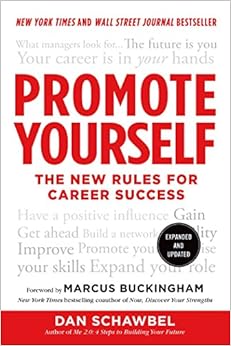
$22.99
$10.50

Mark Fiebert is a former finance executive who hired and managed dozens of professionals during his 30-plus-year career. He now shares expert job search, resume, and career advice on CareerAlley.com.