- Key Takeaways
- What To Do After A Workplace Accident
- Seek Appropriate Medical Attention
- Report The Accident Promptly
- Document The Scene And Identify Witnesses
- Respond To A Slip, Trip, Or Fall At Work
- Understand Workers’ Compensation
- Communicate Carefully With Employers And Insurers
- Consider Legal Help When The Stakes Are High
- Support Recovery And Prevent Another Accident
- Further Guidance & Tools
- Next Steps
- Final Words
We may earn a commission if you click on a product link and make a purchase at no additional cost to you. For more information, please see our disclosure policy.
Last updated: August 21, 2026

Key Takeaways
- Protect Health First: Move away from immediate danger, request emergency help when needed, and obtain appropriate medical attention after a workplace accident.
- Report Promptly: Notify the designated supervisor or employer contact quickly and follow the workplace procedure for creating a written incident report.
- Preserve Evidence: Record the location, conditions, injuries, witnesses, photographs, medical care, missed work, and communications connected to the accident.
- Check State Rules: Workers’ compensation procedures, deadlines, approved medical providers, and available benefits vary significantly by state and worker classification.
- Avoid Rushed Decisions: Understand requests before signing forms, giving recorded statements, resigning, accepting settlements, or making choices that could affect your claim.
What To Do After A Workplace Accident
A workplace accident can affect your health, income, employment, and ability to return to your normal duties. The first steps should focus on immediate safety, medical care, prompt reporting, and accurate documentation. Workers’ compensation and injury rules vary by state, so general guidance cannot replace instructions from your state agency, healthcare provider, union, insurer, or qualified attorney.
Remain calm enough to assess the scene. Move away from fire, chemicals, traffic, machinery, unstable structures, or another immediate danger if you can do so safely. Call 911 for a serious or potentially life-threatening injury, loss of consciousness, severe bleeding, breathing difficulty, suspected spinal injury, or another emergency. Do not move a seriously injured person unless leaving them in place creates a greater immediate danger.
Seek Appropriate Medical Attention
Obtain medical care based on the nature of the injury rather than waiting for pain to become severe. Some workplace injuries, including concussions, strains, and internal injuries, may not be obvious immediately. Tell the healthcare provider that the injury occurred at work, describe how it happened accurately, and follow treatment instructions and work restrictions. Depending on state rules, your employer or insurer may direct you to an approved provider for nonemergency treatment.
Request copies of visit summaries, restrictions, bills, prescriptions, test results, and other relevant medical records. Keep appointments and promptly explain new or worsening symptoms. Complete medical documentation helps providers coordinate treatment and may support a workers’ compensation claim, but avoid exaggerating symptoms or making assumptions about your diagnosis.
Report The Accident Promptly
Notify your supervisor, manager, human resources department, safety officer, or other designated contact as soon as possible. Do not assume that a coworker’s knowledge counts as official notice. Ask how to complete the employer’s incident report and request a copy or confirmation. Contrary to a common claim, not every U.S. workplace is required to maintain a physical accident book, but employers may have reporting and recordkeeping obligations.
Your report should state the date, time, location, task, conditions, people present, and injuries or symptoms you noticed. Keep it factual and avoid guessing about blame. Workers generally have protections for reporting workplace injuries and safety concerns, although applicable law and complaint deadlines can vary. The U.S. Department of Labor provides an overview of workers’ compensation programs.
Document The Scene And Identify Witnesses
After addressing urgent medical and safety needs, preserve information that may disappear. If it is safe and permitted, photograph the area, equipment, spill, damaged surface, lighting, warning signs, footwear, and visible injuries. Do not interfere with emergency responders or an investigation. Write a personal timeline while the details remain fresh and save related schedules, messages, reports, medical paperwork, and wage records.
Identify anyone who saw the accident, noticed the hazard, responded afterward, or heard you report the injury. Ask for contact information without pressuring anyone to provide a particular version of events. The employer, insurer, government agency, or attorneys may contact witnesses later. If another person was injured, obtain permission before photographing or sharing information about them.
Respond To A Slip, Trip, Or Fall At Work
Slips, trips, and falls may involve wet floors, ice, clutter, loose mats, uneven surfaces, poor lighting, ladders, stairs, missing handrails, or inadequate fall protection. This overview of common workplace injuries includes additional information about an incident at work. Preserve details about the exact surface, weather, footwear, warning signs, housekeeping conditions, and whether the hazard had previously been reported.
Do not conclude immediately that negligence occurred or that a lawsuit is required. Workers’ compensation often operates under rules different from a personal injury claim, and responsibility depends on the jurisdiction and facts. A page discussing a slip can provide context, but local legal guidance is necessary when evaluating a specific fall.
Understand Workers’ Compensation
Workers’ compensation is primarily administered through state systems and may provide authorized medical treatment, partial wage replacement, rehabilitation, or other benefits for qualifying work-related injuries and illnesses. Coverage, waiting periods, filing deadlines, provider rules, and benefit calculations vary. Independent contractors, volunteers, federal employees, maritime workers, and other groups may follow different rules.
CareerAlley’s broader guide to being injured at work offers additional safety context. Financial pressure can build while treatment and benefit decisions are pending, so organize medical expenses, missed earnings, reimbursements, and benefit payments without assuming every loss will be covered.
Communicate Carefully With Employers And Insurers
You generally need to communicate with your employer about the accident, medical status, restrictions, leave, and return-to-work planning. Avoid the overly broad advice to refuse all employer discussions. Instead, provide accurate required information, ask questions when a request is unclear, and keep copies. Do not sign a release, resignation, settlement, or other document you do not understand.
An insurer or claims administrator may request a statement. Requirements and consequences vary, so confirm who is requesting it, why it is needed, whether it will be recorded, and what deadline applies. Answer truthfully and avoid speculation. If the injury is serious, the claim is disputed, or you are concerned about a recorded statement, seek state-specific guidance before proceeding.
Consider Legal Help When The Stakes Are High
Not every workplace accident requires an attorney. Legal advice may be useful when a claim is denied, benefits stop, treatment is disputed, permanent restrictions develop, retaliation occurs, a third party may be responsible, or a proposed settlement affects future rights. According to Work Injury Rights, attorneys may assist injured workers with claims, but evaluate any provider’s credentials, jurisdiction, fees, and potential conflicts independently.
Quitting does not automatically erase every claim, but resigning can complicate wage-loss benefits, accommodations, evidence, and return-to-work options. Get advice before making an employment decision during an active claim. Likewise, no attorney can guarantee compensation, protect someone from every adverse action, or make every witness anonymous. A qualified local professional should explain what the law permits in your circumstances.
Support Recovery And Prevent Another Accident
Follow medical restrictions and provide required updates without disclosing more health information than necessary. Before returning, clarify duties, schedules, physical limits, temporary adjustments, and follow-up appointments in writing. Keep a single organized file containing reports, medical instructions, bills, claim numbers, insurer correspondence, wage information, and contact details.
Prevention matters after the immediate crisis. Report unresolved hazards and participate in corrective action when appropriate. Even team activities intended to improve morale, such as workplace treasure hunts, should use safe routes, clear instructions, and hazard checks. A useful investigation should address the condition that caused the accident without discouraging honest injury reporting.
Further Guidance & Tools
- Safety Complaints: Use the OSHA complaint guide to review options for reporting hazards, injuries, or possible retaliation.
- State Programs: Find the appropriate agency through the Department of Labor state directory before relying on general claim guidance.
- Fall Prevention: Review CDC workplace fall resources to understand common hazards and evidence-based prevention measures.
- Return To Work: Consult the EEOC leave and accommodation guidance when an injury creates qualifying disability-related restrictions.
- Medical Records: Use the HHS health-information guide to understand your right to request copies of covered medical records.
Next Steps
- Get Care: Obtain emergency or appropriate medical treatment and tell the provider accurately that the injury happened while you were working.
- Report It: Notify the designated employer contact promptly and request written confirmation or a copy of the completed incident report.
- Preserve Facts: Record conditions, photographs, witnesses, symptoms, medical visits, missed work, restrictions, expenses, and every claim-related communication.
- Check Rules: Contact the correct state workers’ compensation agency to confirm deadlines, forms, provider requirements, and available benefits.
- Review Decisions: Seek qualified advice before resigning, signing a settlement, giving a disputed statement, or accepting a decision you do not understand.
Final Words
The hours and days after a workplace accident can shape your medical recovery, financial stability, and ability to protect your rights. Prioritize safety, obtain appropriate care, report the incident promptly, and preserve accurate records without exaggeration or guesswork. Because workers’ compensation and employment rules differ by jurisdiction, verify deadlines and requirements with authoritative local sources. Careful documentation, professional communication, and timely advice can help you make sound decisions while concentrating on recovery.
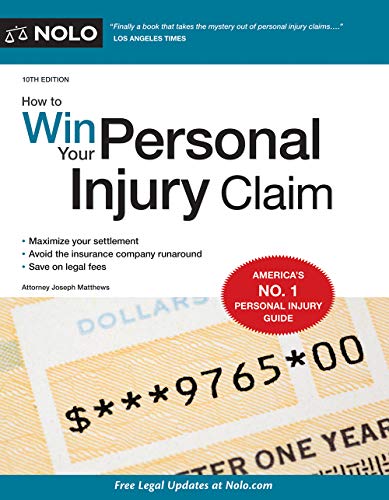
How to Win Your Personal Injury Claim guides you through the insurance claim process step by step. After almost any kind of accident


Mark Fiebert is a former finance executive who hired and managed dozens of professionals during his 30-plus-year career. He now shares expert job search, resume, and career advice on CareerAlley.com.