- Key Takeaways
- Why Employers Ask About Leaving Your Last Job
- Strong, Professional Reasons for Leaving a Job
- Explaining Periods of Unemployment Honestly
- When You Were Fired or Let Go
- Handling Downsizing and Layoffs
- Leaving for Personal or Family Reasons
- Quitting to Find a Better Opportunity
- How to Answer “Why Are You Leaving?”
- How to Explain Being Let Go
- Staying Positive and Maintaining Integrity
- Further Guidance & Tools
- Next Steps
- Final Words
We may earn a commission if you click on a product link and make a purchase at no additional cost to you. For more information, please see our disclosure policy.
Last updated: November 21, 2025

Key Takeaways
- Employer insight: Hiring managers ask why you left your last role to understand your judgment, motivations, and how you handle challenges and change.
- Strong reasons: Growth, culture fit, relocation, restructuring, and work-life balance are all legitimate reasons to leave when framed professionally and positively.
- Honest gaps: Periods of unemployment, caregiving, study, or relocation are acceptable when explained honestly and connected to continued learning or responsibility.
- Difficult exits: Being fired or downsized can be addressed constructively by focusing on lessons learned, improved judgment, and better alignment with future roles.
- Positive framing: Never criticize former employers; emphasize skills gained, achievements, and how your experience prepares you to create value in the new role.
Why Employers Ask About Leaving Your Last Job
During interviews, you can almost guarantee you will be asked why you left your last job or why you want to leave your current one. Employers are not just being nosy; they are evaluating your decision-making, professionalism, and stability, and assessing whether your reasons for a job transition suggest you will thrive and stay in their organization.
They also want to confirm that your expectations align with the role, team, and company culture. A thoughtful, well-structured answer helps them see that you understand your own motivations, can reflect on your experience, and are focused on finding the right long-term fit rather than escaping a bad situation or simply chasing a slightly bigger paycheck.

In this book, you will discover practical and useful tips to make you feel confident during your interview session, making you the special person that companies would love to hire.

Strong, Professional Reasons for Leaving a Job
There are many valid reasons for leaving a job, and the key is how you present them. Focus on growth, alignment, and contribution rather than complaints, conflict, or frustration. Well-framed reasons show that you take your career seriously, think long term, and are moving toward something better rather than running away from something you dislike.
- Seeking Growth: Exploring new challenges and opportunities for professional development to expand your skill set, knowledge, and long-term career potential.
- Company Restructuring: Experiencing organizational changes, downsizing, or shifting responsibilities that significantly altered your role or eliminated your position.
- Career Change: Pursuing a different career path that aligns more closely with your goals, interests, and strengths built over time.
- Relocation: Moving to a new city or region for personal reasons, family commitments, or a planned fresh start in a different market.
- Work-Life Balance: Prioritizing a healthier work-life balance by seeking better hours, reduced commute, or flexible working arrangements to sustain long-term performance.
Working long hours, with no satisfaction? Want to start your own business, but not sure you can? Changing careers or setting up your own business isn't easy. Let experienced career coach Sarah O'Flaherty show you how others have made the transition.

- Company Culture: Looking for a work environment that better reflects your values, promotes collaboration, and supports meaningful professional growth.
- Professional Advancement: Pursuing a role offering greater responsibility, leadership opportunities, or progression that was not realistically available in your prior organization.
- Skills Utilization: Seeking a position that allows you to fully apply your specific skills, expertise, and industry knowledge rather than remaining underutilized.
- Company Instability: Leaving due to significant uncertainty, instability, or repeated strategic shifts, and seeking a more secure, well-managed work environment.
- Personal Development: Taking a deliberate career break to focus on education, skill building, or volunteer work that ultimately strengthens your long-term career profile.
Explaining Periods of Unemployment Honestly
Unemployment can happen for many reasons, including business downturns, company closures, acquisitions, or broad economic shifts beyond your control. Sometimes, entire industries contract, consumer demand changes, or technology transforms how work gets done, leaving even high performers unexpectedly out of a job through no fault of their own.
In other cases, unemployment follows a deliberate choice, such as relocating, returning to school, or stepping back to reassess your direction. Whatever the cause, stay calm and factual, mention any constructive activities you pursued, and emphasize how the experience clarified your goals and prepared you to re-enter the workforce with renewed focus and resilience.
This book is an in-depth exploration of the impact of Artificial Intelligence (AI) on job security and unemployment. It covers various aspects of AI, including its history, current state of development, and potential implications for the workforce and society.

When You Were Fired or Let Go
If you were fired or formally terminated, avoid using emotionally charged language when discussing it with employers. Instead of saying “I was fired,” focus on what happened in concise, neutral terms, then pivot quickly to what you learned and how you have improved your judgment, communication, or performance in response to that experience.
If you are unsure how your former employer will describe your departure, consider contacting the HR department to understand their reference policy. You can even ask a trusted friend to conduct a mock reference check. This helps you craft accurate, confident responses and ensures your explanation aligns with what prospective employers are likely to hear.
Handling Downsizing and Layoffs
Being downsized is extremely common and often easier to explain than performance-related terminations. Companies close plants, reduce staff, or restructure during cost-cutting efforts, mergers, and acquisitions. Sometimes these events are public and even covered in the news, which makes your explanation more credible and easier for interviewers to understand.
When describing a layoff, clearly distinguish it from performance issues. Briefly explain the business context, confirm that many roles were affected, and then move quickly to how you stayed active afterward—networking, upskilling, consulting, or preparing strategically for your next move, rather than simply waiting for something to happen.
Nearly 50,000 people lose their jobs EVERY DAY. Are you one of them? Have you recently lost your job? Are you worried about what’s going to happen with your career next? Are you battling emotional issues such as self-doubt and anxiety? Before you burn down the building, read this first.

Leaving for Personal or Family Reasons
Sometimes life outside of work becomes the priority. You may need to care for a sick parent, spouse, or child, manage a severe family crisis, or respond to a personal tragedy that makes full-time employment unsustainable. Employers understand that real life is complicated, especially when you explain it professionally and without oversharing.
When discussing these situations, keep your explanation brief and respectful, emphasizing responsibility and stability. Highlight that circumstances have changed, you are now able to commit fully to a new role, and you are eager to bring maturity, empathy, and resilience to your next employer.
Quitting to Find a Better Opportunity
While it is usually ideal to secure a new role before resigning, there are times when leaving first is the only realistic path to a better opportunity. Perhaps your role was consuming so much time and energy that you could not effectively search or interview, or your organization was undergoing changes that made staying untenable.
In these cases, frame your decision as a thoughtful step toward growth rather than an abrupt escape. Emphasize that you took time to clarify your goals, research options, and target roles where you can contribute more, and reference resources you used to organize your search, such as job search tools and structured networking.
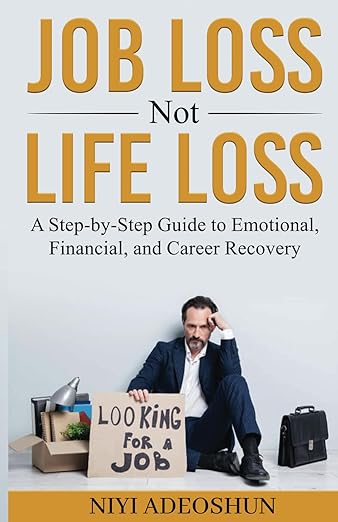
a step-by-step guide to recovering emotionally, financially, and professionally so you can rebuild your future with confidence and faith. Whether you’re struggling with fear, searching for a new job, or wondering how to survive financially
How to Answer “Why Are You Leaving?”
Employers expect you to answer questions about why you left a job or want to leave your current one with clarity and composure. They want reassurance that you are moving for professional reasons, not because of unresolved conflict, impulsive decisions, or unrealistic expectations. The way you explain your motivations often matters more than the specific reason itself.
- Explain that you are looking for better opportunities to grow, contribute, and develop skills that are not fully used in your current role.
- Mention if your current company is downsizing, relocating, or closing operations in a way that directly impacts your position or long-term prospects.
- Highlight that you were not actively looking, but this opportunity strongly aligns with your interests, values, and long-term career goals.
- Refer to compensation only as a secondary factor, after growth, impact, culture, and responsibilities, so it does not appear to be your sole motivation.
- Note limited advancement at your current employer and your desire to take on new challenges, scope, or responsibilities in a more suitable environment.
This book is about getting one's life in order and moving on after career setbacks. The book shares a number of anecdotes from personal experiences, intending that the book be both instructional and motivational in its tone.

How to Explain Being Let Go
When asked whether you left voluntarily or were let go, keep your answer straightforward and calm. Employers are watching to see whether you take responsibility, avoid blame, and focus on what you learned rather than relitigating old disagreements or criticizing former managers.
- If you were let go, briefly describe the situation without unnecessary detail, then return to your strengths and recent progress.
- Emphasize that the role ultimately was not the best fit for your skills and that you have since sought positions that better match your strengths.
- Mention if expectations changed significantly or you were asked to take on responsibilities your employer felt were not a match, and what you learned from that.
Staying Positive and Maintaining Integrity
No matter how difficult your departure, resist the urge to speak negatively about former employers, managers, or colleagues. Instead, highlight the skills you developed, the accomplishments you achieved, and any projects that demonstrate your impact. This shows professionalism, maturity, and the ability to move forward constructively rather than dwelling on grievances.
Integrity is equally essential when addressing employment dates and gaps. Never manipulate dates on your resume to hide a short or problematic role; background checks and references often reveal the truth. Acceptable reasons for gaps include staying home with family, caring for someone who is ill, raising children, or relocating. While extended travel or writing a book can be valid, consider carefully how they may be perceived and frame them in a way that emphasizes responsibility and growth.
Every one of us has, at some point in our career, been directly impacted or have a friend or family member that has been impacted by job loss.

Here’s an updated version of the Further Guidance & Tools section with links more tightly tied to the content, all checked for live status (no 404s), each from a different reputable domain:
Further Guidance & Tools
The resources below offer practical guidance to help you clearly explain job changes, employment gaps, layoffs, and career transitions with confidence.
- Reason Framing: Examples of strong, professional reasons to give when leaving a job.
- Layoff Support: Use Indeed layoff advice to learn how to discuss layoffs calmly and effectively in interviews.
- Career Gaps: Visit FlexJobs’ employment gap tips for guidance on explaining resume gaps with clarity and honesty.
- Career Reflection: Check out this link for insight into understanding motivations and navigating change.
Next Steps
- Write a concise, positive explanation for why you left each recent role, then practice saying each one aloud until it feels natural and confident.
- Identify any employment gaps, list what you did during each period to stay engaged, and prepare one clear, honest sentence to describe each gap.
- Conduct a mock interview with a friend or mentor focused solely on “why you left” questions and refine your answers based on their feedback.
- Review
your resume for accuracy, especially dates and titles, and ensure it aligns with the explanations you will share during interviews. - Prepare two or three brief success stories that highlight your impact in previous roles so you can redirect conversations from exits to contributions.
Final Words
Answering why you left a job is less about perfection and more about maturity, honesty, and focus. When you frame your decisions around growth, responsibility, and contribution, you reassure employers that you are ready for a stronger, more aligned next chapter in your career.
We’re with you until you land your next job — placement support guaranteed. Four expert services. One simple fee. This personal, done-for-you, job placement support service has everything you need to find your next role.


Mark Fiebert is a former finance executive who hired and managed dozens of professionals during his 30-plus-year career. He now shares expert job search, resume, and career advice on CareerAlley.com.