- Key Takeaways
- Why Career Protection Matters After An Injury
- Report A Workplace Injury Promptly
- Keep Medical Care And Follow-Up Appointments On Track
- Get Clear Documentation Of Your Work Restrictions
- Understand Leave And Job Protection Before Returning
- Consider A Phased Return Instead Of Going Straight Back To Full Duty
- Ask About Reasonable Workplace Accommodations
- Clarify The Return-To-Work Plan In Writing
- Protect Your Financial Position During Recovery
- Maintain Professionalism Without Sacrificing Your Rights
- Know When Your Career Plan May Need To Change
- Further Guidance & Tools
- Next Steps
- Final Words
We may earn a commission if you click on a product link and make a purchase at no additional cost to you. For more information, please see our disclosure policy.
Last updated: October 1, 2026

Key Takeaways
- Protect Your Health: Follow medical restrictions and treatment recommendations carefully, and don’t rush back to work before you can safely perform required duties.
- Document Everything: Keep organized records of medical visits, work restrictions, employer communications, missed work, benefits, and accommodation requests throughout your recovery.
- Know Your Options: Workers’ compensation, medical leave, disability accommodations, insurance benefits, and personal injury claims may apply differently depending on your circumstances.
- Plan Your Return: A phased schedule, modified duties,
remote work , or other adjustments may help you resume work without jeopardizing your recovery. - Stay Professional: Clear communication with your employer, health care providers, insurers, and advisers can reduce misunderstandings while protecting your career and financial position.
Why Career Protection Matters After An Injury
A serious injury can disrupt your health, income, routine, and career at the same time. Whether the injury happened at work, in a vehicle accident, at home, or because of someone else’s actions, returning to normal employment may require more planning than simply waiting until you feel better.
The main goal is to protect your recovery while maintaining clear communication about your ability to work. Medical restrictions, available leave, disability accommodations, workers’ compensation rules, insurance benefits, and employer policies can all affect what happens next.
When another party may be responsible for an accident, making a personal injury claim is one possible route for pursuing compensation, depending on the facts and applicable law. A claim is separate from the practical career decisions involved in maintaining employment and eventually returning to work.
Financial organization also matters during this period. CareerAlley’s personal financial management resource may help when reviewing cash flow and obligations while income is interrupted.
Returning to work too soon after an injury can cost you more than recovery time. The right plan protects your health, income, and career. See what to document, request, and confirm before you go back. #PersonalInjuryClick To TweetReport A Workplace Injury Promptly
If you were injured on the job, report it through your employer’s established procedure as soon as practical. Workers’ compensation is primarily governed at the state level, so deadlines, benefits, reporting rules, and claim procedures vary considerably by jurisdiction. The U.S. Department of Labor maintains links to state workers’ compensation agencies to help employees identify the rules that apply where they work.
Do not assume that every workplace injury automatically produces a particular amount of compensation or guarantees job protection. Eligibility and benefits depend on state law, employment circumstances, medical evidence, and the injury’s nature.
A detailed record can become important if questions arise later. Keep copies of incident reports, medical records, work-status notes, communications with the employer or insurer, claim numbers, and records showing missed work.
Some employees develop conditions gradually rather than through a single accident. The discussion of workers’ compensation after someone has suffered an injury illustrates how repetitive or cumulative injuries can raise different issues. Because that resource addresses Kentucky law, employees elsewhere should verify requirements with their own state workers’ compensation agency or an appropriate professional.
Keep Medical Care And Follow-Up Appointments On Track
Your health care provider should guide decisions about treatment, physical activity, and when you can safely resume particular work duties. Returning too quickly can be especially problematic when your job involves lifting, driving, prolonged standing, machinery, repetitive motion, or other physically demanding tasks.
A follow-up appointment can give you an opportunity to discuss symptoms, treatment progress, medication effects, test results, and concerns about returning to work. Prepare questions in advance, particularly when you are unsure which job functions you can safely perform.
Continue following the medical treatment plan for your condition. If your symptoms change or the job demands differ from what your provider understood, explain those details rather than trying to work through the problem.
CareerAlley’s guide on returning to work after an illness or injury offers additional guidance for situations not necessarily connected to a workplace accident.
Get Clear Documentation Of Your Work Restrictions
Before returning, ask your health care provider which activities are medically appropriate and whether you need written restrictions. Depending on the situation, documentation may address lifting limits, standing or sitting time, driving, repetitive movements, reduced hours, breaks, or other functional limitations.
Do not assume that every employer uses the same type of “fit-to-work” document. Under the federal Family and Medical Leave Act, a covered employer may require a fitness-for-duty certification in certain circumstances if it has a uniformly applied policy for similarly situated employees. State law, collective bargaining agreements, workers’ compensation rules, and employer policies can create additional requirements.
Provide required documentation through the appropriate employer process, often human resources, a leave administrator, or a supervisor. Keep your own copy and make sure the employer understands what you can and cannot safely do.
The goal isn’t simply to get permission to return. It is to ensure the work you are assigned matches your current capabilities.
Understand Leave And Job Protection Before Returning
Time away from work after an injury may involve several different programs, and you should not treat them as interchangeable.
The federal Family and Medical Leave Act can provide eligible employees of covered employers with job-protected leave for qualifying serious health conditions. Eligibility depends on factors including how long the employee has worked for the employer, hours worked, and employer coverage. Eligible employees generally have reinstatement rights to the same or a virtually identical position after protected leave.
Workers’ compensation may provide medical or wage-replacement benefits for qualifying work-related injuries, but the details vary by state. Short-term or long-term disability insurance may provide income benefits for certain conditions but does not automatically create the same job-protection rights as the FMLA.
That distinction matters. A benefit that replaces some income while you cannot work is not necessarily the same thing as a law protecting your position during an absence.
If your situation becomes disputed, CareerAlley’s discussion of when to seek legal action against your employer can help you recognize when professional advice may be appropriate.
Consider A Phased Return Instead Of Going Straight Back To Full Duty
Returning to work doesn’t always mean immediately resuming the same hours and responsibilities you had before the injury. Depending on your medical needs, employer policies, applicable law, and the nature of the job, a gradual transition may be more realistic.
A phased return could involve:
- Reduced Hours: Working shorter days or fewer days temporarily while your endurance and functional capacity improve.
- Modified Duties: Temporarily removing tasks that conflict with documented medical restrictions while retaining work you can perform safely.
- Additional Breaks: Allowing scheduled recovery periods when prolonged sitting, standing, concentration, or repetitive activity creates problems.
- Remote Work: Performing suitable duties away from the workplace when commuting or mobility creates a barrier and the role permits it.
- Gradual Progression: Increasing hours or responsibilities in stages when medically appropriate rather than moving immediately to full duty.
For employees covered by the FMLA, medically necessary intermittent or reduced-schedule leave can be available in qualifying circumstances.
When
CareerAlley resources, such as work-from-home opportunities and Virtual Vocations, may also be relevant if an injury eventually leads you to reconsider the kind of work arrangement that suits you.
Ask About Reasonable Workplace Accommodations
If an injury results in a condition that qualifies as a disability under the Americans with Disabilities Act, a covered employer may have an obligation to provide an effective reasonable accommodation unless doing so would create an undue hardship or another exception applies.
Potential accommodations can include changes to equipment, schedules, work locations, policies, or how particular tasks are performed. The process is individualized; an employer does not necessarily have to provide the exact accommodation an employee requests if another effective option is available. The Equal Employment Opportunity Commission describes this discussion as an interactive process between the employer and employee.
The survivor article previously described an employer potentially needing to temporarily change your job responsibilities. A more precise way to view this is that modified duties can sometimes be part of an accommodation or return-to-work arrangement, but the employer generally does not have to eliminate an essential job function.
Employees outside the United States should verify local requirements. For example, the United Kingdom’s Advisory, Conciliation and Arbitration Service explains workplace adjustments under the Equality Act 2010, including changes to working arrangements and phased returns. Those UK rules should not be assumed to apply to U.S. employment.
Employees whose main limitation is commuting or mobility may also explore remote work arrangements when they are practical for the job.
Clarify The Return-To-Work Plan In Writing
Before your first day back, make sure you understand the arrangement. Verbal conversations can help, but important details are easier to manage when documented.
Confirm matters such as:
- Start Date: Know when the return begins and whether the schedule changes over time.
- Work Hours: Clarify whether you are returning full time, on reduced hours, or under another temporary schedule.
- Job Duties: Identify which responsibilities remain unchanged and which are temporarily modified.
- Restrictions: Make sure supervisors understand medically documented limitations that affect assigned work.
- Review Date: Set a date to reassess temporary arrangements as your recovery progresses.
Written expectations protect everyone from avoidable confusion. They also make it easier to recognize when assigned duties drift away from the agreed restrictions.
If your absence was for a reason unrelated to an injury, CareerAlley’s article on getting back to work after raising a child addresses a different type of career return.
Protect Your Financial Position During Recovery
Income disruption can influence career decisions. Employees under financial pressure may feel compelled to return before they are medically ready or accept duties that conflict with restrictions.
Identify every potential source of income or benefits early. Depending on the circumstances, that may include workers’ compensation, employer sick leave, paid time off, short-term disability, long-term disability, state benefits, insurance claims, or a personal injury claim.
Keep records showing medical expenses, missed work, benefit payments, claim correspondence, and other financial consequences. If a claim involves reduced earning capacity or disputed benefits, professional legal or financial guidance may be appropriate.
You don’t need a lawyer for every injury, and the right type of lawyer depends on the issue. Workers’ compensation, employment law, disability discrimination, and personal injury are distinct areas. Seek advice appropriate to the actual problem rather than assuming one legal claim covers every aspect of your employment situation.
Maintain Professionalism Without Sacrificing Your Rights
Recovery can be frustrating, especially when medical restrictions, insurance decisions, staffing pressures, and employer expectations conflict. Keep important communications factual and professional even when you disagree.
Provide required documentation on time, respond to reasonable requests, follow established leave procedures, and promptly raise concerns if assigned work conflicts with documented restrictions.
At the same time, professionalism does not mean ignoring your rights or performing work that your health care provider has advised you not to do. When a disagreement affects your health, benefits, accommodation, or continued employment, obtain appropriate guidance rather than relying on assumptions.
Be thoughtful about public social media activity during recovery. Public posts can create confusion if they appear inconsistent with statements made to an employer, insurer, or other party. The relevant issue is not whether an injured person must avoid ordinary life, but whether public information can be misunderstood in a disputed claim.
Know When Your Career Plan May Need To Change
Many people return successfully to their previous jobs after an injury. Others discover that permanent restrictions make certain duties, schedules, environments, or commutes unrealistic.
If limitations become long-term, explore whether accommodations, reassignment, vocational rehabilitation, additional training, or a different role could preserve your earning ability. Rehabilitation can include vocational services intended to help people build or regain skills needed for work.
A
Further Guidance & Tools
- Medical Leave: Review the U.S. Department of Labor FMLA guide to understand federal eligibility, leave, and return-to-work protections.
- Workplace Accommodations: Use the EEOC accommodation guidance to understand how disability-related leave, workplace changes, and return-to-work requests may be handled.
- Recovery Planning: Explore MedlinePlus rehabilitation information for an overview of physical, occupational, cognitive, and vocational rehabilitation after illness or injury.
Next Steps
- Document Your Case: Organize medical records, work restrictions, incident reports, employer messages, insurance correspondence, missed work, and benefit information in one place.
- Confirm Restrictions: Ask your health care provider which job duties, hours, activities, or physical demands are appropriate during each stage of recovery.
- Review Benefits: Identify applicable leave, workers’ compensation, disability insurance, paid time off, accommodations, or other benefits before making return-to-work decisions.
- Plan The Return: Discuss your schedule, duties, accommodations, restrictions, and review dates with the appropriate employer representative before resuming work.
- Get Advice: Contact the appropriate agency or qualified professional when a disputed claim, accommodation, benefit, or employment issue cannot be resolved clearly.
Final Words
Protecting your career after an injury is not about returning to work as quickly as possible. It is about returning in a way that respects your medical limitations, preserves available employment protections, and gives you a realistic chance to remain productive over the long term. Keep good records, communicate clearly, understand which benefits and laws actually apply to your situation, and be willing to adjust the plan as your recovery develops. A thoughtful return can protect both your health and the career you have worked to build.
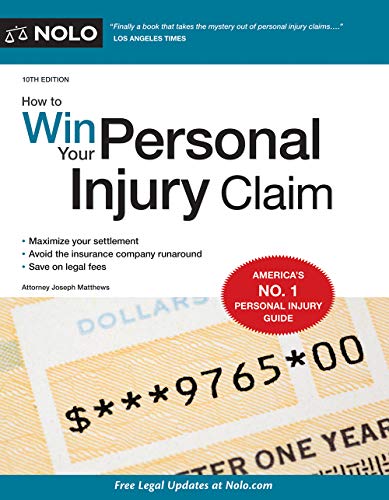
How to Win Your Personal Injury Claim guides you through the insurance claim process step by step. After almost any kind of accident


Mark Fiebert is a former finance executive who hired and managed dozens of professionals during his 30-plus-year career. He now shares expert job search, resume, and career advice on CareerAlley.com.