- Key Takeaways
- Should You Turn Your Hobby Into A Business?
- The Advantages Of Monetizing A Hobby
- The Risks Of Turning Fun Into Work
- Ways To Turn A Hobby Or Skill Into Income
- Test The Market Before You Quit Your Job
- Build The Skills Your Hobby Does Not Teach
- Keep The Creative Side Sustainable
- Know When The Business Is Ready To Grow
- Further Guidance & Tools
- Next Steps
- Final Words
We may earn a commission if you click on a product link and make a purchase at no additional cost to you. For more information, please see our disclosure policy.
Last updated: August 19, 2026

Key Takeaways
- Test Demand First: Loving a hobby doesn’t mean customers will pay, so validate demand, pricing, and repeatability before relying on it for income.
- Protect the Enjoyment: Turning a hobby into work introduces deadlines, criticism, customer expectations, and repetition that can change how the activity feels.
- Choose A Model: Freelancing, consulting, teaching, content creation, products, and services offer different ways to monetize the same underlying skill or interest.
- Keep Risk Manageable: Starting part-time lets you test demand, refine your offer, build customers, and learn the business before leaving steady employment.
- Run It Professionally: Sustainable income requires pricing, recordkeeping, marketing, customer service, and business discipline in addition to enthusiasm or creative talent.
Should You Turn Your Hobby Into A Business?
Turning something you already enjoy into paid work can sound like the ideal career move. You begin with knowledge, enthusiasm, and experience instead of learning everything from scratch. A photographer might start taking paid portraits, a fitness enthusiast could train for a professional role, a skilled woodworker might sell custom pieces, or someone with deep knowledge of a subject could teach, consult, or create content around it. CareerAlley’s guide to turning something you love into a career explores that broader possibility.
But enjoying an activity and running a profitable business around it are different things. Customers create deadlines. Pricing creates pressure. Marketing takes time away from the hobby itself. Mistakes can cost money, and demand may be weaker than friends and family suggested. The better question is not simply whether you love the activity. It is whether you would still enjoy doing it consistently, to someone else’s standards, while handling the business responsibilities that come with it.

So you're a high school or college student who thinks you know what you want to do with the rest of your life. Or maybe you don't have the first clue about your future. In either case, Tamara S. Raymond's Careering: The Pocket Guide to Exploring Your Future Career should be at the top of your reading list.

The Advantages Of Monetizing A Hobby
A hobby can give you a useful head start. You may already own equipment, understand terminology, know suppliers, recognize quality, follow industry trends, and have examples of your work. Years of informal practice can also create expertise that a complete beginner would need considerable time to develop. That can lower the learning curve and make it easier to test a small paid offer without a major upfront commitment.
- Existing Skills: You are building from abilities and knowledge you already possess rather than choosing an unfamiliar business solely because it appears profitable.
- Natural Motivation: Genuine interest can make practicing, improving, researching, and serving customers more satisfying than work you feel little connection to.
- Useful Networks: Hobby communities may already connect you with potential customers, collaborators, suppliers, instructors, or people who understand the market.
- Flexible Entry: Many hobby-based businesses can begin with a few customers or projects while you continue earning income from your regular job.
The strongest advantage may be the ability to test the idea gradually. You do not need to decide immediately that your hobby must become your full-time career. A few paid projects can tell you far more about demand, pricing, customer expectations, and your own enthusiasm than months spent imagining what the business might be like.
The Risks Of Turning Fun Into Work
The biggest risk is that commercializing your hobby changes your relationship with it. Doing something when inspiration strikes is very different from doing it because a customer expects delivery on Friday. Repetition can reduce novelty, creative blocks can become business problems, and criticism can feel more personal when customers evaluate something closely connected to your identity.
- Enjoyment Can Fade: An activity that once helped you relax may begin to feel like another obligation when income depends on completing it.
- Mistakes Cost More: Errors involving customer orders, materials, deadlines, or commitments can lead to refunds, replacement costs, poor reviews, or lost business.
- Income Can Vary: Demand may be seasonal or inconsistent, especially before you have repeat customers, referrals, and reliable marketing channels.
- Business Work Expands: Selling often requires bookkeeping, scheduling, marketing, customer service, purchasing, administration, and follow-up that have little to do with the hobby.
- Feedback Gets Real: Paying customers may judge your work more critically than friends, family, or members of a hobby community.
None of these disadvantages means you should avoid the opportunity. They mean you should test whether you like the professional version of the activity before sacrificing the personal version that originally made it enjoyable.
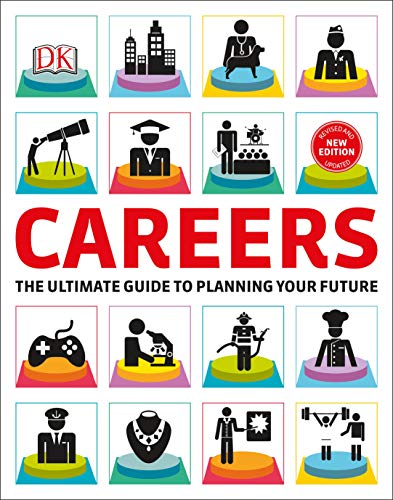
This comprehensive careers handbook is packed with ideas and inspiration to set you on the right career path. Tailor made to suit your individual strengths and interests, you’ll work out where you want to go and the exact route to take.
Ways To Turn A Hobby Or Skill Into Income
You do not have to build a traditional company around your hobby. The same skill can often support several business models, and the best choice depends on what customers actually value and how you prefer to work.
- Freelancing: Sell a specific skill directly to clients through projects or ongoing engagements. CareerAlley’s freelance jobs you can work from home show how independent work can fit different skill sets.
- Consulting: If your strongest asset is experience rather than production, businesses or individuals may pay for analysis, recommendations, strategy, coaching, or specialized guidance.
- Teaching: Lessons, workshops, classes, coaching, or digital instruction can monetize knowledge without requiring you to manufacture a physical product.
- Content: Writing, video, newsletters, podcasts, or educational material can support advertising, sponsorships, products, memberships, or client acquisition over time.
- Products: Makers, artists, designers, photographers, bakers, and other creators can sell physical or digital products directly to customers.
- Services: Some interests naturally become local or professional services. A talent for decorating, for example, can develop into staging or design work; Staging Studio’s home staging business model illustrates one commercial approach within that field.

Freelance to Freedom is the book on how individuals can reconstruct their life to create financial and time freedom.
Test The Market Before You Quit Your Job
Do not confuse compliments with demand. Someone saying that your photographs, cakes, artwork, advice, or handmade products are excellent is not the same as that person paying a sustainable price for them. Before making a major
A
Build The Skills Your Hobby Does Not Teach
Being excellent at the underlying activity does not automatically make you good at selling it. A talented designer still needs to communicate with clients. A photographer needs pricing and scheduling systems. A consultant needs to define outcomes. A creator needs to understand marketing. A maker needs reliable fulfillment and quality control. If a skill gap is preventing you from charging professionally, CareerAlley’s Chegg skills resource can help you explore practical development options.
Training should solve a real business problem, not become a way to postpone selling. Review what successful practitioners in your field can do, identify your most important gaps, and prioritize skills customers or employers will actually value. CareerAlley’s Coursera resource offers another way to investigate structured courses and credentials.
Learn without limits
Start, switch, or advance your career with more than 5,800 courses, Professional Certificates, and degrees from world-class universities and companies.
Keep The Creative Side Sustainable
If your hobby depends on creativity, protect room for experimentation that isn’t dictated by customers. Paid assignments tend to favor consistency and deadlines, while personal projects give you space to try new techniques and remember why you enjoyed the activity originally. Separating client work from personal work can make it easier to preserve both quality and enthusiasm.
Content creators face a similar challenge. Writing about something you love can become a business, but consistent publishing requires more than having interesting ideas. You need to understand your audience and communicate clearly. Copyblogger’s guide to writing good copy provides practical principles for making commercial writing clearer and more persuasive.
Know When The Business Is Ready To Grow
Moving from occasional income to a full-time business should be based on evidence rather than frustration with your current job. Look for sustained customer demand, repeat business, realistic pricing, manageable operating costs, and a clear way to find new customers. Consider whether you have enough savings or other financial flexibility to handle an uneven start.
Also decide what success actually means to you. Some hobbies make excellent side businesses but poor full-time careers. Earning several thousand dollars a year from something enjoyable may be more satisfying than forcing it to replace your entire salary. You are not required to maximize every interest. Sometimes keeping a profitable hobby small preserves the flexibility and enjoyment that made it attractive in the first place.

Optimize your job search in minutes with 18 powerful tools
Build a standout resume, tailor it to every role, discover jobs you’ll love, and apply with one click — all in one place. Perfect for self-starters who want speed and flexibility.
Further Guidance & Tools
- Business Planning: Use the SBA business planning resources to research your market, estimate startup costs, and build a practical plan.
- Tax Basics: Review the IRS hobby versus business guidance to understand how profit intent can affect federal tax treatment.
- Going Full Time: Explore SCORE’s side hustle transition guidance for practical considerations before replacing employment income with your business.
- Brand Protection: Consult USPTO trademark basics when evaluating how to protect a business name, brand, or service identity.
- Creative Rights: Use the U.S. Copyright Office copyright guide to understand basic protections for original creative work.
Next Steps
- Define Demand: Identify exactly who would pay for your hobby-based product or service and what problem, desire, or outcome it addresses.
- Test Small: Sell to a limited audience before quitting your job, then track inquiries, conversions, repeat customers, expenses, and actual profit.
- Price Honestly: Calculate materials, tools, platform fees, taxes, delivery, and your time before deciding whether the business can support you.
- Build Proof: Collect examples, testimonials, reviews, or measurable results that show strangers why they should trust you with paid work.
- Set A Trigger: Decide what revenue, savings, customer demand, or workload threshold must be reached before considering a full-time transition.

Job search essentials curated to help you prepare, stay organized, improve your resume, and approach interviews with more confidence.
Final Words
Turning a hobby into a business can create meaningful work and additional income, but the best transitions are built on evidence rather than enthusiasm alone. Test whether strangers will pay, choose a business model that fits your strengths, learn the commercial skills your hobby never required, and understand the effect paid work has on your enjoyment. You may ultimately build a full-time career, a profitable side business, or simply confirm that some passions are more valuable when they remain personal.

A Pro Shares a Step-by-Step Guide to Creating a Plan that Gets Results by Hal Shelton will open your eyes to insider tips, hints, and techniques for creating a winning business plan.

Mark Fiebert is a former finance executive who hired and managed dozens of professionals during his 30-plus-year career. He now shares expert job search, resume, and career advice on CareerAlley.com.