

- Key Takeaways
- Career Opportunities in Criminal Justice
- Law Enforcement and Investigation Careers
- Corrections, Probation, and Community Supervision
- Forensic Science and Crime Scene Investigation
- Legal Careers and Courtroom Support
- Intelligence Analysis and Conservation Law Enforcement
- Choosing the Right Criminal Justice Career
- Preparing for a Career in Criminal Justice
- Further Guidance & Tools
- Next Steps
- Final Words
We may earn a commission if you click on a product link and make a purchase at no additional cost to you. For more information, please see our disclosure policy.
Last updated: November 12, 2026

Key Takeaways
- Explore Diverse Careers: Criminal justice offers opportunities in law enforcement, corrections, investigations, legal services, forensic science, and community supervision.
- Understand Education Requirements: A criminal justice degree can support several career paths, but some occupations require specialized training, additional degrees, licensing, or agency certification.
- Compare Working Conditions: Some positions involve physical risks and irregular schedules, while others emphasize research, legal analysis, administrative responsibilities, or scientific investigation.
- Evaluate Career Prospects: Salary, employment outlook, and advancement opportunities vary considerably by occupation, employer, geographic location, and experience.
- Prepare Strategically: Research agency requirements, gain relevant experience, strengthen communication and analytical skills, and pursue credentials aligned with your preferred occupation.
Criminal justice careers extend far beyond becoming a police officer. The field includes investigating crimes, analyzing evidence, supporting legal proceedings, supervising offenders, protecting wildlife, and gathering intelligence. These occupations offer different combinations of public service, professional responsibility, working conditions, and opportunities for advancement.
A criminal justice degree can provide a foundation for several of these careers, but it does not automatically qualify graduates for every position. Some employers accept applicants with a high school diploma and specialized training, while others require a bachelor’s degree, scientific education, professional certification, or additional legal qualifications.
A criminal justice degree opens more doors than police work. Explore careers in forensics, corrections, legal services, and investigations, plus the qualifications and tradeoffs that matter before you choose. #CareersClick To TweetUnderstanding those differences can help you choose a
Career Opportunities in Criminal Justice
Criminal justice encompasses several occupational groups with distinct responsibilities. Law enforcement focuses on preventing and investigating crime. Corrections and community supervision involve managing individuals in custody or under court-ordered supervision. Forensic specialists examine evidence, while legal professionals help administer the justice system.
Before choosing a specialization, consider whether you prefer working directly with people, conducting investigations, analyzing information, or applying technical knowledge. Your answer can help narrow the possibilities.
A resource covering criminal justice may provide additional perspective on career planning. CareerAlley’s discussion of diverse career paths also shows why employment decisions should reflect personal priorities and work preferences.
Law Enforcement and Investigation Careers
Law enforcement and investigative occupations are among the most recognizable criminal justice careers. Although they share responsibilities for public safety and information gathering, their duties and entry requirements differ considerably.
Police Officers and Detectives: Police officers respond to incidents, enforce laws, investigate complaints, and prepare reports. Detectives focus more heavily on investigating suspected crimes, interviewing witnesses, reviewing evidence, and developing cases. Many detectives begin as patrol officers before moving into investigative assignments.
Entry requirements vary by jurisdiction. Applicants generally must satisfy agency eligibility standards, complete required training, and meet physical and background-screening requirements. Some agencies require college credits or a degree, while others do not.
Private Investigators: Private investigators gather information for individuals, businesses, attorneys, and other clients. Assignments may include background research, surveillance, locating individuals, and investigating potential fraud. State licensing requirements vary, and relevant investigative experience can be important.
People considering private investigators may also find related opportunities in legal support and investigative work, particularly when they have transferable experience from military or law enforcement service.
Federal Marshals: Deputy U.S. marshals perform federal law enforcement duties, including apprehending fugitives, protecting the federal judicial process, transporting prisoners, and carrying out other authorized assignments. Federal hiring involves specific eligibility, background, fitness, and training requirements that applicants must verify with the employing agency.
Preparation materials such as Job Test Prep for Law Enforcement may help candidates familiarize themselves with assessment formats. However, applicants should verify that any commercial preparation resource matches the examinations their target agency actually uses.
Corrections, Probation, and Community Supervision
Corrections and community supervision offer opportunities to work within the criminal justice system without necessarily performing traditional police duties. These occupations differ in their daily responsibilities, educational requirements, and exposure to workplace risks.
Correctional Officers: Correctional officers maintain security in jails and prisons, supervise individuals in custody, enforce facility rules, conduct inspections, and respond to emergencies. The work requires sound judgment, communication skills, situational awareness, and the ability to manage difficult interactions.
According to the U.S. Bureau of Labor Statistics, correctional officers typically need at least a high school diploma or equivalent and receive academy and workplace training. Additional qualifications may apply to federal positions. Correctional facilities operate around the clock, making shift work, weekends, and holidays common.
The Bureau of Labor Statistics projects a decline in correctional officer and bailiff employment from 2025 to 2035, although openings are expected as workers leave or retire. This distinction matters: replacement hiring can continue even when total employment decreases.
Probation Officers: Probation officers supervise individuals serving court-ordered probation, assess compliance with supervision requirements, document progress, and coordinate with courts and service providers. Depending on the position, they may prepare reports, evaluate risks, and help connect individuals with rehabilitation or employment resources.
Probation officers need strong organizational skills, professional judgment, and the ability to communicate effectively with people facing complicated circumstances.
These positions typically require a bachelor’s degree. Criminal justice, psychology, social work, and related fields may provide appropriate preparation, depending on the employer. Some agencies require additional training or certification.
The distinction between these careers is important. Correctional officers primarily supervise individuals in secure facilities, while probation officers generally work with individuals living in the community under court-imposed conditions.
Forensic Science and Crime Scene Investigation
Forensic careers appeal to people who want to apply science, observation, and analytical reasoning to criminal investigations. However, crime scene investigation and laboratory forensic analysis are not interchangeable occupations.
Crime Scene Investigators: Crime scene investigators document scenes, photograph physical evidence, collect and preserve materials, and maintain records of how they handled evidence. They must follow established procedures because contamination or documentation errors can affect later investigations and court proceedings.
Some investigators enter through law enforcement positions, while civilian crime scene technicians may qualify through specialized education or experience. Requirements vary substantially by employer.
A book on crime scene investigators can offer a closer look at the profession, but readers should compare general career guidance with the current requirements of prospective employers.
Forensic Science Technicians: Laboratory-based forensic professionals analyze evidence using scientific techniques. Depending on their specialization, they may examine biological materials, chemical substances, fingerprints, or other physical evidence.
Forensic science technicians typically need a bachelor’s degree. Laboratory positions may favor applicants with degrees in chemistry, biology, forensic science, or another relevant scientific discipline. A general criminal justice degree without sufficient science coursework may not meet those requirements.
That distinction is especially important when choosing college programs. Students interested in laboratory analysis should investigate the scientific coursework required for employment before committing to a degree.
Legal Careers and Courtroom Support
Criminal justice graduates can also pursue careers involving legal research, case preparation, courtroom proceedings, and representation. Some positions require professional legal qualifications, while others are accessible through specialized undergraduate or certificate programs.
Lawyers: Lawyers represent clients, interpret laws, prepare legal documents, negotiate resolutions, and advocate in court. Criminal justice graduates may pursue legal careers as prosecutors, defense attorneys, public defenders, or practitioners in other areas.
In the United States, the conventional route involves completing an undergraduate degree, earning a Juris Doctor degree, and satisfying the licensing requirements of the relevant jurisdiction. A criminal justice bachelor’s degree can be useful preparation, but it does not replace law school or authorize someone to practice law.
CareerAlley’s guide to a Career as a Lawyer provides additional considerations for evaluating this professional path.
Paralegals: Paralegals support attorneys by organizing files, conducting legal research, preparing documents, and assisting with case management. They do not independently perform legal services reserved for licensed attorneys.
Employers commonly seek relevant associate degrees, bachelor’s degrees, or paralegal education. Exact requirements vary by employer and jurisdiction.
For people interested in legal work but not committed to law school, paralegal careers can provide a more direct route into the profession.
For an introduction to training, responsibilities, and career planning, Paralegal Career for Beginners offers a focused starting point. Compare any advice with current requirements in your state and prospective employers’ job listings.
Intelligence Analysis and Conservation Law Enforcement
Criminal justice training can also support specialized careers outside traditional police departments and courtrooms. Two examples are intelligence analysis and conservation law enforcement.
Intelligence Analysts: Intelligence analysts examine information from multiple sources to identify patterns, evaluate risks, and prepare assessments that help organizations make decisions. Potential employers include government agencies, law enforcement organizations, and certain private-sector businesses.
The position may involve research, data interpretation, report writing, and collaboration with investigators or other analysts. Some employers require specialized education, experience, or security clearances.
Analysts handling sensitive digital information should also understand information security practices. Cybersecurity resources can help illustrate the importance of protecting systems and information, although general security software does not replace an employer’s required procedures or specialized training.
Fish and Game Wardens: Conservation law enforcement officers enforce hunting, fishing, boating, and wildlife-protection laws. Their duties can include patrolling natural areas, investigating violations, documenting evidence, issuing citations, and participating in search-and-rescue operations.
This career may appeal to applicants who enjoy outdoor work and want to combine public safety responsibilities with environmental protection. However, the position still involves enforcement duties, potentially dangerous encounters, extensive documentation, and work in challenging weather conditions.
Education and training requirements differ among state and federal agencies. Applicants should verify the applicable law enforcement training, eligibility standards, and educational qualifications before applying.
Choosing the Right Criminal Justice Career
The best criminal justice occupation depends on your interests, education, work preferences, and willingness to meet specialized requirements. Comparing job titles alone is not enough because occupations within the same field can involve very different professional demands.
Consider these distinctions when narrowing your choices:
- Direct Public Contact: Policing, probation, corrections, and conservation enforcement regularly involve interacting with members of the public or supervised populations.
- Analytical Work: Intelligence analysis, forensic examination, and legal research emphasize evaluating information and preparing findings.
- Education Investment: Legal practice requires substantial additional education, while some corrections and law enforcement positions provide agency-based training.
- Working Conditions: Corrections and enforcement may involve physical hazards and irregular schedules, while legal and analytical roles can involve substantial desk work and demanding deadlines.
- Long-Term Development: Specialized experience, advanced education, supervisory opportunities, and professional credentials can influence career progression.
Salary and employment trends should also influence your decision. The Bureau of Labor Statistics reported a May 2025 median annual wage of $66,270 for probation officers and correctional treatment specialists, compared with $58,940 for correctional officers and jailers. These are national occupational medians, not starting salaries or guaranteed earnings.
Job prospects vary as well. Evaluate individual occupations rather than assuming the entire criminal justice sector is expanding. Geographic demand, government budgets, retirement patterns, and public policies can affect hiring.
Before investing in specialized education, review several current job advertisements from the employers you would realistically consider. Compare mandatory qualifications with preferred credentials, and identify which requirements you already satisfy.
Preparing for a Career in Criminal Justice
Strong candidates combine relevant education with practical evidence of responsibility, communication, ethical judgment, and problem-solving ability. The appropriate preparation depends on the position, but several steps can improve your readiness.
Develop Relevant Skills: Report writing, interviewing, critical thinking, conflict resolution, and attention to detail are useful across many occupations. Technical positions may require additional abilities in laboratory procedures, data analysis, legal research, or digital systems.
Gain Experience: Internships, volunteer assignments, and entry-level positions can help you understand workplace expectations. CareerAlley’s resource on 8 Must-Read Books for Landing an Internship offers additional guidance for students exploring professional experience.
Review Hiring Requirements: Public-sector employers may use written assessments, structured interviews, background investigations, medical evaluations, or physical fitness standards. These procedures vary by agency and position.
Prepare Application Materials: Tailor
Applicants also need to consider the practical realities of their preferred careers. Public service can be meaningful, but it may involve substantial accountability, stressful situations, emotional demands, and limited control over schedules.
Choosing a career based on the actual responsibilities rather than its popular image is one of the most valuable decisions a prospective criminal justice professional can make.
Further Guidance & Tools
- Occupational Research: The Bureau of Labor Statistics provides occupational descriptions, education requirements, wage information, and employment projections.
- Career Requirements: O*NET OnLine provides detailed examples of duties, skills, education, and working conditions for conservation law enforcement officers.
- Federal Opportunities: USAJOBS helps applicants explore federal positions and review agency-specific eligibility and application requirements.
Next Steps
- Identify Interests: Select three criminal justice occupations that match your skills, preferred working environment, and long-term career goals.
- Compare Qualifications: Review current employer requirements for education, training, licensing, physical fitness, and any necessary background investigations.
- Evaluate Prospects: Compare occupational salary data, employment projections, geographic opportunities, and advancement potential before choosing a specialization.
- Build Experience: Seek internships, relevant volunteer opportunities, coursework, or entry-level employment that supports your preferred career direction.
- Prepare Applications: Update
your resume , document relevant accomplishments, and monitor openings with agencies or organizations that interest you.
Final Words
A criminal justice career can involve protecting communities, supporting legal proceedings, investigating complex problems, or helping individuals navigate the justice system. The most rewarding path is not necessarily the most familiar or prestigious. It is the one whose responsibilities, requirements, and working conditions align with your abilities and priorities. By examining these differences before committing to additional education or training, you can pursue opportunities with clearer expectations and a stronger foundation for long-term professional development.
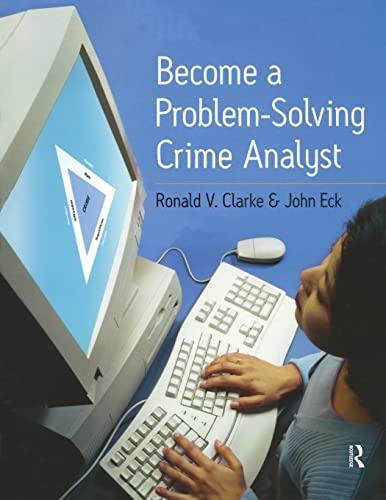
This book provides practical strategies and analytical techniques for crime analysts to identify patterns, solve crimes, and support law enforcement decision-making.


Mark Fiebert is a former finance executive who hired and managed dozens of professionals during his 30-plus-year career. He now shares expert job search, resume, and career advice on CareerAlley.com.
Discover more from CareerAlley
Subscribe to get the latest posts sent to your email.

