We may earn a commission if you click on a product link and make a purchase at no additional cost to you. For more information, please see our disclosure policy.
Last updated: January 17, 2026
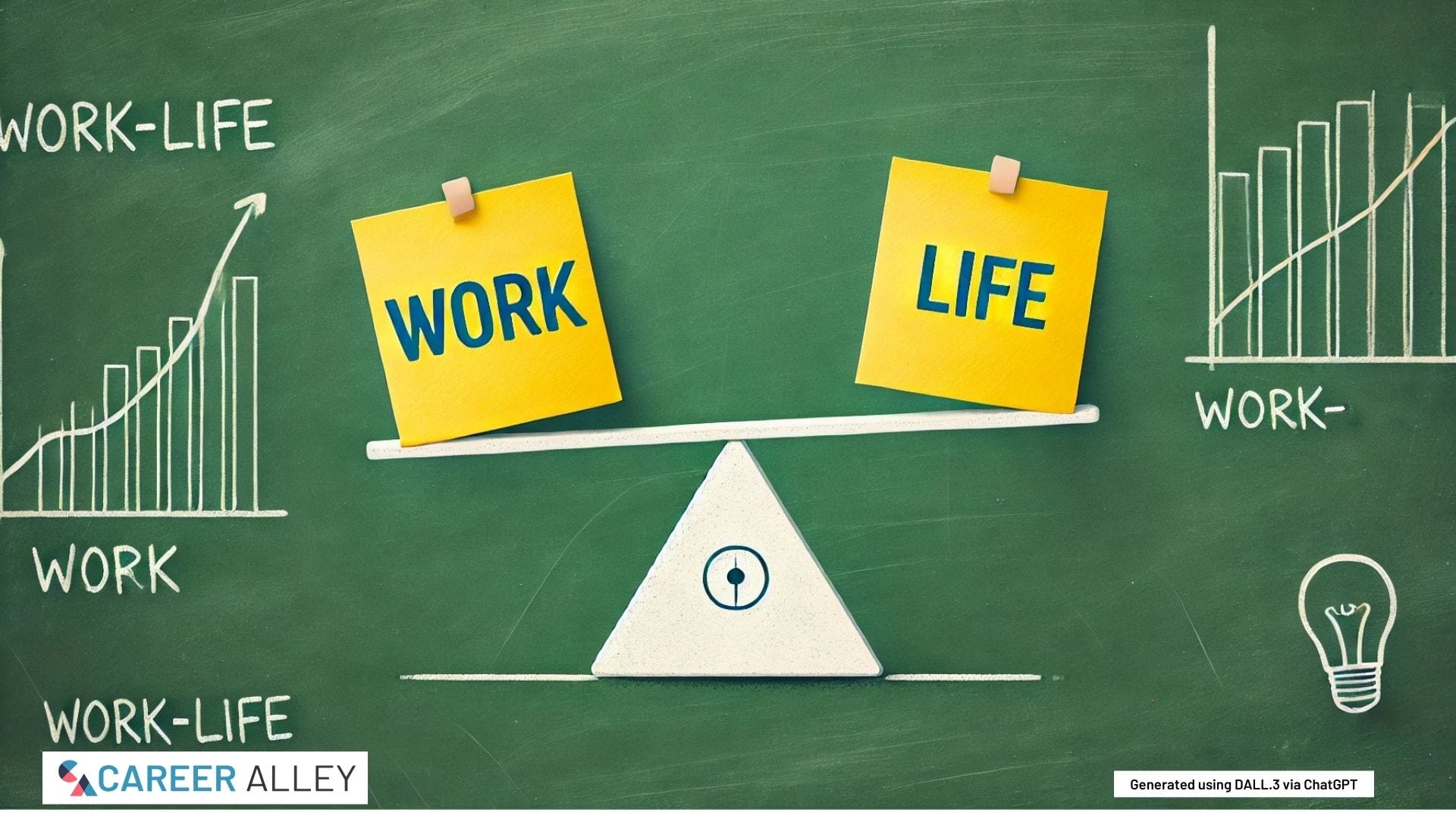
Key Takeaways
- Employee Advantage: Employees often achieve better work-life balance through flexibility, but showing
productivity gains helps employers see balance as a business benefit. - Leadership Challenge: Business owners must actively design a balance for themselves since responsibilities continue even during time off or vacations.
- Intentional Boundaries: Defining non-negotiables and protecting personal time improves decision-making, reduces resentment, and sets a sustainable example for teams.
- Focus on Essentials: Leaders should concentrate on high-value boss jobs and delegate supporting tasks to avoid burnout and costly mistakes.
- System Driven Balance: Strong delegation, structured schedules, and energy awareness allow work to continue smoothly without constant leader involvement.
Striking a balance between work and life is much simpler when you’re an employee. Okay, you don’t have the power to make decisions, but you can show your boss why it’s in their best interest. For instance, people with flexible working hours are more productive, as are people who work from home.
When you’re in charge, it’s down to you to find ways to have a healthier balance between work and life without harming your bottom line. This is challenging because nobody will fill in for you while you’re on vacation.
Still, it’s not impossible, not if you follow the advice underneath.

The research upon which this book is based shows overwhelmingly that people want satisfaction much more than they want balance.

Mastering Work-Life Balance
- Identify your priorities and set boundaries
- Learn to delegate effectively to your
team - Create a schedule and stick to it
- Take regular breaks and vacations
- Incorporate healthy habits into your daily routine
- Build a support network of colleagues, friends, and family
- Seek help when needed and don’t be afraid to say “no”
- Foster a positive work culture that values work-life balance
Work Away From The Business
Working in a coffee shop or outside of your home won’t automatically make you spend fewer hours in the office. However, it will give you a better appreciation of your home and family. This is because your environment can become stale when you spend every waking second in it. As a result, a coffee shop is an ideal place to get away from home or the workplace while remaining productive. When you’re more motivated, you’ll be passionate about other things, such as going out for a drink or a meal or exercising.

Explore Career.io, the only Al and human-powered platform where you can find everything you need. For any step of your job search or career growth. All in one place.
Evaluate What Saps Your Energy
Although some people like to think it, merely working alone won’t sap your energy. Sure, there’ll be periods when you’re tired, yet that’s due to poor sleep. However, some aspects of your job will sap your passion and motivation; the trick is to identify them so you can avoid them. For instance, it might be a high-profile client. You can’t avoid them, not if they specifically want to talk to you, but you can structure your day differently. Prioritizing small tasks should prevent your
Focus On Boss Jobs
Trying to complete every task isn’t going to work out well for you in the long run. If you’re lucky, you’ll be burned out. If you’re unlucky, you’ll make a fatal mistake due to your lack of knowledge and expertise. You’re a leader, which means you must concentrate on the most essential jobs. You wouldn’t expect a realtor to send their assistant to close a deal. You would expect an assistant to handle paperwork and research to help the realtor find more qualified clients faster. The same applies to you. You’re the seller who can close the deal, so you should outsource tasks to make this happen.

Getting the advantage in today's job market is tough, so making yourself stand out in the job marketplace is more important than ever. From writing a good resume and locating the best search engines to what to do when you get an interview.
Don’t Muddy The Waters
Your personal time is sacred, and you should treat it as such. You would be annoyed if a client contacted you on your vacation, so the same should apply to checking emails at home. The fact that your device is always connected to the internet makes it more challenging, but it’s possible by setting screen time boundaries or using a work phone separate from your personal device. Speaking of clients, please make sure to let them know when you have time off so they don’t nag you unnecessarily.
Achieving a work-life balance as a boss is crucial for both personal well-being and professional success. By implementing the essential steps outlined in this article, you can effectively manage your time, delegate tasks, and cultivate a positive work culture that supports your goals and values. With commitment and practice, you can master work-life balance as a boss and enjoy a more fulfilling and productive career.
Define the Non Negotiables
Leading a business makes “balance” feel like a luxury, but it starts with deciding what you will protect, no matter how busy things get. Pick the personal commitments that matter most, then translate them into boundaries your

The book uncovers the impact of confidence in seven critical dimensions of a leader's life including leadership, passion, connecting, change, advancement, relationships, and control.
Build a System That Runs Without You
Work life balance gets easier when you stop being the default solution for every problem. That means tightening delegation, clarifying ownership, and designing workflows that do not stall when you are unavailable. Start by identifying what drains your energy, then restructure your day so the most demanding conversations do not crush everything else. The goal is to protect your attention for “boss jobs” while creating a reliable operating rhythm for everyone around you. Here are practical moves that make that shift real:
- Delegate Outcomes: Assign a clear owner and success metric for recurring tasks so decisions do not bounce back to you by default.
- Protect Deep Work: Group
meetings into defined windows and reserve uninterrupted blocks for the work only you can do. - Energy Audit: Track which clients, tasks, or
meetings drain you, then adjust sequencing to avoidproductivity dips around them. - Weekly Planning: Use Google Calendar to time block priorities, buffer transitions, and keep personal commitments visible and non negotiable.
Change the Environment to Change the Habit
Sometimes the fastest way to reset your work patterns is to change where you work, not just what you work on. A coffee shop, library, or coworking space will not magically shorten your hours, but it can refresh motivation and help you separate “work mode” from home life. Pair that with clear communication about when you are offline, and you reduce the temptation to check messages constantly. If you want a clean break, consider separating devices or turning off non essential notifications so your downtime is actually restorative, not just a different kind of work.

Michael Hyatt and Megan Hyatt Miller know we can do better because he's seen it in his more than four decades as a successful executive and a loving and present husband and father.
Further Guidance & Tools
- Delegation Basics: Use HBS Online’s delegation tips to assign outcomes clearly, build trust, and keep
leadership attention on high-impact work. - Time Blocking: Use Asana’s time blocking guide to structure your day, batch similar tasks, and protect focus time from constant interruptions.
- Priority Framework: Use MindTools’ Eisenhower Principle to separate urgent noise from important work and make smarter tradeoffs.
- Digital Boundaries: Use WIRED’s boundary tactics to reduce after-hours bleed by controlling notifications, apps, and device habits.
- Vacation Culture: Use SHRM guidance on time off to reinforce rest as a performance tool and reduce burnout across your
team .
Next Steps
- Nonnegotiables: Define what personal time you will protect, then communicate boundaries clearly to clients and your
team . - Delegate Ownership: Assign a single owner for recurring work, clarify success criteria, and step back from daily execution decisions.
- Energy Audit: Identify
meetings or clients that drain you, then schedule recovery buffers and lighter tasks around them. - Boss Jobs: List the few responsibilities only you can do well, and outsource or automate the rest where possible.
- Work Location: Rotate environments occasionally to refresh focus, reduce monotony, and create a clearer mental divide from home life.

Rooted firmly in social science research, Pfeffer’s 7 rules provide a manual for increasing your ability to get things done, including increasing the positive effects of your job performance.
Final Words
Work life balance as a boss is less about working fewer hours and more about building a system that protects your attention, energy, and personal time. When you set clear boundaries, delegate outcomes, and focus on the work only you can do, the business becomes more resilient. That shift benefits your health, your

Mark Fiebert is a former finance executive who hired and managed dozens of professionals during his 30-plus-year career. He now shares expert job search, resume, and career advice on CareerAlley.com.