- Key Takeaways
- Why These Qualities Matter
- Technology Savvy Agents
- Initiative & Work Ethic
- Market Knowledge & Research
- Strong Communication Skills
- Networking & Relationship Building
- Adapting to PropTech Trends
- Building Real Estate Credibility
- Using Technology To Stand Out
- Nurturing Long-Term Relationships
- Further Guidance & Tools
- Next Steps
- Final Words
We may earn a commission if you click on a product link and make a purchase at no additional cost to you. For more information, please see our disclosure policy.
Last updated: December 10, 2025

Key Takeaways
- Digital tools matter: Real-estate agents with tech fluency—social media, CRM, virtual tours—stand out and serve clients more efficiently than those relying solely on traditional methods.
- Initiative wins: Proactive behavior, good hustle, and diligent follow-through turn independent agents into trusted professionals who can build steady referral streams.
- Local knowledge counts: Familiarity with neighborhoods, market trends, school zones, and local design preferences helps you advise clients effectively and gain their trust.
- Communication is key: Listening carefully and clearly explaining property pros and cons helps clients feel respected and fosters long-term relationships beyond a single transaction.
- Relationships drive referrals: Building a strong network with other agents, inspectors, and clients ensures repeat business and expands your reach across different market segments.
Why These Qualities Matter
Real-estate transactions involve many parties—sellers, buyers, lenders, inspectors, and brokers. The agent’s role is not simply to sell a property but to act as a coordinator who ensures the process is smooth, transparent, and trustworthy. Beyond showing homes, a successful agent blends sales, strategy, empathy, and operational know-how.
Today’s real estate environment is more complex and competitive than ever. With increased access to property data and shifting buyer expectations, agents who combine technical savvy with interpersonal finesse earn more trust and deliver better results.
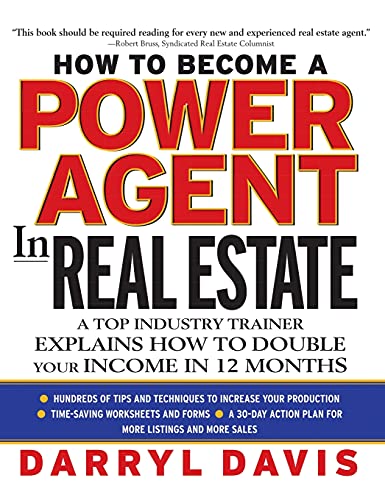
How to Become a Power Agent in Real Estate gives real estate agents both the powerful sales techniques and the practical management tips they need to double their income by closing more transactions.

Technology Savvy Agents
Modern real estate relies heavily on digital tools—and agents who embrace them gain a competitive edge. From listing management platforms and virtual tours to CRM systems and analytics, technology streamlines repetitive tasks and opens new opportunities. According to recent industry insight, agents now leverage technology to streamline processes, reach clients in new ways, and bring listings to life without losing sight of human connection.
Virtual showings, online marketing campaigns, and digital document tools reduce friction and broaden reach. Agents who know how to use these tools—while still delivering personal service—adapt more easily to market shifts and client needs.
Initiative & Work Ethic
Real-estate agents usually operate as independent contractors—even when affiliated with a brokerage—so self-motivation, consistency, and discipline are essential. Success comes from showing up, following leads promptly, and treating each task like a mini business.
A strong work ethic means not just working long hours but working smart: keeping a tight schedule, managing time wisely, and following through with clients, even when deals stall or challenges arise. That consistent effort builds reputation and trust, forming the foundation for long-term success.
Jim has helped hundreds of new, and experienced, real estate agents reach their career goals, using easy, but powerful, selling strategies and techniques. You will learn from realistic case stories how superstar agents break away from being ordinary, and rise to extraordinary.

Market Knowledge & Research
Clients expect agents to provide accurate, up-to-date insights into neighborhoods, local market trends, zoning, and design styles. Agents who dig into recent sales data, school districts, community plans, and property history prove their value beyond showing a house.
Adding knowledge of architectural styles or interior design trends helps agents advise clients intelligently, whether they’re buying or preparing to stage and sell a property. This combination of market insight and structural awareness strengthens client confidence in your guidance.
Strong Communication Skills
Effective communication means both clear explanation and attentive listening. You must translate complex real-estate terms, market data, and contract details into a language clients understand. That clarity reduces stress and builds trust.
Equally important is empathy and active listening: understanding your client’s needs, fears, and goals. When you genuinely reflect their concerns and adapt your approach accordingly, clients feel heard—and are more likely to stay long-term or refer others to you.
Becoming a Real Estate Appraiser is a rewarding career once you join the trade. Its not difficult to become an appraiser once you know the process.

Networking & Relationship Building
Real estate seldom happens in isolation. Great agents maintain relationships not only with clients but also with other agents, brokers, inspectors, lenders, and allied professionals. A broad network increases your deal flow and credibility.
Good relationships encourage referrals and repeat business. Treating each interaction with professionalism, respect, and integrity builds a reputation that extends beyond a single sale. Over time, that network becomes one of your most valuable assets.
Adapting to PropTech Trends
The real estate industry is rapidly embracing property technology (PropTech), with digital platforms, AI data tools, and virtual services transforming how agents operate. From predictive analytics and valuation tools to virtual tours and smart marketing—agents who stay up-to-date earn a clear competitive edge.
Integrating these tools doesn’t replace interpersonal skills—it amplifies them. Tech-savvy agents can offer faster, more transparent service while still providing the human touch clients need. That combination builds long-term trust and resilient businesses.
It's time to stop just thinking, talking, or dreaming about the future that real estate investing can give you. It's time to start doing. This book will show you exactly where to start!

Building Real Estate Credibility
Long-term success as a real estate agent depends on more than sharp sales instincts; it requires precise positioning as a trusted expert in your local market. That means understanding regulations, contracts, neighborhood dynamics, and pricing trends well enough to explain them clearly to every client. As you deepen your knowledge and document it through helpful content, your reputation grows beyond individual transactions into a recognizable professional brand supported by consistent, reliable communication and results.
Using Technology To Stand Out
Modern real estate clients expect quick responses, polished marketing, and up to date information at every stage of the buying or selling journey. To meet those expectations, you need a simple tech stack that supports scheduling, follow ups, digital document management, and compelling listing presentations. When you intentionally choose a few tools and master them instead of chasing every new app, you create smoother experiences that feel professional rather than improvised and free up more time for high-value client work.
- Client CRM: Use a basic customer relationship manager to track inquiries, follow-ups, and key milestones so no serious lead or deadline ever slips through the cracks.
- Listing Media: Invest in high-quality photos, video walkthroughs, and floor plans that help buyers quickly understand layout, features, and potential before they ever step inside.
- Social Media Plan: Follow this practical how-to guide on real estate social media marketing to design consistent, client-focused posts that showcase local expertise.
- Digital Documents: Adopt secure e-signature and document storage tools so clients can review, sign, and retrieve necessary paperwork without chasing scattered
email attachments.
Stop using slow, cluttered CRMs
Close is the easy-to-use CRM built for how small businesses sell: fast, automated, and focused on customer relationships.

Nurturing Long-Term Relationships
Top performing agents rarely rely on cold leads alone; they build a flywheel of repeat clients and referrals by treating each transaction as the beginning of a long relationship. That starts with listening carefully to motivations, constraints, and fears, then tailoring your communication style to match each client’s personality. After closing, simple check-ins, market updates, and genuine interest in life milestones keep your name top of mind. Over time, this relationship-focused approach compounds into a predictable, referral-rich business.
Further Guidance & Tools
To grow beyond the basics, these external resources can help you sharpen your skills, plan your business, and stay informed on industry trends.
- Real-estate Skills Guide: Use The Close for a detailed breakdown of core and advanced traits top agents exhibit.
- PropTech Overview: Explore PwC’s PropTech report to understand emerging technologies reshaping real estate workflow and client experience.
- Marketing Tips: Read recent digital marketing trends to learn how agents use social media, virtual tours and online ads effectively.
- Agent Standards: Review NAR’s skills guidelines to benchmark your professionalism, ethics, and client solutions approach.
- Career Planning: Use SCORE’s business plan template to structure goals, marketing efforts, and long-term revenue strategies for a sustainable real-estate career.
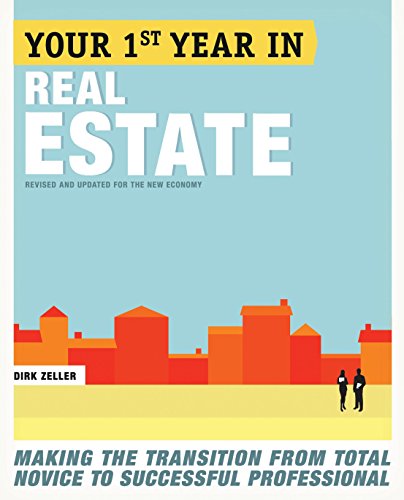
Dirk Zeller shares key strategies for new agents, covering company selection, networking, online marketing, and goal setting for real estate success.
Next Steps
- List five technology tools or platforms you could learn or adopt this month that would improve your real-estate business workflow.
- Reach out to two past or current clients and request feedback on your communication and service style to refine your approach.
- Research three comparable properties in your target area, analyze pricing differences, and note what local factors influence value the most.
- Expand your professional network by attending one industry networking event or online real-estate forum this quarter.
- Create a personal branding plan, including social media presence and online listings strategy, to reflect your professional traits and values.
Final Words
Being a top-tier real estate agent means more than pushing listings—it means blending technology, local knowledge, communication, and relationships to serve clients with insight and integrity. By developing these core qualities and adapting to emerging tools, you can stay competitive, build lasting trust, and deliver value that goes beyond the sale. Success in this business comes from a balance of skill, empathy, and adaptability that consistently meets evolving client expectations.
If however you aren't sitting on a pile of cash, you have no choice but to hit the ground running the minute you are licensed. This short and simple guide will teach you how. Right now, with Before You Are Licensed


Mark Fiebert is a former finance executive who hired and managed dozens of professionals during his 30-plus-year career. He now shares expert job search, resume, and career advice on CareerAlley.com.