- Key Takeaways
- When Workplace Mistreatment Changes How You See Yourself
- Recognize What You Are Dealing With
- Document Before You Escalate
- Use Support Without Losing Strategy
- Do Not Accept Blame That Does Not Belong To You
- Respond Professionally, Not Passively
- Decide Whether Staying Still Serves You
- Rebuild Confidence After The Situation Ends
- Further Guidance & Tools
- Next Steps
- Final Words
We may earn a commission if you click on a product link and make a purchase at no additional cost to you. For more information, please see our disclosure policy.
Last updated: May 11, 2026

By Mark Fiebert
Key Takeaways
- Name The Problem: Mistreatment at work can include harassment, discrimination, bullying, retaliation, exclusion, or unfair treatment that damages your confidence.
- Document Carefully: Keep dates, messages, witnesses, meeting notes, performance records, and policy references before deciding how to respond.
- Protect Yourself: Learn your rights, follow internal reporting procedures when appropriate, and avoid emotional reactions that weaken your position.
- Rebuild Confidence: Recovery takes support, self-care, skill reinforcement, and reminders that mistreatment does not define your professional worth.
- Plan Forward: You may stay, escalate, transfer, or leave, but your next move should be strategic instead of reactive.
When Workplace Mistreatment Changes How You See Yourself
Being mistreated at work can shake your confidence, judgment, and sense of safety. Sometimes the behavior is obvious, such as harassment, insults, retaliation, or open exclusion from opportunities. Other times it is harder to name. You may notice repeated comments, sudden changes in assignments, being left out of meetings, or a pattern of decisions that seems unrelated to your performance.
The first step is separating what happened from who you are professionally. Mistreatment can affect your mood, energy, reputation, and career decisions, but it is not proof that you lack value. The goal is to regain control, understand your options, protect your record, and decide what kind of workplace deserves your effort.
Recognize What You Are Dealing With
Not every workplace conflict is illegal, but some conduct crosses serious lines. Harassment, discrimination, retaliation, and hostile treatment tied to protected characteristics may involve legal rights and formal complaint options. Start by learning the basics of workplace laws, your employee handbook, and your company’s reporting process.
Be careful not to minimize what is happening simply because it is subtle. Repeated exclusion, mocking comments, unequal discipline, ignored complaints, schedule manipulation, or being punished after raising a concern can still matter. If you believe the behavior involves discrimination or harassment, resources explaining the Equal Employment Opportunity Commission can help you understand common definitions and complaint pathways.
Document Before You Escalate
Documentation gives you clarity before emotion takes over. Write down what happened, when it happened, who was involved, who witnessed it, and how it affected your work. Save emails, messages, performance reviews, schedules, assignments, and meeting notes when you are allowed to keep them. Use a personal device or personal account only for your own notes, and avoid taking confidential company information.
A simple documentation file should include:
- dates, times, locations, and names of people involved
- exact words or actions when you can remember them accurately
- screenshots or copies of relevant messages, if company policy allows it
- changes in assignments, hours, evaluations, pay, or responsibilities
- names of witnesses or people you told shortly after the incident
Use Support Without Losing Strategy
Support matters, but choose it wisely. Trusted friends, family, mentors, counselors, employee assistance programs, and select colleagues can help you process what happened. HR may also be appropriate, especially when your company has a clear policy and reporting process. Still, treat workplace conversations carefully. Oversharing with coworkers can feed gossip, distort the facts, or make you feel even less in control.
Support should help you think clearly, not push you into a rushed decision. Before reporting, resigning, confronting someone, or posting online, slow down and ask what outcome you want. Do you want the behavior stopped, a transfer, an investigation, a written record, legal advice, or an exit plan? Your answer affects what you do next.
Do Not Accept Blame That Does Not Belong To You
People who are mistreated at work often replay every interaction and wonder what they could have done differently. Self-reflection is useful, but self-blame is not. You can learn from the situation without accepting responsibility for someone else’s harassment, discrimination, bullying, or abuse of authority.
This is especially important when the mistreatment affects your confidence in your skills. Review your accomplishments, saved praise, metrics, projects, certifications, and positive feedback. A bad environment can make capable people doubt themselves. Reconnect with evidence of your competence before deciding what your career means now.
Respond Professionally, Not Passively
Being professional does not mean staying silent forever. It means choosing a response that protects your credibility and options. If the issue is minor and safe to address directly, a calm, specific conversation may help. If the conduct is serious, repeated, discriminatory, threatening, or retaliatory, use formal reporting channels or seek outside guidance before confronting the person involved.
When you report internally, stick to facts. Describe the behavior, dates, witnesses, policy concerns, and impact on your work. Avoid insults, assumptions about motives, or broad statements you cannot support. If the situation involves unfair treatment, your strongest position comes from being organized, specific, and consistent.
Decide Whether Staying Still Serves You
You do not have to leave a job because someone mistreated you. The responsibility belongs with the person or system causing the harm. But staying is not always the healthiest or smartest career move. If leadership ignores complaints, retaliation begins, your health suffers, or your growth stalls, a fresh start may be a strategic move rather than a retreat.
Before leaving, consider your timing. Update
Rebuild Confidence After The Situation Ends
Even after the behavior stops or you leave the workplace, recovery may take time. You may feel guarded in meetings, suspicious of feedback, or anxious about trusting a new manager. That is normal. Give yourself time to rebuild a sense of safety while also returning to routines that remind you of your strengths.
Look for practical positives without pretending the experience was good. Maybe you learned earlier how to document problems, evaluate workplace culture, set boundaries, read policies, or recognize red flags. Those lessons can make you more selective and stronger in your next role, but they do not require you to excuse what happened.
Job search essentials curated to help you prepare, stay organized, improve your resume, and approach interviews with more confidence.


Further Guidance & Tools
- Harassment Basics: Use the EEOC harassment guidance to understand how federal law describes unlawful workplace harassment.
- Reporting Steps: Review USA.gov discrimination reporting guidance for a plain-language overview of complaint options and timing.
- Workplace Rights: Check the Department of Labor complaint resources when wage, leave, or labor-standard issues are part of the problem.
- Mental Health: Explore the American Psychological Association work stress resources for guidance on stress, recovery, and workplace well-being.
- HR Perspective: Read SHRM employee relations resources to better understand how workplace issues are often handled internally.
Next Steps
- Write Facts: Create a private incident log with dates, witnesses, messages, policy references, and work-related consequences.
- Review Policy: Read your handbook, reporting procedure, anti-harassment policy, and any deadline requirements before taking formal action.
- Seek Support: Talk with a trusted adviser, counselor, mentor, or attorney before making a high-stakes decision.
- Protect Work: Save performance reviews, project results, praise, and non-confidential work evidence that reinforces your professional record.
- Plan Options: Decide whether to report, transfer, stay with boundaries, or begin a confidential
job search .
Explore CareerAlley’s curated Amazon picks for job search tools, resume help, interview prep, work essentials, and smart career-building resources.

Final Words
Bouncing back after workplace mistreatment is not about pretending it was harmless or rushing yourself back to normal. It is about naming what happened, protecting your record, getting support, and making your next decision from a position of strength. Whether you stay, report, transfer, or leave, your career should not be defined by someone else’s behavior. With documentation, perspective, and a practical plan, you can recover your confidence and move toward a healthier professional future.
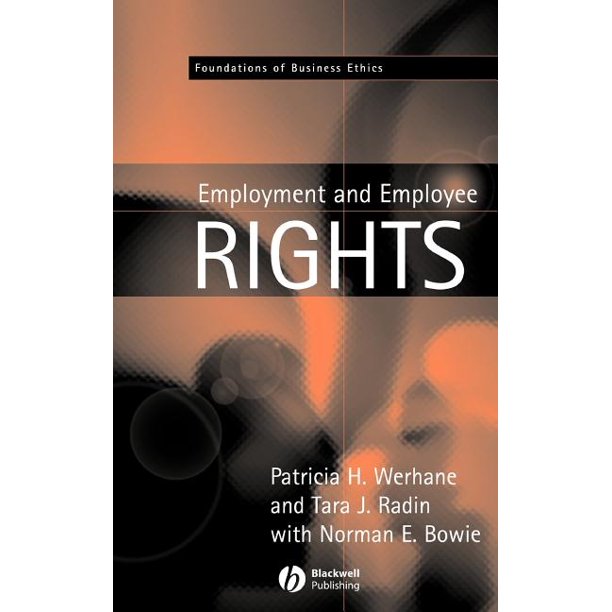
This must-read book offers a clear and practical examination of workplace ethics, empowering readers to understand and navigate complex issues around employee rights, fairness, and employer accountability.





Joey Trebif is the pen name of Mark Fiebert, a former finance executive who hired and managed dozens of professionals during his 30-plus-year career. He now shares expert job search, resume, and career advice on CareerAlley.com.