We may earn a commission if you click on a product link and make a purchase at no additional cost to you. For more information, please see our disclosure policy.
Last updated: February 21, 2026
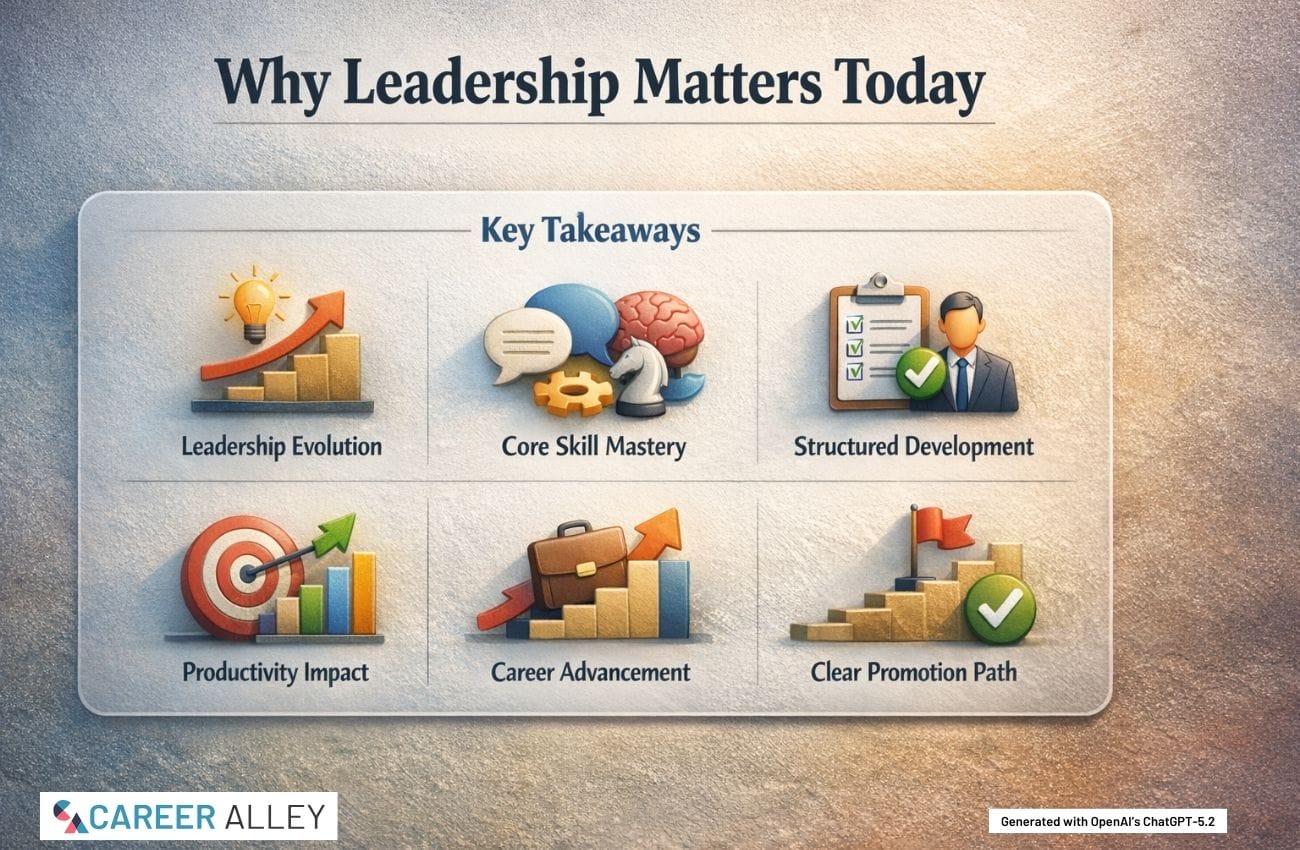
Key Takeaways
- Leadership Evolution: Leadership skills evolve alongside your career, requiring continuous learning, adaptability, and self-awareness to remain effective in changing workplace environments.
- Core Skill Mastery: Communication, emotional intelligence, decision-making, and strategic thinking form the foundation of high-impact leadership in modern organizations.
- Structured Development: Formal leadership development programs provide mentorship, feedback, and measurable growth pathways that accelerate career advancement.
- Productivity Impact: Strong leaders directly improve team collaboration, performance outcomes, and overall organizational productivity through clarity and accountability.
- Career Advancement: Clear promotion frameworks and company-specific skill development create transparency and motivate long-term professional growth.
Why Leadership Matters Today
Leadership within a career evolves just as the career itself does. In today’s fast-changing work environment—shaped by hybrid work models, digital collaboration, and rapid technological advancement—strong leadership skills are more essential than ever. Effective leaders cultivate positive cultures, manage complexity, and align individual contributions with organizational goals.
Leadership development is a continuous process that enhances the abilities of individuals, groups, and organizations in their leadership roles. It goes beyond authority or job titles—it strengthens collaboration, improves decision-making, and increases overall productivity and engagement across the team.

If you own a start-up or small/medium business, this book is the only ‘play-book’ you will need. A first-time manager has very unique requirements. This book can be your guide to success. Learn what it takes for you to climb the corporate ladder. If you are a mid-level executive, this book can be your mentor and advisor.

Core Leadership Skills
Modern leaders must master a blend of interpersonal, analytical, and strategic competencies. These skills determine whether a leader simply manages tasks or truly inspires performance and innovation.
- Effective Communication: Clear communication ensures expectations are understood, feedback is constructive, and ideas are translated into measurable results.
- Conflict Resolution: Leaders who navigate disagreements constructively create environments that foster productivity and trust.
- Emotional Intelligence: Understanding and managing emotions strengthens relationships and supports psychological safety within your team.
- Strategic Thinking: Anticipating challenges and planning proactively enables leaders to align resources with long-term objectives.
- Decision-Making: Effective leaders assess risk, evaluate data, and act decisively while remaining accountable.
- Adaptability: Change is constant; leaders who adjust quickly maintain stability and guide others confidently.
- Networking Skills: Building strong professional relationships expands opportunity and strengthens influence across industries.
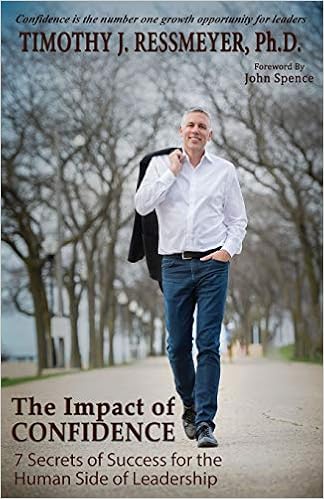
The book uncovers the impact of confidence in seven critical dimensions of a leader's life including leadership, passion, connecting, change, advancement, relationships, and control.
Leadership Development Programs
A structured leadership program helps identify strengths, uncover gaps, and provide clear development pathways. Programs that combine mentorship, practical experience, and formal training accelerate skill growth while offering measurable benchmarks for improvement.
Resources such as leadership development literature and executive coaching programs reinforce confidence, accountability, and resilience. These initiatives strengthen leadership skills while aligning individual growth with organizational priorities.
Driving Team Productivity
Effective leaders create clarity around expectations and outcomes. Promoting collaboration requires reinforcing the value each member brings to the organization and connecting their contributions to larger objectives.
Tools such as productivity solutions and proven frameworks like team collaboration strategies and productivity systems help maintain focus and accountability. When leaders provide structure and recognition, performance improves naturally.
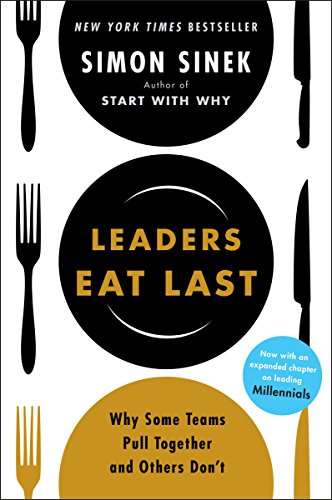
In his work with organizations around the world, Simon Sinek noticed that some teams trust each other so deeply that they would literally put their lives on the line for each other. Other teams, no matter what incentives are offered, are doomed to infighting, fragmentation and failure.
Motivation and Advancement
Career growth thrives on purpose, feedback, and structured opportunity. Leadership development equips professionals with the confidence and skills required for promotion while reinforcing engagement and job satisfaction.
Clear expectations and constructive evaluation—such as insights shared through constructive feedback—reinforce value and performance. Transparent criteria for advancement, including defined milestones and referral processes for the next step in your career, remove ambiguity and motivate sustained excellence.
Company-Specific Growth
While transferable skills are valuable, effective leadership requires alignment with company culture, objectives, and operational models. Development programs tailor skills to organizational strategy and performance metrics.
Understanding internal processes, communication channels, and decision hierarchies ensures leaders apply their strengths effectively. This structured alignment reinforces the organization’s broader framework and enhances overall performance.

Slim Portfolio Folio Organizer Holder for Letter Legal A4 Note Pads Notebooks for Men Women Refillable Business Leather Portfolio Binder, Dark...
Further Guidance & Tools
- Leadership Research: Explore Harvard Business Review for evidence-based leadership insights and emerging workplace trends.
- Emotional Intelligence: Use MindMap to strengthen emotional intelligence and interpersonal leadership skills.
- Management Training: Visit SHRM for guidance on leadership development and workforce advancement strategies.
- Communication Skills: Review Toastmasters resources to enhance public speaking and executive communication abilities.
- Strategic Planning: Learn from McKinsey Insights about organizational performance and leadership strategy.
Next Steps
- Assess Skills: Conduct a candid self-evaluation of your current leadership strengths and identify two development priorities.
- Seek Mentorship: Connect with a senior leader who can provide structured feedback and guidance on advancement opportunities.
- Strengthen Communication: Practice delivering concise updates and actionable feedback in meetings to build clarity and confidence.
- Align Goals: Review your company’s strategic objectives and map your responsibilities to measurable business outcomes.
- Expand Network: Build meaningful professional relationships within and outside your organization to increase influence and opportunity.
Final Words
Leadership development is not a one-time milestone but a continuous investment in growth, performance, and influence. By strengthening core skills, embracing structured learning, and aligning your development with organizational strategy, you position yourself for lasting impact. Strong leaders elevate teams, improve outcomes, and create meaningful career advancement through consistent effort and purposeful action.

Leadership Step by Step walks readers through what to do and how to do it in an integrated and comprehensive progression of exercises designed to cultivate key abilities, behaviors, and beliefs through experience. The 22 exercises in this hands-on book help you accomplish the inner work and gain the social skills required for great leadership.

Mark Fiebert is a former finance executive who hired and managed dozens of professionals during his 30-plus-year career. He now shares expert job search, resume, and career advice on CareerAlley.com.