- Key Takeaways
- eCommerce Career Opportunity
- Modern Infrastructure Needs
- Choosing the Right Market
- Validating Demand Early
- Building a Business
Plan - Developing Your Store
- Choosing a Domain
- Selecting a Platform
- Design and Integration
- Mobile First Approach
- Launching and Marketing
- Further Guidance & Tools
- Next Steps
- Final Words
We may earn a commission if you click on a product link and make a purchase at no additional cost to you. For more information, please see our disclosure policy.
Last updated: January 4, 2026

Key Takeaways
- eCommerce as a Path: Launching an eCommerce business can be a viable career move or side venture when approached strategically, with realistic expectations about effort, costs, and competition.
- Market Validation: Successful eCommerce businesses start with demand validation, niche clarity, and
customer insight before investing heavily in platforms, branding, or inventory. - Planning Matters: A detailed business plan helps align financial capacity, operations, and growth goals while reducing avoidable risks common to first-time online business owners.
- Platform Decisions: Choosing the right eCommerce platform depends on business scale, technical comfort, and long-term flexibility rather than popularity alone.
- Execution Over
Ideas : Sustainable results come from disciplined execution, continuous testing, and adaptation rather than relying solely on productideas or technology.
eCommerce Career Opportunity
Technological innovation has transformed eCommerce into one of the most accessible ways to start a business today. Selling goods and services through online stores no longer requires deep technical expertise or large upfront investments, which has opened doors for career changers, freelancers, and aspiring entrepreneurs. For many, eCommerce represents not just a business model, but a potential long-term
However, accessibility does not guarantee success. While more people can launch online stores than ever before, competition is intense and margins can be thin. Approaching eCommerce as a serious business, rather than a quick win, is essential for anyone considering it as part of their professional future.

Jay Levinson’s Guerrilla Marketing equips small-business owners with innovative, low-cost strategies, updated tools, and practical insights to win clients and achieve sustainable growth.

Modern Infrastructure Needs
Today’s eCommerce infrastructure is far less about physical workstations and more about cloud-based tools and reliability. A modern online business relies on stable internet access, secure
That said, basic operational reliability still matters. Consistent connectivity, secure systems, and a distraction-free workspace remain foundational. If connectivity is a concern, reviewing options can help ensure your setup supports daily operations without interruption.
Choosing the Right Market
Market selection is one of the most critical decisions in launching an eCommerce business. Rather than starting with products, successful founders often begin by identifying underserved
For example, many businesses have found opportunity in specialized B2B segments. Industries that have been slower to adopt online
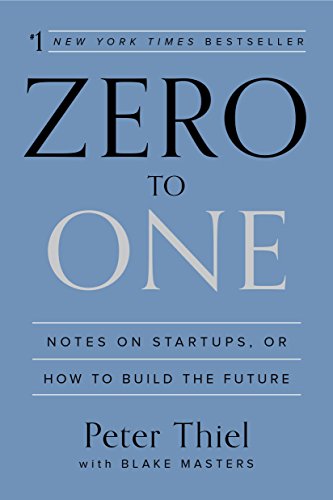
The great secret of our time is that there are still uncharted frontiers to explore and new inventions to create. In Zero to One, legendary entrepreneur and investor Peter Thiel shows how we can find singular ways to create those new things.
Validating Demand Early
Before committing resources, it is essential to validate that real demand exists. This involves researching
Exploring models such as print on demand can reduce upfront risk. Services like URL demonstrate how entrepreneurs can test product
Building a Business Plan
Once a viable market is identified, developing a structured business
Operational considerations, such as how you will manage your inventory, process returns, and handle

A Pro Shares a Step-by-Step Guide to Creating a Plan that Gets Results by Hal Shelton will open your eyes to insider tips, hints, and techniques for creating a winning business plan.
Developing Your Store
With a solid business plan in place, attention shifts to store development. This stage involves translating strategy into a functional online experience that supports
Depending on your goals and resources, you may choose custom development or a turnkey option. Resources that compare turnkey solutions can help clarify tradeoffs between speed, cost, and flexibility.
Choosing a Domain
Your domain name serves as your digital storefront and brand identifier. Selecting a domain that is clear, memorable, and aligned with your offering helps build trust and improve discoverability. Securing it early also protects your brand identity.
Avoid names that closely resemble competitors or rely on obscure spelling. A strong domain supports marketing efforts and reinforces professionalism from the first

Fast, reliable hosting shouldn't be expensive.
Everything you need for success!
Selecting a Platform
The platform you choose will shape daily operations and future growth. For smaller businesses or solo founders, hosted solutions like Shopify offer ease of use and speed to launch. Larger or more complex operations may benefit from self-hosted options such as WooCommerce, which allow deeper customization.
Rather than choosing based on popularity, evaluate platforms for scalability, integrations, costs, and alignment with your long-term goals.
Design and Integration
Design plays a critical role in usability and conversion. Whether working with experienced developers or using themes, prioritize clarity, speed, and ease of navigation.
Your site should also integrate smoothly with payment processors, analytics tools, and marketing platforms. Solutions like your website framework can support performance and long-term maintainability.

Find new income opportunities, increase clicks, and measure what's making money by managing your links with LASSO.
Mobile First Approach
Mobile commerce now accounts for a significant share of online purchases. Designing for mobile users is no longer optional. A responsive layout, fast load times, and a simplified checkout process improve conversion rates and
Regularly testing the mobile experience helps ensure your store meets
Launching and Marketing
Launching your store marks the beginning, not the end, of the process. Marketing execution is what connects your business to customers. This includes
Building a presence on social platforms and publishing helpful content on

A hands-on guide to implementing winning digital marketing strategies that will lead to skyrocketing sales revenues.
Further Guidance & Tools
- Market Research: Use Think with Google to explore consumer trends and demand signals before committing to a specific product or niche.
- Product Validation: Test demand and pricing using Ahrefs to analyze
search interest and competitive intensity in your target market. - Learning Hub: Build foundational eCommerce
skills through structured programs available on edX. - Mentor Access: Gain practical advice from experienced founders through MentorCruise mentorship connections.
- Customer Insights: Improve user experience and conversion by analyzing behavior with Hotjar.
Next Steps
- Niche Review: Shortlist two potential markets and validate demand using keyword research and
customer discovery within the next two weeks. - Plan Draft: Create a one-page business
plan outlining costs, pricing, and operational assumptions before selecting a platform. - Platform Choice: Compare at least two eCommerce platforms based on scalability, cost, and integration needs.
- Launch Prep: Build a minimum viable store and test checkout, mobile experience, and analytics tracking before public launch.

Discover career-advancing courses and certificates from top universities on edX in business, technology, data science, healthcare, and more—build the skills that open doors to better jobs and bigger opportunities.
Final Words
eCommerce remains a compelling option for those seeking flexibility, independence, and scalable income, but success requires more than enthusiasm. By validating demand, planning carefully, and executing with discipline, aspiring founders can turn an online store into a sustainable business. Approached thoughtfully, eCommerce can support both immediate income goals and long-term

Have you ever dreamt of starting your own business and living life on your terms?
This book shows you EXACTLY what you need to know to stand out from the crowd!

Mark Fiebert is a former finance executive who hired and managed dozens of professionals during his 30-plus-year career. He now shares expert job search, resume, and career advice on CareerAlley.com.