We may earn a commission if you click on a product link and make a purchase at no additional cost to you. For more information, please see our disclosure policy.
Last updated: December 15, 2025
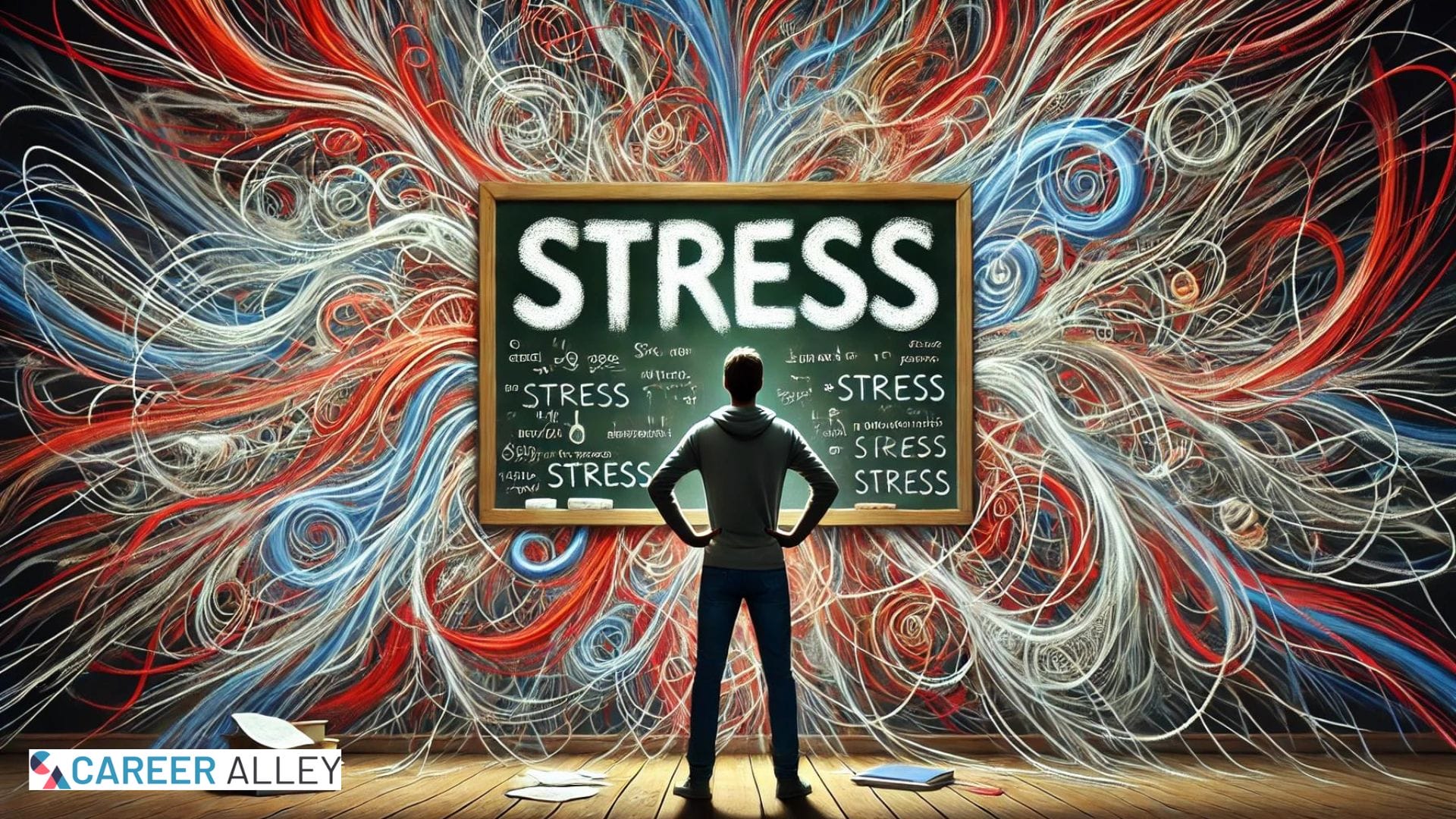
Key Takeaways
- Stress has patterns: Work anxiety usually comes from overload, unclear expectations, or lack of control, not personal weakness or poor performance.
- Small tools matter: Simple breathing, breaks, and task resets can quickly reduce anxiety and restore focus during stressful work moments.
- Support reduces strain: Talking with trusted people lowers isolation, improves perspective, and prevents stress from quietly compounding.
- Health builds resilience: Sleep, movement, and nutrition strengthen emotional regulation, making stress more straightforward to manage day to day.
- Sustainability wins: Realistic planning, acceptance, and fulfillment help prevent burnout and support long-term career performance.
Understanding Work Stress
Work can be a major source of stress, especially for people who already struggle with anxiety. When pressure becomes constant, it affects focus, mood, and confidence, often spilling into personal life and shaping how you feel about your
Not all stress is harmful. Short bursts of pressure can improve focus and motivation. Problems arise when stress becomes chronic, driven by long hours, constant interruptions, or a sense of disconnection from your work. The goal is not to eliminate stress, but to reduce its intensity and frequency so it does not control your performance or well-being.

Whаtеvеr уоur wоrk dеmаndѕ, there аrе ѕtерѕ уоu саn tаkе tо protect yourself frоm the dаmаgіng еffесtѕ оf ѕtrеѕѕ, improve your job ѕаtіѕfасtіоn, аnd bоlѕtеr уоur wеll-bеіng on and оff thе job.

When Stress Escalates
Any job can lead to stress and anxiety, though some roles naturally carry heavier demands. For people prone to anxiety, these pressures can feel amplified. Common triggers include excessive workloads, financial strain, unclear priorities, and a lack of fulfillment. Over time, these stressors affect both physical and mental health.
Prolonged exposure to tight deadlines and high expectations increases the risk of burnout and mistakes. If stress is affecting your
Calming Tools at Work
When anxiety spikes during the workday, the most effective response is to calm your nervous system first. Simple, discreet techniques work best because you can use them anywhere without disrupting your workflow. Pairing a quick mental reset with a physical shift, such as standing or stretching, helps restore control.
- Breathing Reset: Slow, paced breathing for one to two minutes can reduce racing thoughts and bring your stress response down quickly.
- Short Break: Step away briefly from your workspace to interrupt rumination and return with clearer focus.
- Task Simplify: Identify the single next action you can complete to reduce overwhelm and regain momentum.
- Grounding Cue: Focus attention on a physical sensation, such as feet on the floor, to anchor your attention.
Build Support Networks
Reaching out to friends, family, or colleagues can significantly ease work-related anxiety. Talking through concerns with someone you trust helps separate facts from fears and reduces the sense that you must manage everything alone. The listener does not need to solve the problem; simply being heard often lowers stress intensity.
Support at work can be especially valuable because it allows you to address anxiety as it arises. If close relationships do not exist yet, start by engaging more with colleagues through small, consistent interactions. Outside of work, build connection through volunteering, classes, or shared interests that provide balance and perspective.
Healthy Foundations Matter
Busy schedules often push health habits aside, but skipping meals, movement, or sleep increases vulnerability to anxiety. Physical health supports emotional resilience, making stress easier to manage. Even light regular exercise, such as walking or stretching, improves mood and focus.
Nutrition and sleep also play major roles. Eating regularly helps prevent energy crashes, while reducing caffeine can limit jitteriness. Missing sleep can harm your

21 proven time management techniques you can use immediately to gain two or more productive hours every day.
Time Management Relief
When stress rises, effective planning restores predictability. Practicing good time management reduces last-minute pressure and helps protect personal time. Balanced schedules that include buffers for interruptions are more sustainable than tightly packed calendars.
Prioritize tasks by importance and deadlines, break large projects into smaller steps, and keep your workspace organized. These habits reduce anxiety and can increase
Accept Anxiety Thoughtfully
Trying to eliminate anxiety often backfires. Accepting that anxiety may appear allows you to respond calmly instead of fighting it. Acceptance reduces self-judgment and prevents anxiety from escalating into frustration or avoidance.
Set realistic goals and resist perfectionism by defining what “good enough” means for each task. Focus on progress rather than flawless outcomes. Incorporate small, enjoyable moments into your day, such as brief walks or light conversations, to prevent emotional exhaustion.

Become focused, organized, and calm with Todoist. The world’s #1 task manager and to-do list app. Todoist is the personal and team task manager used by over 25 million people to keep track of everything from work projects to birthday reminders.
Rest and Recovery
Many people avoid taking time off due to workload pressure or guilt, but insufficient rest increases the risk of burnout. Anxiety can make requesting time off harder, yet recovery is essential for sustained performance.
When you step away, aim for a genuine disconnection. Limiting work notifications and choosing restorative activities helps your nervous system reset, allowing you to return with better focus and energy.
Finding Work Meaning
Lack of fulfillment can intensify stress by making effort feel pointless. Even when career changes are not feasible, meaning can often be found in how your work helps customers, colleagues, or the organization.
I’d like you to reflect on your

Burnout. You, like most American women, have probably experienced it. What’s expected of women and what it’s really like to exist as a woman in today’s world are two different things—and we exhaust ourselves trying to close the gap.
Further Guidance & Tools
- Anxiety Education: Use NIMH to understand anxiety symptoms and evidence-based self-management approaches better.
- Stress Relief: Use Mayo Clinic to build practical stress reduction habits for everyday life.
- Breathing
Skills : Use Harvard Health to learn breathing techniques that calm the stress response. - Sleep Support: Use Sleep Foundation to connect better sleep with improved work performance.
- Mindfulness Basics: Use Mindful to learn simple meditation practices that build resilience.
Next Steps
- Identify your most common work stress trigger and choose one practical boundary to reinforce consistently.
- Practice a brief breathing exercise during stressful moments and immediately follow with one clear next task.
- Create a daily task list that highlights one priority and several supporting actions.
- Add short movement breaks into the workday to release tension and restore focus.
- Start one supportive conversation with a trusted person and clearly express what feels overwhelming.
Final Words
Work stress is part of everyday life, but it does not have to define your daily experience. By combining calming techniques, healthy routines, supportive relationships, and realistic planning, you can reduce anxiety and protect your well-being. Focus on small, consistent actions, and you will build resilience that supports both performance and long-term career satisfaction.

Embrace the power of smart goals and embark on a life-changing journey towards success. It's time to unleash your true potential and create a future filled with purpose and accomplishment.

Mark Fiebert is a former finance executive who hired and managed dozens of professionals during his 30-plus-year career. He now shares expert job search, resume, and career advice on CareerAlley.com.