We may earn a commission if you click on a product link and make a purchase at no additional cost to you. For more information, please see our disclosure policy.
Last updated: May 15, 2026

Jobs in the healthcare sector have the benefit of being in demand and always necessary. In a world where many of you worry about finding jobs that will eventually be taken by artificial intelligence, certain healthcare jobs will never be at risk. Combine this with the sense of fulfillment a job in healthcare brings, and it’s easy to understand why a lot of people are interested – despite these careers involving a lot of stress.
It’s something you want to learn more about, so let’s break down how to find a career in healthcare:
Healthcare careers can look secure from the outside, but the wrong path can drain you fast. Before you chase a role, test the daily reality, training demands, and job market so your next move is informed. #HealthcareJobsClick To TweetStep 1: Choose A Healthcare Field or Specialty
Healthcare is such a broad industry, meaning you could be a first responder who rides around in an ambulance and attends emergency scenes, or you could be a speech therapist. There are so many different types of jobs available, so the first step is to decide which path you want to go down.
Explore the options based on what means the most to you. Do you like helping people and being put in emergency scenarios? Have you always struggled with a particular aspect of your health and now want to help others with similar issues? Different people suit different roles in this industry, so consider what you’d like to do.
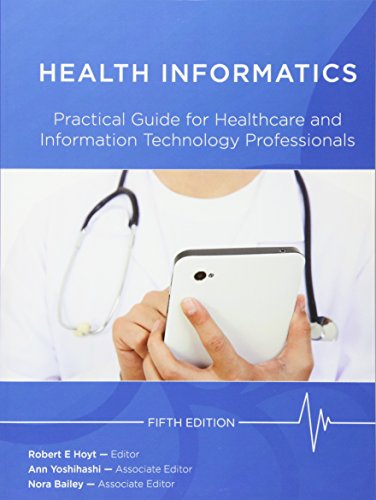
Focuses on the application of information technology (IT) to the field of medicine to improve individual and population healthcare delivery, education and research.

Step 2: Learn The Reality Of Your Chosen Field
After figuring out the field or specialty you’re interested in, you have to learn the reality of that type of job. Conduct as much research as you can to see what it’s actually like to work in this role day-to-day. Reddit is a great resource for stuff like this, as you’ll find subReddits with people in particular roles giving honest views on the reality of their work.
You should also look for real-life work experience if possible. Maybe you ride around in an ambulance for a day or shadow someone at their place of work. It gives you an insight into what your life may be like and whether or not you wish to carry on down this path.
This may result in a reality check where you recognize that, actually, this path isn’t for you. In that case, circle back to step one and start again.
Step 3: Check Out The Job Prospects
When you’ve learned as much as you can about the healthcare career you’re interested in, and you’re still happy to go ahead, you should move on to looking at the job prospects. This isn’t the same as actually looking for work – all you’re doing here is seeing how many jobs are available, what the salaries are like, and whether or not this is too competitive a field.
You can find healthcare jobs on platforms all across the internet that show you what it’s like if you become qualified and go down your chosen route. This is another situation where a reality check may set in: what if your desired field is overly competitive and extremely difficult for new people to venture into? You either decide to tough it out or revert to stage one again to find a different field.
This book is intended for someone curious to learn more about a career in healthcare, but not certain if it is right for them, or if the industry would be a good fit for them.

Step 4: Gain All Necessary Qualifications
Almost all healthcare jobs require qualifications of some sort, even if it’s just a First Aid or CPR certification. Nevertheless, as you conduct research into your desired field, you should come up with a list of essential qualifications that stand in the way of you getting the job you wish for.
This will be the longest step in the process of finding a healthcare job, as you need to obtain all the right qualifications. In some cases, this could involve spending multiple years in college obtaining a degree. In others, you may be able to do on-the-job training or take certified courses that only last a day or two.
It doesn’t matter how long this takes; you need to become qualified at the healthcare job you’re interested in, or you’ll never move on to the final step.
Step 5: Find Your New Job
With all of the right qualifications in the bag, you can begin a proper healthcare
These five steps give you a pathway to follow if you want to break into the world of healthcare. That being said, step number two is probably the most important. Careers in healthcare may look great from the outside, but you must learn the reality of them before going down this path. They’re not for everyone, but if you can handle what may lie ahead, then you’re in for a great career.
Project Management for Healthcare Informatics will provide an explanation of the project management process tailored for nurses through its use of real clinical examples.


Mark Fiebert is a former finance executive who hired and managed dozens of professionals during his 30-plus-year career. He now shares expert job search, resume, and career advice on CareerAlley.com.