- Key Takeaways
- Why Skill Development Is No Longer Optional
- Build on What You Already Do Well
- Use Flexible Learning Paths to Stay Competitive
- Learn Faster by Observing and Engaging Others
- Track What Employers Actually Want
- Develop Transferable Skills That Travel With You
- Expand Beyond Your Comfort Zone
- Further Guidance & Tools
- Next Steps
- Final Words
- Additional Resources
We may earn a commission if you click on a product link and make a purchase at no additional cost to you. For more information, please see our disclosure policy.
Last updated: March 23, 2026
By Mark Fiebert
Key Takeaways
- Skill Stacking: Combining complementary skills increases your value by expanding what you can deliver, making you more adaptable and competitive in evolving job markets.
- Continuous Learning: Regularly updating your skills ensures you stay aligned with changing employer expectations and technological advancements across industries.
- Market Awareness: Tracking industry trends helps you focus on skills that employers are actively hiring for rather than wasting time on low-impact development.
- Practical Application: Applying new skills through real-world projects or roles strengthens credibility and demonstrates your ability to deliver results.
- Strategic Growth: Building both specialized and transferable skills creates flexibility, allowing you to pivot roles, industries, or career paths when opportunities arise.
Why Skill Development Is No Longer Optional
Having marketable skills is no longer just a career advantage—it is a requirement. The pace of change in today’s workplace means that what made you successful a few years ago may not be enough to keep you competitive now. Technology continues to reshape industries, and employers increasingly prioritize adaptability, problem-solving, and continuous learning.
You need to continuously build on your skills to remain relevant and to position yourself for advancement. The challenge is not just learning something new, but choosing the right skills that align with future opportunities. When you’re looking for ways to learn new, marketable skills, you must think strategically about how they will serve you long-term.
Explore your creativity with classes in illustration, photography, design, and more. Get unlimited access to classes on illustration, photography, design, film, music, and more.

Build on What You Already Do Well
If you’re thinking about how to grow your skills, start with what you already have. Expanding your existing skills with complementary capabilities is one of the fastest ways to increase your value. This approach—often called “skill stacking”—allows you to deepen expertise while broadening your impact.
For example, if you already know how to design a website, you might want to look at courses for web designers that teach you additional skills, such as SEO, analytics, or conversion optimization. These combinations make you far more valuable than someone with only a single specialization.
Think about how your current skills can evolve. The goal is not just to add more skills, but to build combinations that employers find difficult to replace.
Use Flexible Learning Paths to Stay Competitive
Learning no longer requires rigid schedules or traditional classrooms. Today, you can develop new skills through a mix of online and offline resources, allowing you to fit learning into your existing commitments.
Platforms to learn new skills at your own pace, using structured programs, video lessons, and real-world assignments. Whether you choose an online course or an in-person workshop, what matters is consistent progress.
The key is to choose learning methods that align with your goals and learning style. Some people thrive with structured certification programs, while others benefit more from hands-on workshops or project-based learning.
Learn without limits
Start, switch, or advance your career with more than 5,800 courses, Professional Certificates, and degrees from world-class universities and companies.
Learn Faster by Observing and Engaging Others
One of the most overlooked ways to build new skills is by learning from people already doing what you want to do. You can accelerate your development simply by observing how others work, communicate, and solve problems.
Pay attention to colleagues, industry leaders, and even online creators. You can find someone to mentor you, gaining access to insights that would take years to learn independently. You can also actively build new skills through collaboration and real-world feedback.
Learning in a social or collaborative environment often leads to faster, deeper understanding than studying alone.
Track What Employers Actually Want
It is not enough to build skills in isolation. You need to align your development with real market demand. Job descriptions, hiring trends, and industry reports offer valuable insight into the skills employers are prioritizing.
As industries evolve, the skills that were once essential may become outdated. New technologies, including automation and AI, are reshaping roles across sectors. Staying informed allows you to focus on high-impact skills that increase your long-term career stability.
This is especially important if you plan to freelance, start a business, or transition into a new field. Market awareness ensures your efforts translate into real opportunities.
EMEET NOVA 4K Webcam for PC - Ultra 4K HD, PDAF Autofocus, Dual Noise-Cancelling Mics, 73 FOV, Auto Light Correction, USB-A, Privacy Cover, Ideal for High-End Business Meetings&Live St...

Develop Transferable Skills That Travel With You
Transferable skills are among the most valuable assets you can build. These are capabilities that apply across multiple roles and industries, giving you flexibility and resilience in your career.
When your skills are transferable, you can adapt to new challenges, collaborate with different teams, and expand your responsibilities. This is particularly useful when switching roles, industries, or even career paths.
Instead of being limited to a narrow set of responsibilities, you develop a broader toolkit of skills that can evolve alongside your career.
Expand Beyond Your Comfort Zone
While building on existing strengths is critical, there are times when you should deliberately branch out. Learning entirely new skills can open doors you might not have considered.
This approach is especially useful if you are thinking about a
Understanding where opportunities are headed can help you choose plan options that align with long-term stability. It is also wise to stay aware of how job security evolves, as highlighted in discussions around secure work environments.
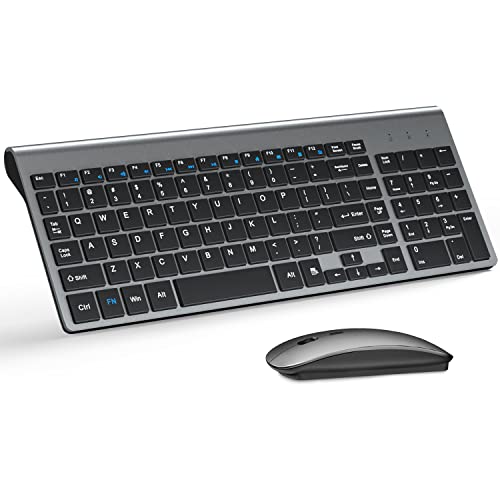
Wireless Keyboard and Mouse Ultra Slim Combo, TopMate 2.4G Silent Compact USB 2400DPI Mouse and Scissor Switch Keyboard Set with Cover, Batteries Included, for PC/Laptop/Windows/Mac - Gray...
Further Guidance & Tools
- Career Data: Use Occupational Outlook Handbook to research in-demand roles, salary ranges, and growth trends before committing to new skills.
- Skill Insights: Explore O*NET Online to understand which skills align with specific roles and industries.
- Learning Paths: Visit edX to find structured programs that help you build career-relevant skills from top institutions.
- Industry Trends: Follow Harvard Business Review to stay informed about evolving workplace expectations and skill demands.
- Career Planning: Use MindTools to build structured development plans and improve professional effectiveness.
Next Steps
- Evaluate Skills: Review your current capabilities and identify which skills can be expanded or combined to increase your professional value.
- Research Demand: Analyze job postings and industry trends to determine which skills are most востребованны in your desired field.
- Start Learning: Choose one focused area and begin developing it through courses, projects, or hands-on experience that builds practical expertise.
- Build Network: Connect with professionals in your target industry and learn how they apply their skills in real-world situations.
- Apply Skills: Use new knowledge immediately through projects or work tasks to reinforce learning and demonstrate measurable results.
This 360 degree rotating floral desk organizer features seven compartments for office or personal items, is made of durable metal mesh with a sleek matte finish, and makes a practical yet stylish gift for any occasion.

Final Words
Building marketable skills is not a one-time effort but an ongoing strategy for staying relevant, adaptable, and competitive. By combining existing strengths with new capabilities, aligning your efforts with market demand, and continuously applying what you learn, you create long-term career resilience. The professionals who succeed are those who evolve intentionally and act on opportunities as they emerge.
Additional Resources
Invited to take the USA Hire assessments as part of your Federal Government job application? As is the case for all aptitude assessments, preparation is the key to exam success. Prepare and practice for USA Hire through JobTestPrep today and ensure your success.

Mark Fiebert is a former finance executive who hired and managed dozens of professionals during his 30-plus-year career. He now shares expert job search, resume, and career advice on CareerAlley.com.