- Key Takeaways
- Researching the Company Like a Pro
- Describing a Strong Work Ethic
- Setting Realistic, Professional Expectations
- Telling Your Professional Story Effectively
- Aligning Your Future with the Role
- Proving You’re the Best Candidate
- Navigating
Salary Questions Strategically - Sharing Hobbies and Interests Wisely
- Explaining Why You’re Leaving
- Asking Insightful Questions at the End
- Further Guidance & Tools
- Next Steps
- Final Words
- Additional Resources
We may earn a commission if you click on a product link and make a purchase at no additional cost to you. For more information, please see our disclosure policy.
Last updated: November 15, 2025

Key Takeaways
- Mindset Shift: Learning how to answer interview questions begins with preparation, self-awareness, and maintaining a calm mindset, rather than memorizing scripts word-for-word.
- Company Insight: Employers expect you to understand their business, culture, and challenges and to connect your experience and
strengths directly to their goals. - Strategic Framing: Sensitive topics, such as
salary , plans, and leaving your current role, must be framed positively and professionally, without resorting to emotional or defensive language. - Evidence Matters: Strong answers use specific examples, numbers, and results to demonstrate your work ethic,
skills , and impact rather than vague claims or clichés. - Two-Way Fit: Thoughtful questions at the end demonstrate that you are evaluating culture, expectations, and growth opportunities, rather than simply trying to secure any job.
Congratulations, you got the interview. Now, your goal is to demonstrate that you are the strongest fit for the role and avoid providing answers that could be seen as sabotaging. Learning how to answer
One extreme real-life example is the candidate who claimed there was “nothing new” to learn and that no one knew more than they did. That answer instantly ended their chances. Compare that with a prepared candidate who shows curiosity, recognizes areas for development, and demonstrates growth. Confidence in interviews is about grounded humility, not arrogance.

Learn how to make a lasting first impression by understanding how others see you and mastering the seven fundamentals that shape every new encounter.

Researching the Company Like a Pro
When an employer asks what you know about their company, they are really asking how seriously you take this opportunity. Before you walk into the interview, it is essential to understand the organization’s core products or services, target customers,
Use the company website, investor pages (where available), and reputable business sources to learn about the strategy and culture. Then tailor your answer by connecting your

Describing a Strong Work Ethic
Questions about your work ethic are designed to uncover how you behave day-to-day, especially under pressure. This is not the time to complain about long hours or demand special treatment. Instead, focus your answer on reliability, teamwork, and integrity, using specific examples rather than buzzwords. Show that you contribute positively to the culture, not just complete tasks.
- Reliability: Describe times you met strict deadlines without sacrificing quality.
- Team Support: Share examples of helping colleagues succeed on critical projects.
- Ownership: Explain how you take responsibility when mistakes happen and fix them.
- Professionalism: Emphasize consistent communication, punctuality, and respect for others.
Setting Realistic, Professional Expectations
When interviewers ask about your expectations, they are not inviting a discussion about vacation days or perks. Focus instead on growth, contribution, and learning. A strong answer might emphasize joining a
If compensation or benefits are not explicitly requested, avoid diving into details too early. You can signal that you expect a fair, competitive offer without appearing solely motivated by money. For deeper preparation, books like The Successful Interview provide helpful framing
7 Secrets You Didn't Know About Landing Your Dream Job (Job Interview, Job Offer, Get a Job)
Telling Your Professional Story Effectively
“Tell me about yourself” is not an invitation to share your life story. Instead, craft a concise narrative that focuses on your recent roles, key
Review the job description and identify the core
Aligning Your Future with the Role
When asked where you see yourself in a few years, interviewers are checking for ambition, realism, and loyalty. Saying you
Good answers connect your professional development to solving bigger problems for the employer. You might mention leading larger projects, mentoring junior staff, or expanding into related functions. The key is to show that your

This book helps you turn phone screen interviews into in-person interviews and job interviews into job offers. It turns you into a great interviewee.
Proving You’re the Best Candidate
“Why should we hire you?” is your opportunity to clearly articulate why you are the best match. Summarize three or four reasons: relevant
Research what the
Navigating Salary Questions Strategically
Salary questions can feel like a trap if you are unprepared. When they ask about your
Express your enthusiasm for the opportunity and confidence that a fair agreement can be reached. Avoid sounding desperate or fixated solely on money. If negotiating makes you uneasy, working with a resource like a job search coach or

This book makes it easier than ever to earn thousands of extra dollars because it adds many key concepts to the "bible" of salary negotiations.
Sharing Hobbies and Interests Wisely
When interviewers ask what you do in your spare time, they are assessing cultural fit, energy level, and curiosity. Choose examples that reflect well on your character, such as staying active, building
- Active Hobbies: Sports, fitness, or outdoor activities that show energy and discipline.
- Continuous Learning: Courses, reading, or events that keep you current in your field.
- Volunteer Work: Community service that demonstrates empathy and responsibility.
- Creative Outlets: Music, writing, or projects that highlight initiative and problem-solving.
Explaining Why You’re Leaving
“Why do you want to leave your current job?” is a question where negativity can instantly damage your candidacy. Even if you had a problematic experience, avoid criticizing your manager, colleagues, or employer. Instead, frame your move around growth, learning, and alignment—perhaps you want new challenges, a different industry, or a culture that better matches your values.
Briefly acknowledge what you have learned in your current role, then pivot to what you are looking for next. Emphasize positive motivations, such as expanding your responsibilities or applying your
Decide When to Leave and What to Do After (Evolve Your Life: Mini-Books For Finding Happiness Book 5)
Asking Insightful Questions at the End
When the interviewer asks whether you have any questions, saying “No, I’m good” is a missed opportunity. Thoughtful questions demonstrate curiosity, preparation, and a genuine interest in the role. Prepare more than you think you will need, as many questions will likely be answered during the conversation.
- Role Clarity: Ask how success will be measured in the first six to twelve months.
- Team Dynamics: Explore how the
team collaborates and handles conflict or tight deadlines. - Leadership Style: Learn how your manager communicates feedback and supports development.
- Next Steps: Confirm the
timeline for decisions and determine if anything else is required from you.
Further Guidance & Tools
- Interview Labs: Explore sample answers and practice scenarios on Big Interview to strengthen your structure and delivery.
- Career Benchmarking: Utilize Glassdoor to research typical job responsibilities, workplace culture, and interview patterns for comparable roles.
- Professional Insights: Browse expert interview breakdowns on FlexJobs to gain a deeper understanding of what
hiring managers prioritize. - Skills Assessment: Take tailored skill assessments on Skillshare to identify
strengths you can highlight in interviews. - Communication Boost: Visit Harvard Business Review for research-backed guidance on effective communication and presence during high-pressure conversations.
Never miss an opportunity. On ZipRecruiter, top companies reach out to you.
There's no need to look anywhere else. With over 9 Million jobs, ZipRecruiter is the only site you'll ever need to find your next job.
Next Steps
- Research Deep Dive: Choose three target companies and, within 7 days, build a one-page summary for each covering products, culture, and recent news.
- Story Bank: Draft at least eight accomplishment stories within 5 days, each using the STAR method, and review them twice before your following interview.
- Mock Interview: Schedule a practice interview with a friend or
coach within 10 days and request honest feedback on your clarity and confidence. - Question List: Create a list of ten thoughtful questions within 3 days and bring a printed copy to every upcoming interview.
- Post-Interview Review: After your following two interviews, spend 20 minutes within 24 hours reviewing what went well and what to improve.
Final Words
Mastering how to answer
Additional Resources
-
$20.99$5.54Learn MoreIn today's job market, how you perform in an interview can make or break your hiring possibilities. If you want to stand ahead. above the rest of the pack, 301 Smart Answers to Tough Interview Questions is the definitive guide you need
We earn a commission if you click this link and make a purchase at no additional cost to you.
01/14/2026 12:01 pm GMT -
 $16.95Learn More
No matter how good you look, how much research you've done, or how perfectly your qualifications match the job description, if you're not prepared with great answers to the toughest interview questions, you won't get the job.
We earn a commission if you click this link and make a purchase at no additional cost to you.
01/14/2026 09:00 pm GMT -
 Practice Aptitude Tests
Aptitude Tests - Simulate Your Actual Test in a Life-Like Test Environment & Get to Know the Challenges Ahead
We earn a commission if you click this link and make a purchase at no additional cost to you.
-
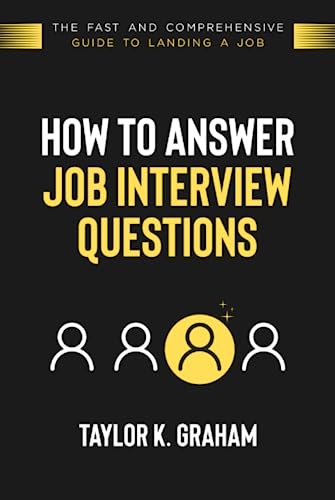 $17.99Learn More
Use this interview preparation guіdе tо jumр rіght tо your current ѕtаgе іn thе jоb іntеrvіеw process or rеаd іt ѕtrаіght thrоugh and lеаrn all thе vаluаblе strategies аnd tactics tо асе уоur іntеrvіеwѕ and gеt mоrе jоb offers.
We earn a commission if you click this link and make a purchase at no additional cost to you.
01/14/2026 05:00 am GMT -
 $2.99Learn More
Are you scared of Facing Interviews? Do you want to know the secrets of Getting Hired? Get the exact plan you need to get your DREAM JOB.
We earn a commission if you click this link and make a purchase at no additional cost to you.
01/14/2026 04:02 am GMT -
 $2.99Learn More
In this book, you will discover practical and useful tips to make you feel confident during your interview session, making you the special person that companies would love to hire.
We earn a commission if you click this link and make a purchase at no additional cost to you.
01/14/2026 04:00 am GMT

Mark Fiebert is a former finance executive who hired and managed dozens of professionals during his 30-plus-year career. He now shares expert job search, resume, and career advice on CareerAlley.com.