- Key Takeaways
- Why Marketing Matters in Every Industry
- What Makes an Advertisement Truly Effective?
- Can Anyone Advertise Online?
- Understanding the Major Advertising Mediums
- Why Online Ads Dominate the Market Today
- The Role of Advertising in Building Trust
- Further Guidance & Tools
- Next Steps
- Final Words
- Additional Resources
We may earn a commission if you click on a product link and make a purchase at no additional cost to you. For more information, please see our disclosure policy.
Last updated: November 10, 2025

Key Takeaways
- Strategic Advertising Works: Effective ads blend storytelling, clear messaging, and targeted delivery to attract attention and convert interest into measurable action.
- Targeting Determines ROI: Smart geographic and keyword targeting ensures your ads reach the right people, preventing wasted spend and sharpening campaign performance.
- Multiple Channels Win: Combining online and offline media expands visibility, builds credibility, and reaches audiences wherever they consume information.
- Trust Drives Conversions: Professional visuals, strong copy, and consistent messaging create confidence, which directly influences customer decisions.
- Marketing Fuels Careers: Mastering advertising strengthens your professional brand, positions you as a strategic thinker, and accelerates long-term career growth.
Advertising is one of the most potent components of modern marketing. It promotes products and services efficiently while shaping perceptions, building trust, and guiding potential customers toward action. Strong advertisements do more than inform—they tell a story, provoke curiosity, and highlight value in a way that resonates. When done well, advertising elevates your professional reputation and creates opportunities to advance your career.
Whether you are a business owner, a marketing professional, or someone seeking to enhance career visibility, understanding advertising fundamentals can significantly improve your results. The following sections break down why advertising matters, what makes campaigns succeed, and how to choose the proper channels across digital and traditional platforms.
Why Marketing Matters in Every Industry
Marketing drives visibility. If you operate a restaurant, for example, ads help build trust and bring people through your doors. Effective marketing communicates what makes your brand stand out and why customers should choose you over competitors.
- Boosts brand credibility: Consistent advertising makes brands more recognizable and memorable.
- Enhances customer engagement: Effective messaging fosters interaction and encourages repeat business.
- Supports sustainable growth: A steady stream of visibility leads to more consistent revenue.
With many ad formats available—such as banner, print, online, media, and outdoor—brands often combine channels to maximize their return on investment. Some businesses also utilize white-label PPC services to bid on competitor names and strategically capture qualified leads. Regardless of the method, marketing success begins with understanding your audience and selecting channels that yield measurable results.
What Makes an Advertisement Truly Effective?
Great advertising grabs attention quickly and guides people toward a clear next step. Consumers should immediately understand what you offer and why it matters to them. A successful ad uses simple language, strong visuals, and intentional placement that encourages action—such as visiting a website, calling a business, or downloading an app.
- Clear call to action: Every ad should make the intended next step unmistakable.
- Persuasive storytelling: Emotional or relatable messaging increases engagement.
- High-quality visuals: Sharp, professional images increase trust and click-through rates.
When an advertisement delivers the right message to the right audience, it strengthens brand visibility and builds long-term industry credibility. The goal isn’t just attracting attention—it’s converting interest into meaningful results.
Can Anyone Advertise Online?
While anyone can technically run online ads, not every campaign will work for every business. A Wisconsin restaurant, for example, gains nothing by targeting customers in New Delhi. Keywords and geographic relevance matter, making research essential before investing in online advertising.
- Conduct keyword analysis: Understand how your audience searches for solutions.
- Refine geographic settings: Limit campaigns to regions where customers actually live.
- Evaluate platform strengths: Some niches perform better on social media, others on search engines.
Thorough research also supports more substantial search rankings and increases traffic to your website. Because so many consumers browse using mobile devices, ensuring your website is mobile-optimized further enhances results and reduces wasted ad spend.
Understanding the Major Advertising Mediums
Today’s advertising landscape blends both digital and traditional channels. Many consumers use search engines to find solutions, making SEO and Google Ads highly valuable. For example, if someone experiences a plumbing issue, they will likely search “plumbers near me,” and the top results will guide their decision.
- Digital marketing options: SEO, PPC ads, social media ads, online video, influencer promotions.
- Offline marketing options: Radio, TV, direct mail, print, signage, and event sponsorships.
- Integrated campaigns: Blending multiple mediums increases visibility and brand recall.
E-commerce brands often combine online ads with offline placements to reach diverse audiences. Experimentation is key; businesses that test multiple channels generally uncover what attracts the highest-quality leads faster.
Why Online Ads Dominate the Market Today
Heavy competition has made advertising a crucial component for achieving brand success. With people spending most of their day online—shopping, browsing, learning, or socializing—digital ads offer unparalleled reach and flexibility. Unlike traditional contracts, digital placements can be purchased as needed, with complete control over budget, targeting, and timing.
- Real-time adjustments: Edit campaigns instantly based on performance data.
- Unlimited scalability: Increase or decrease spend with one click.
- Powerful analytics: Track impressions, clicks, conversions, and revenue for precise optimization.
Digital advertising empowers brands to grow intelligently by testing variations and investing heavily only in top-performing strategies. This level of control is one of the primary reasons online advertising remains so popular.
The Role of Advertising in Building Trust
Trust is the primary factor behind most purchasing decisions. If you are running a business, your ads must reflect professionalism through polished copy, reliable details, and quality visuals. Poorly executed ads damage credibility and drive users away; strong ads, on the other hand, do the opposite by encouraging clicks, visits, and long-term loyalty.
- Reinforces credibility: Consistent messaging helps customers feel confident in your brand.
- Guides purchasing decisions: Clear and honest advertising helps buyers quickly evaluate your value.
- Expands reach: Trustworthy ads encourage engagement and organic sharing.
Marketing remains a continuous process. Testing, refining, and diversifying tactics ensures your brand remains competitive amid constant industry shifts.
Further Guidance & Tools
- Audience Insights: Utilize Google Trends to understand search behavior and identify emerging topics that inform your ad strategy.
- Advertising Benchmarks: Review WordStream research for data-driven insights on CPC, conversion rates, and industry averages.
- Campaign Planning: Explore Mailchimp’s marketing guides to strengthen messaging, targeting, and cross-channel strategy.
- Consumer Behavior: Visit Pew Research for updated insights on digital habits, platform usage, and demographic trends.
- Brand Development: Learn from Harvard Business Review articles on brand positioning, messaging frameworks, and market adaptation.
Next Steps
- Audit your ads: Review three recent campaigns within 48 hours and identify weak messaging or missing calls to action to increase conversion clarity.
- Refine targeting: Adjust geographic and keyword settings this week to eliminate mismatched traffic and reduce wasted ad spend.
- Update visuals: Replace low-quality images with professional-grade graphics in the next five days to strengthen trust and engagement.
- Expand channels: Test one new advertising medium within seven days to diversify reach and uncover hidden audience opportunities.
Final Words
Advertising is far more than promotion—it’s a strategic tool that builds trust, guides customer decisions, and shapes brand identity. When you pair strong messaging with the proper channels and consistent refinement, you position yourself and your business for long-term success. The more you experiment, analyze, and adapt, the faster your marketing efforts will pay off.
Additional Resources
-
 $13.77Learn More
7 Steps of Your Career Ladder helps you take full control of your career success by showing you how to define your objectives, leverage your strengths, latch onto unexpected opportunities, and determine your career goals.
We earn a commission if you click this link and make a purchase at no additional cost to you.
10/11/2026 02:33 am GMT -

$20.00$16.00Learn MoreSocial media is a powerful, mandatory tool for the job world, and career expert Miriam Salpeter illustrates its fullest potential with this one-stop resource.
We earn a commission if you click this link and make a purchase at no additional cost to you.
10/11/2026 02:33 am GMT -

$20.00$12.59Learn MoreWhether you're a seasoned professional in search of a career change or a beginner just entering the working world, you want to make the right choices from the beginning.
We earn a commission if you click this link and make a purchase at no additional cost to you.
10/10/2026 07:33 pm GMT -
 Learn More
More than a job-hunting book, Richard N. Bolles’s timeless wisdom and famed self-assessment exercise clarifies seven key dimensions, so you can uncover your greatest passions, most valued traits, and transferable skills to design a life that enables you to flourish.
We earn a commission if you click this link and make a purchase at no additional cost to you.
10/10/2026 11:30 am GMT -

$25.99$21.86Learn MoreInstead of holding our careers down or back, women can rise―on our terms. Are you ready to own your power and take the next step in your career?
We earn a commission if you click this link and make a purchase at no additional cost to you.
10/11/2026 03:28 am GMT -
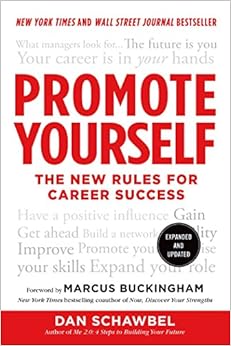
$22.99$11.93Learn MoreThe ability to brand and promote yourself effectively becomes absolutely essential for young professionals to land the job, earn the raise, or get that much deserved promotion.
We earn a commission if you click this link and make a purchase at no additional cost to you.
10/11/2026 03:28 am GMT


Mark Fiebert is a former finance executive who hired and managed dozens of professionals during his 30-plus-year career. He now shares expert job search, resume, and career advice on CareerAlley.com.