- Key Takeaways
- Research Your Interviewers
- Keep Up With Company News
- Learn the Ins and Outs of Proper Communication
- Use Fashion to Your Advantage
- Research the People Behind the Panel
- Turn Company News Into Smart Talking Points
- Use Personal Style to Reinforce Your Story
- Further Guidance & Tools
- Next Steps
- Final Words
We may earn a commission if you click on a product link and make a purchase at no additional cost to you. For more information, please see our disclosure policy.
Last updated: November 18, 2025
Key Takeaways
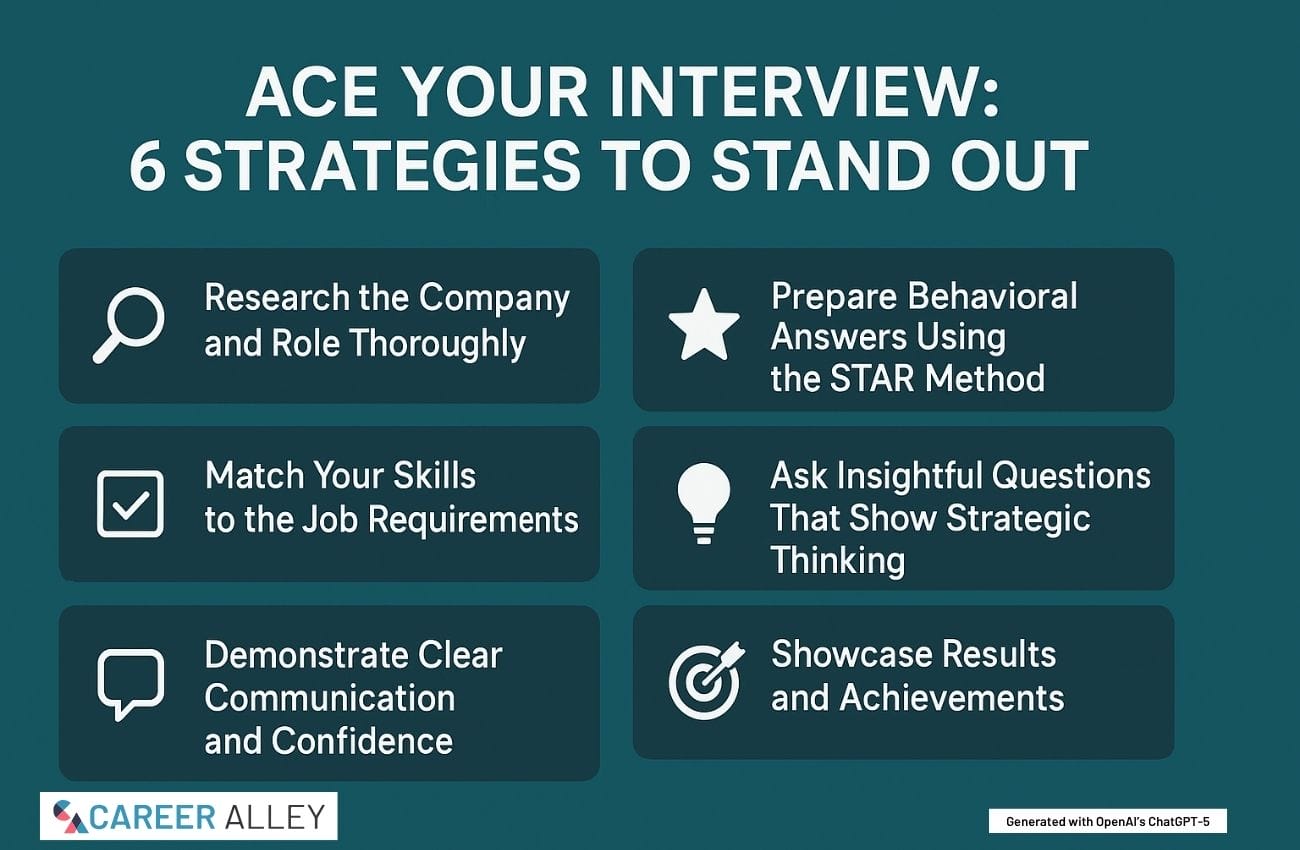
- Preparation Depth: Strong interviews depend on more than company research; understanding interviewers and tailoring insights to their priorities creates a meaningful advantage.
- Timely Awareness: Following company news and industry updates helps you ask sharper questions and position your skills as timely, relevant solutions to current challenges.
- Strategic Arrival: Arriving early gives you time to observe the workplace culture, manage nerves, and present yourself as composed and dependable from the start.
- Communication Strength: Clear, confident communication builds credibility, demonstrates understanding of the role, and helps interviewers see your readiness for the demands of the position.
- Personal Branding: Thoughtful fashion choices and small signature details create subtle opportunities for rapport-building and reinforce your professional narrative.
Interviews are a critical part of the
Our AI Job Interview Coach is designed to help you train and excel in any job interview from the comfort of your home.


Research Your Interviewers
Many articles on acing your interview will tell you to research the company, but you’ll strengthen your case even more by analyzing your interviewers as well. You can try calling the HR office ahead of time to ask who will be handling your interview, or look them up on LinkedIn or similar websites. Understanding their roles, interests, and backgrounds helps you anticipate their questions, build rapport more quickly, and walk into the room feeling prepared rather than surprised.
Keep Up With Company News
While basic research is essential, many applicants stop after scanning the company homepage. You stand out more when you understand how the organization is performing today and where it is focusing its efforts. Read recent blog posts, product or service updates, earnings summaries, and industry coverage. Use tools like Google Alerts for job search to monitor company and competitor news, giving you fresh, specific context to reference in your answers and questions.
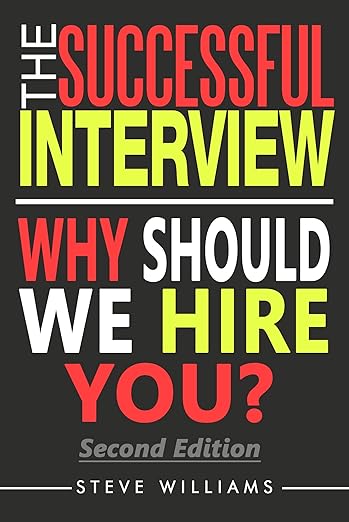
This book shows job seekers how to research a company effectively and use those insights to clearly demonstrate why they are the ideal hire. It helps candidates connect their strengths to the employer’s needs so their value stands out.

Arrive Early, Not On Time
Being punctual is an important habit to cultivate in any aspect of your life. For interviews, it pays to go a step further. Arriving 30 to 60 minutes early shows commitment, gives you time to understand the building and environment, and helps you calm your nerves so you enter the room focused rather than rushed.
Learn the Ins and Outs of Proper Communication
Communicating well is essential to any aspect of the

Are you scared of Facing Interviews? Do you want to know the secrets of Getting Hired? Get the exact plan you need to get your DREAM JOB.
Use Fashion to Your Advantage
Everyone knows you need to dress to impress, but your interview outfit can do more than meet a dress code. Your fashion choices communicate professionalism, attention to detail, and cultural awareness before you say a word. This does not mean going overboard with bold pieces; instead, aim for clothing that fits well, feels comfortable, and aligns with the company’s norms. When your appearance supports your message, it becomes another tool for reinforcing your overall credibility.
Clothing can also break the ice when used thoughtfully. An understated yet unique collar pin, a scarf purchased from an interesting locale, or another subtle detail can become a natural conversation starter. These elements give you an easy way to share parts of your story and background, helping you connect on a more human level and making you more memorable to the interview panel.
Research the People Behind the Panel
Once you understand the basics of who will be interviewing you, take your preparation a step further by thinking about how to connect with them as individuals. Look for themes in their career paths, shared professional interests, or overlapping experiences to weave into your examples. Rather than repeating their résumé back to them, use what you learn to tailor your stories, highlight relevant achievements, and ask questions that reflect genuine curiosity about their work. This deepens rapport without duplicating your general company research.
7 Secrets You Didn't Know About Landing Your Dream Job (Job Interview, Job Offer, Get a Job)
Turn Company News Into Smart Talking Points
Going beyond the careers page shows interviewers that you care about where the organization is headed, not just whether they will hire you. Instead of memorizing generic mission statements, follow recent product launches, leadership changes, market challenges, and public statements from executives. This context helps you frame your experience as a
- Set Alerts: Create automatic updates using Google Alerts so fresh articles, press releases, and industry news about the company land directly in your inbox.
- Scan Earnings: Review summaries of financial results or performance updates to understand which business lines are growing, struggling, or being repositioned in the market.
- Track Thought Leaders: Look for interviews or posts by senior leaders to hear them describe strategy, culture, and long-term goals in their own words.
- Note Competitors: Pay attention to mentions of rival companies so you can discuss how your skills would help them stay ahead in a competitive landscape.
Use Personal Style to Reinforce Your Story
Interview dress codes are more flexible than they used to be, which turns your outfit into a subtle storytelling tool rather than just a requirement. The goal is not to stand out with something loud or gimmicky, but to signal polish, self-awareness, and cultural fit through deliberate choices. Neutral, well-fitted clothing forms the base, while carefully selected details can make you memorable without distracting from your message.
Think of your appearance as a visual context for your narrative: it should support the version of yourself you want them to remember long after you leave the building.
- Plan Signature Detail: Choose one understated accessory, such as a distinctive watch or scarf, that can become a natural conversation starter if someone compliments it.
- Match the Culture: Review photos from the company’s social channels to gauge whether they lean toward a more formal, business casual, or creative style, then calibrate to one notch more polished.
- Test Comfort: Wear the complete outfit during a practice run to ensure you can sit, walk, and gesture comfortably without fidgeting or constantly adjusting your clothes.
- Check Guidelines: If you are unsure about expectations, consult a neutral guide on interview attire, such as this practical overview, and adapt it to your role and industry.
The Career Portfolio Workbook offers innovative, step-by-step guidance to help job seekers build a targeted, skill-based portfolio filled with tangible proof of accomplishments, adaptable for interviews, reviews, and career transitions.

Further Guidance & Tools
- Question Practice: Use The Muse’s interview guide to practice common questions and structure stronger, more confident answers.
- Answer Library: Explore the Indeed Interviewing hub for practical examples, sample responses, and guidance on different interview formats.
- Skills Alignment: Match your skills to target roles, and speak more specifically about the job requirements.
- Question Ideas: Use this question list to prepare thoughtful, insightful questions that show genuine curiosity about the role and team.
- Course Support: Check LinkedIn Learning courses for structured
interview preparation and communication training tailored to modern hiring practices.
Next Steps
- Identify your next target role and outline three concrete ways your experience directly supports the responsibilities listed in the job description.
- Research each interviewer’s background and prepare two personalized talking points that connect your achievements to their focus areas or recent projects.
- Compile a short list of recent company news items and practice turning each into a relevant question or example you can reference during a conversation.
- Choose and test a complete interview outfit that feels comfortable, polished, and aligned with the culture you see on the company’s public channels.
- Run a full mock interview with a friend or mentor, focusing on straightforward storytelling, confident body language, and concise answers that highlight measurable results.
This book is all about how best to nail the online virtual interview for jobs. On perusing the book, you will be knowing how to prepare for online interview and how to deliver, for in the end, employer would like to hire you.

Final Words
Standing out in interviews is less about gimmicks and more about thoughtful preparation, genuine curiosity, and consistent professionalism. When you understand the people, the organization, and your own value, you walk into the room with calm, credible confidence. Combine research, communication, and subtle personal branding, and each interview becomes a stronger opportunity to show why you are the right choice.
Ace your next interview. Read on for some of the best job interview books that will help you ace your next interview.



Mark Fiebert is a former finance executive who hired and managed dozens of professionals during his 30-plus-year career. He now shares expert job search, resume, and career advice on CareerAlley.com.