- Key Takeaways
- Understanding Wrongful Termination
- Common Signs You May Have a Strong Claim
- Implied Promises and Employment Agreements
- Discrimination and Retaliation Protections
- Public Policy and Civic Protections
- Defamation and Reputation Damage
- Building a Strong Case
- Further Guidance & Tools
- Next Steps
- Final Words
We may earn a commission if you click on a product link and make a purchase at no additional cost to you. For more information, please see our disclosure policy.
Last updated: February 27, 2026
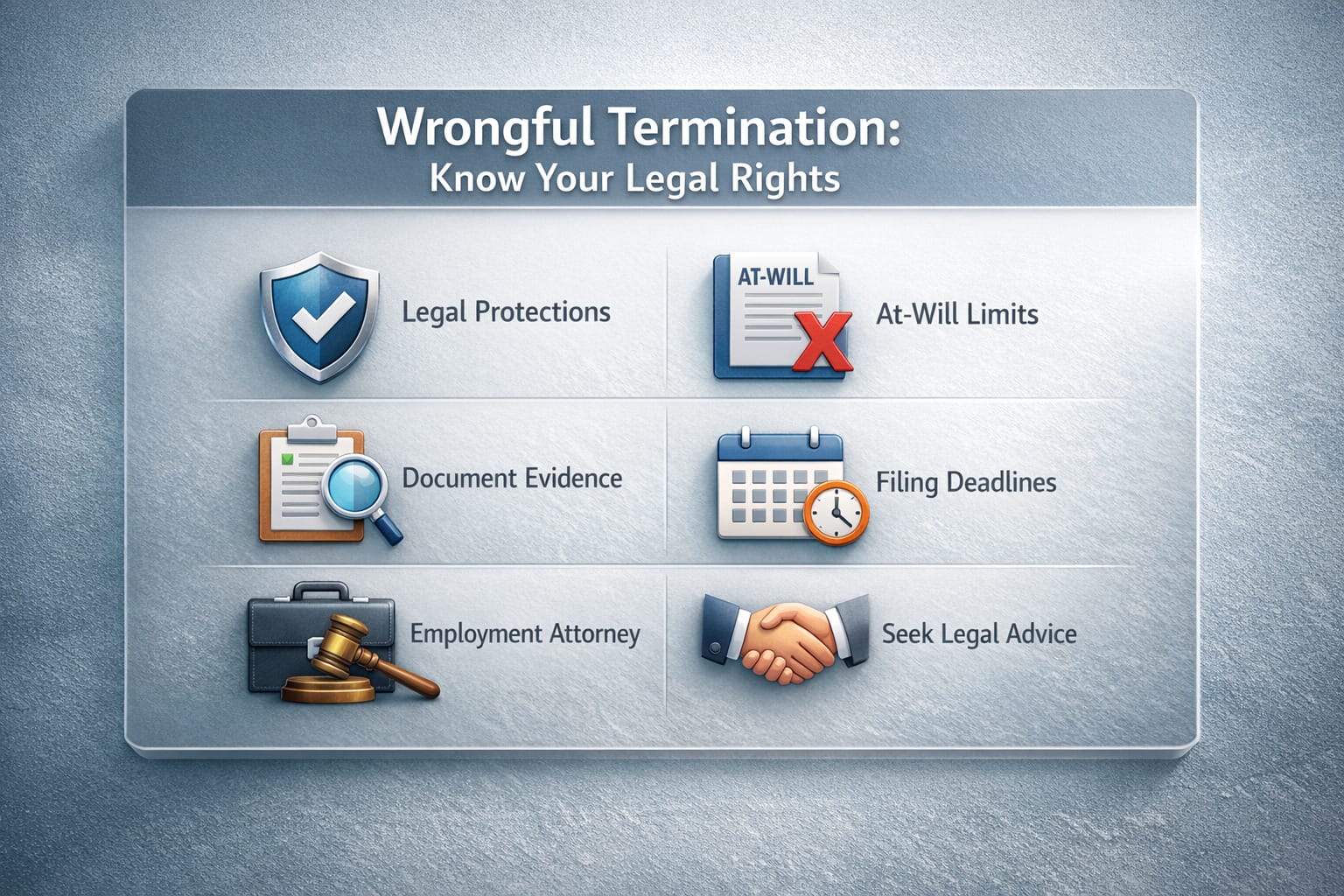
Key Takeaways
- Legal Protections: Federal and state laws prohibit termination based on discrimination, retaliation, whistleblowing, and violations of public policy.
- At-Will Limits: At-will employment allows termination without cause, but not for illegal or contract-breaching reasons.
- Documentation Matters: Strong evidence, written policies, and performance records often determine whether a wrongful termination claim succeeds.
- Timely Action: Strict filing deadlines apply to discrimination and retaliation claims, making early legal guidance critical.
- Professional Counsel: An experienced employment attorney can assess claim strength, negotiate settlements, and navigate agency requirements.
Understanding Wrongful Termination
Wrongful termination occurs when an employee is fired for reasons that violate federal or state law, breach an employment agreement, or contravene established public policy. While most U.S. employees work under “at-will” employment, meaning an employer can terminate employment at any time for lawful reasons, that flexibility does not extend to illegal conduct. Employers cannot fire someone for discriminatory reasons, retaliate against protected activity, or ignore binding contractual obligations.
Federal protections are primarily enforced by the Equal Employment Opportunity Commission (EEOC) and include Title VII of the Civil Rights Act, the Age Discrimination in Employment Act, the Americans with Disabilities Act, and related statutes. In addition, many states provide broader protections, including expanded definitions of protected classes and longer filing windows. Understanding the difference between unfair treatment and unlawful termination is the first step in evaluating whether you have a viable claim.
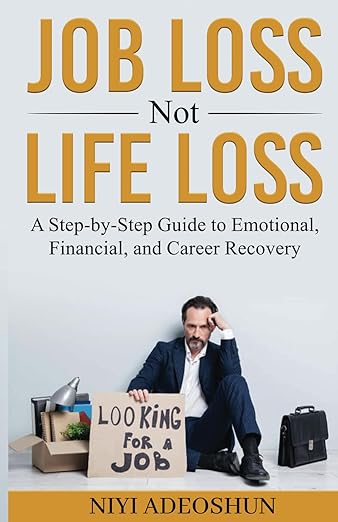
Nearly 50,000 people lose their jobs EVERY DAY. Are you one of them? Have you recently lost your job? Are you worried about what’s going to happen with your career next? Are you battling emotional issues such as self-doubt and anxiety? Before you burn down the building, read this first.


Common Signs You May Have a Strong Claim
- Violation of Employment Contract: If your employer terminated you in breach of written or clearly implied contract terms, you may have grounds for legal action.
- Discrimination: Termination based on race, color, religion, sex, pregnancy, sexual orientation, gender identity, national origin, age, disability, or genetic information is unlawful.
- Retaliation: Being fired after filing a complaint, reporting harassment, requesting accommodations, or participating in an investigation may signal illegal retaliation.
- Whistleblower Protection: Reporting fraud, safety violations, wage violations, or other illegal conduct is protected under federal and many state statutes.
- Public Policy Violations: Termination for serving jury duty, voting, military service, taking protected family or medical leave, or refusing illegal instructions may be actionable.
- Constructive Discharge: If working conditions were made so intolerable that a reasonable person would feel forced to resign, courts may treat it as termination.
- Failure to Follow Policy: Ignoring established disciplinary procedures or selectively applying company rules can strengthen a claim of unfair treatment.
Have you ever arrived at work one morning, confident in your success, only to have everything taken away in a five-minute meeting? Are you grappling with the sudden silence of colleagues who once filled your daily life? You’re not alone.

- Inconsistent Documentation: A sudden negative review with no prior performance record may indicate pretext rather than legitimate cause.
- Defamation: False statements that damage your professional reputation during or after termination may support additional legal claims.
- Unequal Treatment: If similarly situated employees were treated differently under comparable circumstances, that disparity may support discrimination claims.
Implied Promises and Employment Agreements
Employment relationships are often governed not only by formal contracts but also by offer letters, employee handbooks, and verbal assurances. Courts may recognize implied contracts if an employer clearly promises continued employment under specific conditions. For example, if a handbook outlines progressive discipline before termination and the employer bypasses those steps without justification, it could expose the employer to legal liability.
This becomes particularly important in situations involving medical conditions or injuries. If an employer explicitly or implicitly indicates that your job will be protected during a medical leave but later terminates you because of that condition, the termination may violate both contractual promises and disability protections. Employees should carefully review the policy language on leave, accommodations, and return-to-work procedures. You can also explore additional guidance on career protection strategies following a personal injury to better understand your rights and obligations.
a step-by-step guide to recovering emotionally, financially, and professionally so you can rebuild your future with confidence and faith. Whether you’re struggling with fear, searching for a new job, or wondering how to survive financially
Discrimination and Retaliation Protections
Workplace discrimination remains one of the most common bases for wrongful termination claims. Employers cannot lawfully terminate employees because they belong to a protected class or because they exercised protected rights. Retaliation claims, in fact, frequently surpass discrimination claims in EEOC filings, underscoring the importance of documenting any protected activity, such as complaints to HR or participation in investigations.
To pursue such claims, employees typically must file a charge with the EEOC or a comparable state agency before filing a lawsuit. Filing deadlines are strict and often range from 180 to 300 days depending on jurisdiction. Missing those deadlines can permanently bar recovery. This is why early consultation with experienced counsel is essential.
Public Policy and Civic Protections
Public policy exceptions to at-will employment protect employees who fulfill civic responsibilities or refuse unlawful directives. Federal laws such as the Uniformed Services Employment and Reemployment Rights Act safeguard military service members. The Family and Medical Leave Act protects eligible employees who take qualifying leave for serious health conditions or to care for family members. Many states provide additional protections for voting, jury service, and reporting wage violations.
If your termination directly followed one of these protected activities, it is critical to preserve documentation, including written notices, schedules, and communications with supervisors. Timing often plays a central role in proving retaliation or public policy violations.
This book is about getting one's life in order and moving on after career setbacks. The book shares a number of anecdotes from personal experiences, intending that the book be both instructional and motivational in its tone.

Defamation and Reputation Damage
Defamation can occur when false statements are communicated about an employee’s conduct, performance, or character, harming future employment opportunities. While employers are generally allowed to provide truthful references, knowingly false statements or malicious rumors can give rise to separate legal claims. Maintaining copies of termination letters and documenting reference communications can help protect your professional reputation.
Building a Strong Case
Successful wrongful termination cases depend heavily on evidence. This includes written communications, performance evaluations, policy manuals, witness statements, and documentation of protected activity. Courts often examine whether the employer’s stated reason for termination is consistent and supported by records. If explanations shift over time or conflict with documentation, that inconsistency can undermine the employer’s defense.
While only a portion of cases proceed to trial, many are resolved through negotiation or mediation. An employment attorney can assess damages, including lost wages, reinstatement potential, emotional distress, and attorney’s fees. Acting promptly strengthens leverage and preserves legal rights.
Layoff. If you haven't experienced one, you know someone who has. Dwain Schenck speaks with authority; not only has he seen energetic, talented, and accomplished friends undergo the stress of job loss, but he, too, has felt the sting of being "let go."

Further Guidance & Tools
- EEOC Overview: https://www.eeoc.gov explains federal discrimination laws, filing deadlines, and the complaint process.
- Department of Labor: https://www.dol.gov provides information on wage laws, family leave, and worker protections.
- Nolo Legal Guide: https://www.nolo.com offers practical explanations of wrongful termination and employee rights.
- FindLaw Resources: https://www.findlaw.com outlines legal standards and connects users with employment attorneys.
- National Employment Lawyers Association: https://www.nela.org helps locate attorneys who focus exclusively on employee representation.
Next Steps
- Gather Evidence: Collect emails, performance reviews, policy documents, and written complaints to establish a clear factual timeline.
- Document Timeline: Create a detailed chronology of events, including protected activities and communications leading to termination.
- Review Policies: Examine your employment contract, offer letter, and handbook to identify possible breaches or procedural violations.
- Consult Counsel: Schedule a consultation with an experienced employment attorney before filing agency complaints or signing severance agreements.
- Act Promptly: Confirm filing deadlines for EEOC or state agencies to preserve your right to pursue legal remedies.
Every one of us has, at some point in our career, been directly impacted or have a friend or family member that has been impacted by job loss.

Final Words
Wrongful termination cases require careful evaluation, disciplined documentation, and an understanding of evolving employment law standards. While not every unfair dismissal violates the law, specific patterns—such as discrimination, retaliation, or contractual breaches—can form the basis of a strong claim. Acting quickly, preserving evidence, and seeking knowledgeable legal guidance can significantly improve your position and help you protect both your career and your rights.
Have you ever arrived at work one morning, confident in your success, only to have everything taken away in a five-minute meeting? Are you grappling with the sudden silence of colleagues who once filled your daily life? You’re not alone.





Mark Fiebert is a former finance executive who hired and managed dozens of professionals during his 30-plus-year career. He now shares expert job search, resume, and career advice on CareerAlley.com.