- Key Takeaways
- Make College Debt Part Of Your Career Plan
- Understand What You Owe
- Build A Budget You Can Actually Follow
- Choose The Right Repayment Strategy
- Use Forgiveness, Tax, And Employer Benefits Wisely
- Lower Expenses Without Cutting Essentials Blindly
- Increase Income While Building Career Momentum
- Avoid Common Debt Mistakes
- Further Guidance & Tools
- Next Steps
- Final Words
- Additional Resources
We may earn a commission if you click on a product link and make a purchase at no additional cost to you. For more information, please see our disclosure policy.
Last updated: May 8, 2026

By Mark Fiebert
Key Takeaways
- Borrow Carefully: A degree can help your career, but loan payments should fit realistic income, job prospects, and repayment options.
- Know Your Loans: Federal and private loans work differently, so understand rates, protections, forgiveness options, and refinancing tradeoffs before acting.
- Budget Early: Tracking income, expenses, and debt payments gives you control before interest and lifestyle costs start crowding your paycheck.
- Grow Income: A stronger
job search , side income, employer benefits, and targeted skills can help you reduce debt faster. - Stay Flexible: Student loan rules and repayment choices can change, so review official guidance before changing plans or refinancing.
Make College Debt Part Of Your Career Plan
While a college degree still holds value, it does not guarantee a high-paying job. Student loan debt should be evaluated the same way you would evaluate any major financial decision: by comparing cost, likely income, career direction, flexibility, and risk. Before borrowing more, analyze your target job market, review salary ranges, and consider alternative education and training opportunities that may cost less while still improving your career prospects.
The goal is not simply to get through school. The goal is to leave with skills, credentials, experience, and a repayment plan that support your future instead of limiting it. That requires smart borrowing, early budgeting, and a practical strategy for turning education into employable value.

Based on the proven techniques of the national Debtors Anonymous program, here is the first complete, step-by-step guide to getting out of debt once and for all.

Understand What You Owe
Start by identifying every loan you have, including the balance, interest rate, loan servicer, monthly payment, repayment status, and whether the loan is federal or private. Federal loans may offer income-driven repayment options, deferment or forbearance possibilities, and forgiveness programs. Private loans usually depend more heavily on lender terms and credit strength.
Gain a comprehensive understanding of your loan types before choosing a repayment strategy. A borrower with federal loans, uncertain income, and public-service career goals may need a very different plan from someone with private loans, strong credit, and stable income.
Build A Budget You Can Actually Follow
Budgeting is not punishment. It is the system that tells you how much freedom you really have. Start by mapping out your monthly income and expenses, then separate fixed costs, flexible costs, minimum debt payments, and extra repayment capacity. Allocating money specifically for debt repayment helps prevent your loan plan from becoming an afterthought.
Whether you graduated from art school, a business program, or law school, the first months after graduation are a critical time to build habits. If income varies, use a conservative baseline and review mastering the art of budgeting strategies so you do not overcommit during strong months. Track every transaction, identify nonessential expenses, and adjust before debt becomes unmanageable.

You Need A Budget’s proven method that has helped hundreds of thousands of people break the paycheck to paycheck cycle, get out of debt, and live the life they want to live.
Choose The Right Repayment Strategy
Repayment decisions should be based on loan type, income stability, interest rate, family size, tax filing status, and career plans. Federal borrowers should review official repayment options before making changes. Income-driven plans may help when payments are unaffordable, while standard or accelerated repayment may make sense when cash flow is strong.
Be careful with refinancing. Refinancing your student loans may lower your interest rate or monthly payment, but refinancing federal loans into private loans can permanently remove federal protections. General repayment plans offered by lenders can be useful to compare, but federal loan borrowers should confirm the consequences before signing anything.

The good news for you is that, contrary to what many Americans think, improving your current credit score is not impossible and, if you know a few secrets, it can be increased legally, quickly and on almost no budget.
Use Forgiveness, Tax, And Employer Benefits Wisely
If you work in government, education, nonprofit, healthcare, or qualifying public-service roles, review Public Service Loan Forgiveness requirements carefully. Forgiveness programs can be valuable, but they require strict adherence to eligibility criteria, including employment, payment history, loan type, and documentation.
You may also qualify for tax benefits related to interest paid on student loans. Some employers offer student loan repayment assistance or education benefits, so review your benefits package before leaving money on the table. These programs can reduce out-of-pocket strain, but the details matter, especially when taxes and eligibility rules apply.
Lower Expenses Without Cutting Essentials Blindly
Reducing costs is one of the fastest ways to create room for repayment. Compare recurring bills, subscriptions, phone plans, utilities, and insurance coverage. The point is not to automatically choose the cheapest option. The point is to stop overpaying for services that no longer fit your needs.
Some professions require specialized planning. For example, medical professionals may need to compare specialized disability insurance before assuming a generic policy is enough. If debt feels overwhelming, avoid desperate decisions and learn how financial setbacks can affect options such as substantial debt recovery, bill management, and efforts to maximize savings.

Compare quotes and take advantage of whatever discounts might be available. Here are eight ways to help find cheap car insurance that meets your needs.
Increase Income While Building Career Momentum
Getting income moving quickly can matter as much as cutting expenses. A full-time role, temporary job, freelance work, tutoring, or part-time position can help stabilize cash flow while you continue searching for your ideal role. Strong employment habits can help you move faster from graduate to earner.
Look for income options that also build skills or credibility. freelance writing, tutoring, blogging, or earning additional income through a side job can provide extra cash for repayment while strengthening
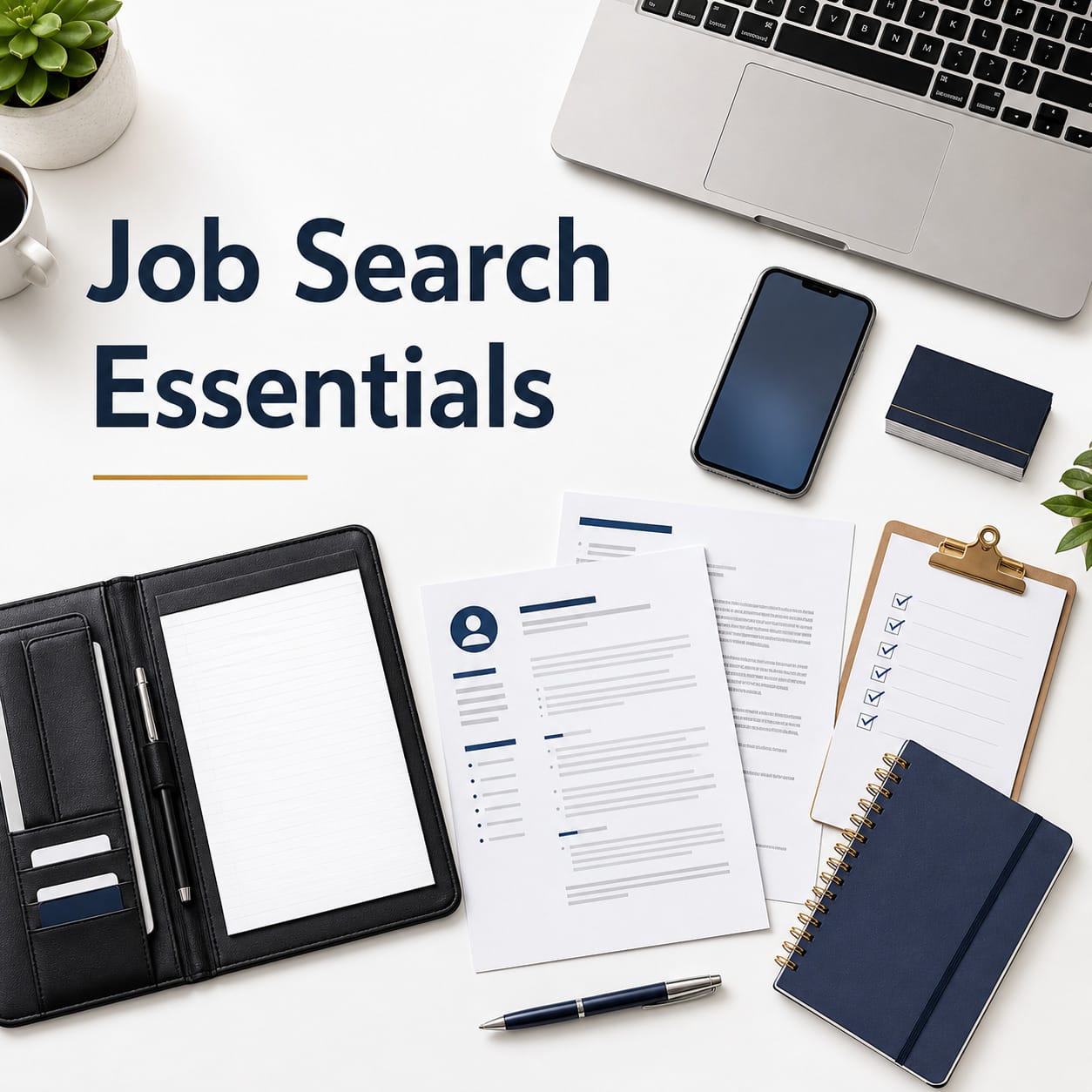
Job search essentials curated to help you prepare, stay organized, improve your resume, and approach interviews with more confidence.
Avoid Common Debt Mistakes
- Ignoring interest: Extra payments usually help most when directed toward principal on higher-interest debt.
- Refinancing too quickly: Lower rates can look attractive, but lost federal protections may cost more later.
- Skipping documentation: Keep records for payments, forgiveness applications, employer benefits, and tax forms.
- Waiting too long: Contact servicers early if payments become difficult, not after missed payments damage your options.
- Underusing career tools: Better income can come from negotiation, job searching, freelance work, or financial obligations planning.
Further Guidance & Tools
- Federal Loans: Use Federal Student Aid repayment plans to compare official federal repayment options before changing your loan strategy.
- Tax Deduction: Review IRS student loan interest guidance to understand deduction limits and eligibility rules.
- Career Outlook: Check the Occupational Outlook Handbook before borrowing more for a specific
career path . - Consumer Protection: Read CFPB student loan resources for borrower protections, repayment help, and complaint options.
- Credit Reports: Visit AnnualCreditReport.com to review credit reports that may affect refinancing and borrowing options.

Wireless Keyboard and Mouse Ultra Slim Combo, TopMate 2.4G Silent Compact USB 2400DPI Mouse and Scissor Switch Keyboard Set with Cover, Batteries Included, for PC/Laptop/Windows/Mac - Gray...
Next Steps
- List Loans: Write down every loan balance, rate, servicer, payment due date, and whether it is federal or private.
- Set Budget: Build a monthly plan that covers essentials, minimum payments, emergency savings, and realistic extra repayment.
- Review Options: Compare repayment plans, forgiveness eligibility, refinancing risks, tax benefits, and employer assistance before changing anything.
- Raise Income: Pursue better employment, freelance work, tutoring, or savings-focused rewards through savings habits.
- Track Progress: Review your plan monthly and adjust as income, interest rates, benefits, or career opportunities change.
Final Words
Managing college debt is not just a financial task; it is part of building a stable adult career. The right plan combines budgeting, smart repayment choices, income growth, careful borrowing, and steady attention to changing rules. If you treat debt management as a career strategy instead of a source of shame, you can protect your credit, reduce stress, and move closer to debt, Dealing with debt, the path to financial freedom, and a more manageable debt-free life.
Additional Resources
-
 Get Started Now
Track your account balances, transactions, investments, and credit. Manage your privacy and protect your identity for complete peace of mind.
We earn a commission if you click this link and make a purchase at no additional cost to you.
-

$15.99$9.69Learn MoreThis clear and simple guide provides tons of practical advice for keeping track of your finances. With useful tips on setting financial goals, reducing debt, finding ways to save money, and creating and following a budget plan, you’ll have your dollars and cents under control in no time.
We earn a commission if you click this link and make a purchase at no additional cost to you.
04/26/2026 04:02 pm GMT -

$19.00$11.52Learn MoreDrawing his own experiences as an entrepreneur and branding consultant, peeks behind-the scenes from the set of Shark Tank, and stories of dozens of other entrepreneurs who have hustled their way to wealth, John shows how we can all leverage the power of broke to phenomenal success.a
We earn a commission if you click this link and make a purchase at no additional cost to you.
03/04/2026 06:04 pm GMT -
$18.99Learn More
You Need A Budget’s proven method that has helped hundreds of thousands of people break the paycheck to paycheck cycle, get out of debt, and live the life they want to live.
We earn a commission if you click this link and make a purchase at no additional cost to you.
03/04/2026 06:04 pm GMT -
 $9.98Learn More
Expandable 13-pocket accordion file organizer keeps monthly paperwork, bills, receipts, taxes, and documents protected, labeled, easy to find, and portable.
We earn a commission if you click this link and make a purchase at no additional cost to you.
05/15/2026 06:39 pm GMT -
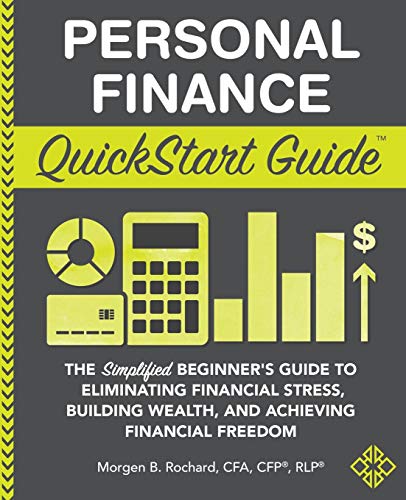
$24.99$14.91Learn MoreThe Simplified Beginner’s Guide to Eliminating Financial Stress, Building Wealth, and Achieving Financial Freedom (QuickStart Guides™ - Finance)
We earn a commission if you click this link and make a purchase at no additional cost to you.
03/04/2026 02:02 pm GMT -
 $11.99Learn More
DESIGNED FOR PERSONAL CASH BUDGET - New!! 24 Pcs Cash Envelopes for Budgeting, Cardstock Budget Envelope System for Tracking Money Savings, 12 Assorted Colors, Vertical Layout
We earn a commission if you click this link and make a purchase at no additional cost to you.
04/26/2026 05:05 pm GMT -
 Learn More
The dfree™ movement provides twelve easy, attainable steps to help you acknowledge your debt, create a plan, stay accountable, build wealth, and celebrate progress.
We earn a commission if you click this link and make a purchase at no additional cost to you.
-

$29.99$27.99Learn MoreFour-piece fireproof and water-resistant document bag set protects important papers, passports, cash, certificates, and valuables while staying lightweight, portable, and easy to grab in an emergency.
We earn a commission if you click this link and make a purchase at no additional cost to you.
05/15/2026 07:20 pm GMT -
 $9.99Learn More
Guide for Aspiring Entrepreneurs for Creating This Essential Component of Business Plans Using E-Spreadsheets such as Excel or Google Sheets
We earn a commission if you click this link and make a purchase at no additional cost to you.
03/04/2026 02:02 pm GMT -

$17.99$12.70Learn MoreA concise guide to landing an equity research role, covering key skills, industry expectations, and interview strategies for aspiring asset managers.
We earn a commission if you click this link and make a purchase at no additional cost to you.
03/04/2026 01:00 am GMT -
 $6.00Learn More
A practical guide that explores diverse and rewarding career paths available to finance majors, helping readers align their skills with roles in banking, investment, insurance, and beyond.
We earn a commission if you click this link and make a purchase at no additional cost to you.
04/26/2026 05:08 pm GMT -
 Learn More
Get paid for simple online activities you already do, including surveys, games, emails, shopping, and grocery rewards with InboxDollars.
We earn a commission if you click this link and make a purchase at no additional cost to you.

Mark Fiebert is a former finance executive who hired and managed dozens of professionals during his 30-plus-year career. He now shares expert job search, resume, and career advice on CareerAlley.com.